
States Where EV Insurance Is Closest to Gas-Powered Vehicle Costs
 https://climate-crisis-247-bucket.nyc3.cdn.digitaloceanspaces.com/wp-content/uploads/2025/08/07204555/mcqi3mljc4e-150x150.jpg
The price of an electric vehicle is about to rise substantially in the United States. Since President Biden signed the Inflation Reduction Act into law three years ago, Americans buying a new EV have been able to claim up to $7,500 in federal tax credits on their purchase. However, due to a new law passed under the current Trump administration, these benefits are now set to expire on September 30, 2025.
The Trump-era policy reversal will make buying an EV considerably more expensive, which could be a major deterrent for millions of Americans, as – in at least one way – EVs are already also more expensive to own than traditional gas-powered vehicles. According to a new report from Insurify, an insurance cost analysis company, EV drivers make an average of $4,058 in auto insurance payments annually, compared to an average of $2,732 for Americans driving internal combustion engine (ICE) vehicles.
The 49% price gap between EVs and ICE vehicles is, according to the report, attributable to several factors. For one, EVs tend to take longer to repair, leading to higher labor costs. Replacement parts for EVs are also not as widely available as those for many gas-powered vehicles – and some critical EV components, like the batteries that power them, are particularly expensive.
Still, even though average insurance prices for EVs are higher than they are for ICE vehicles in the United States, in some parts of the country, the price gap is far less pronounced than it is on average nationwide.
Using data from Insurify, Climate Crisis 247 identified the states where EV insurance costs are most closely in line with what ICE vehicle owners are paying. States are ranked on the relative difference in average annual insurance costs between EVs and traditional ICE vehicles. Among the five states on this list, the average EV owner is paying anywhere from about 15% to 37% more than the average ICE vehicle owner.
According to Insurify, state-level variations in average insurance payments for EV owners are due to several factors. Environmental and social considerations, like potential exposure to natural disasters or high crime rates, can drive up insurance costs for all drivers. Additionally, in states where EV adoption has been slower, insurers have less experience in estimating how much a given claim will cost, and as a result, they often charge higher prices for EV owners to reduce risk to the company. Conversely, in states where EV ownership is relatively widespread, insurance costs tend to be lower.
5. Arizona

- EV versus comparable gas-vehicle insurance costs: 37.0% more expensive (+$822)
- Average annual EV insurance cost: $3,043
- Average annual gas-vehicle insurance cost: $2,221
4. Illinois
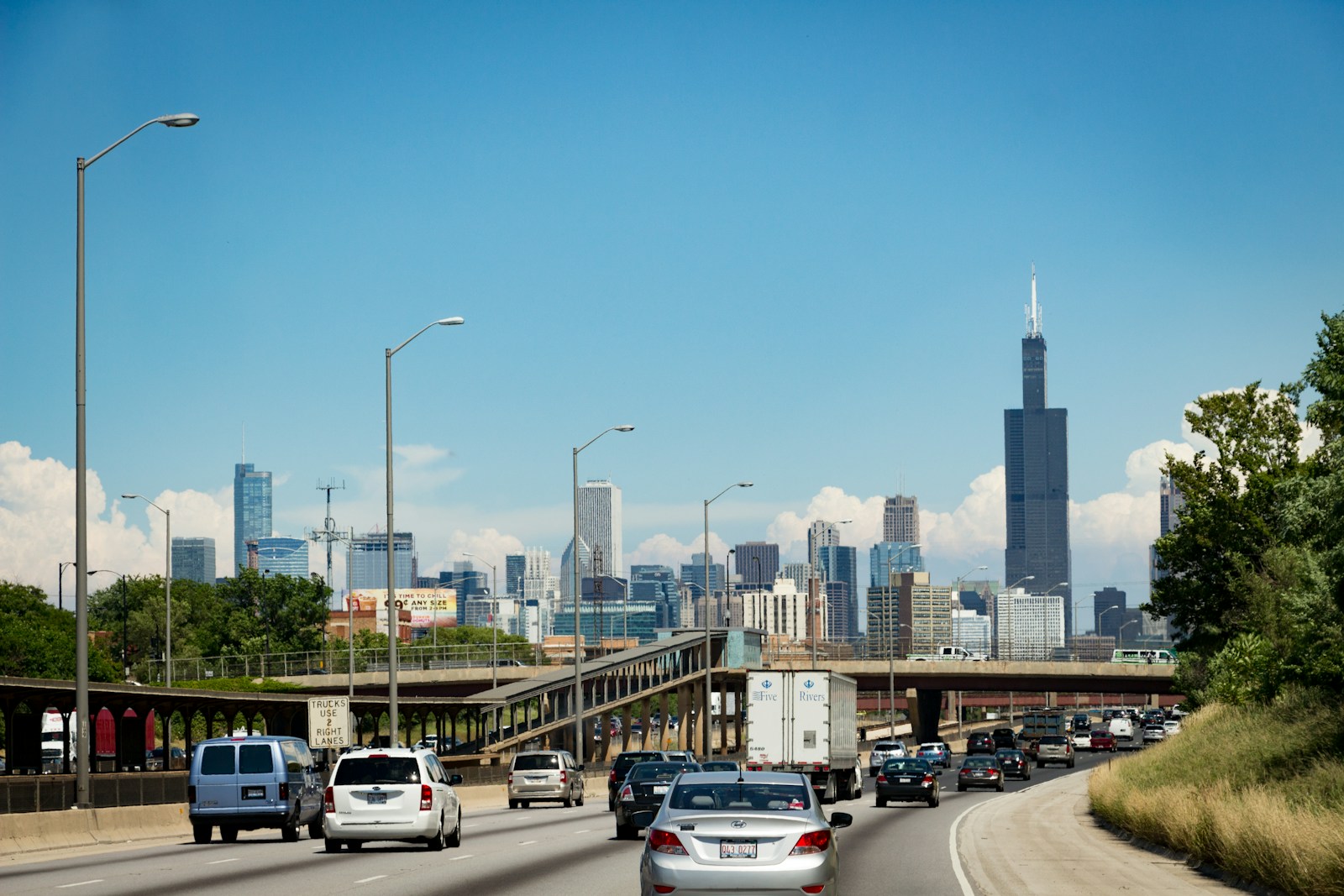
- EV versus comparable gas-vehicle insurance costs: 36.6% more expensive (+$895)
- Average annual EV insurance cost: $3,342
- Average annual gas-vehicle insurance cost: $2,447
3. Maryland

- EV versus comparable gas-vehicle insurance costs: 34.8% more expensive (+$1,587)
- Average annual EV insurance cost: $6,142
- Average annual gas-vehicle insurance cost: $4,555
2. California

- EV versus comparable gas-vehicle insurance costs: 30.9% more expensive (+$903)
- Average annual EV insurance cost: $3,827
- Average annual gas-vehicle insurance cost: $2,924
1. New Jersey

- EV versus comparable gas-vehicle insurance costs: 15.1% more expensive (+$468)
- Average annual EV insurance cost: $3,563
- Average annual gas-vehicle insurance cost: $3,095