These Are America’s Safest EVs
You’ve probably heard of the IIHS, which stands for Insurance Institute for Highway Safety. They’re the folks who keep tabs on America’s safest cars. They break things down by category based on engine size and what kind of vehicle it is – sedan, SUV, crossover, that sort of thing.
They’re an independent organization that crashes cars on purpose to see how well they protect the people inside. And only a handful of vehicles earn their Top Safety Pick+ award. To get it, cars need to ace a bunch of different tests – everything from overlap crashes to side impacts, plus they check headlights, front crash protection, pedestrian collisions, safety belts, and child seat latches.
Here’s How They Test These Cars:
| Test | What They Do | Why It Matters |
| Driver-side small overlap front | Slam just 25% of the front left corner into something at 40 mph | Shows how the car holds up when you hit something head-on at an angle (think hitting a pole or tree) |
| Passenger-side small overlap front | Same thing, just on the right side | Same deal – gotta protect passengers too |
| Moderate overlap front | Hit 40% of the front at 40 mph (they even look at back-seat passengers) | This is actually the most common type of front crash |
| Side crash | A heavy moving barrier smacks into the side at 31 mph | Like getting T-boned at an intersection – ouch |
| Roof strength | Push down on the roof to see how much it can take before collapsing | Important for rollovers |
| Head restraints & seats | Check how well seats prevent whiplash in rear-end crashes | Neck injuries happen even in fender benders |
The IIHS also tests automatic emergency braking (AEB) two ways:
Car-to-car: How does it handle approaching a stopped or slow-moving car at 12 mph and 25 mph?
Car-to-pedestrian: Day and night scenarios with dummies walking or standing in the road
They test the headlights too, measuring how far the low beams and high beams actually reach and whether they’re blinding oncoming drivers with too much glare.
Testers check how easy, or frustrating, it is to install a child seat using the latch anchors. Because if you’re a parent, you know this matters.
What Do These Awards Actually Mean?
Top Safety Pick+ (the big one):
- Aces all crash tests
- Superior or Advanced crash prevention (works day and night for pedestrians)
- Good or Acceptable headlights on every trim level
- Good or Acceptable latch system
Top Safety Pick: Same standards, but headlights or crash prevention can be one notch lower
Special Considerations for EVs
Since electric cars have those big batteries underneath, the IIHS added some extra tests:
- What happens to the underbody battery area during a crash?
- Does the car catch fire, leak, or create an electrical shock risk?
EVs have to pass these battery-specific tests to earn the Top Safety Pick+ award.
And the Winners Are…
| Model | Type | What Makes It Stand Out | Starting Price |
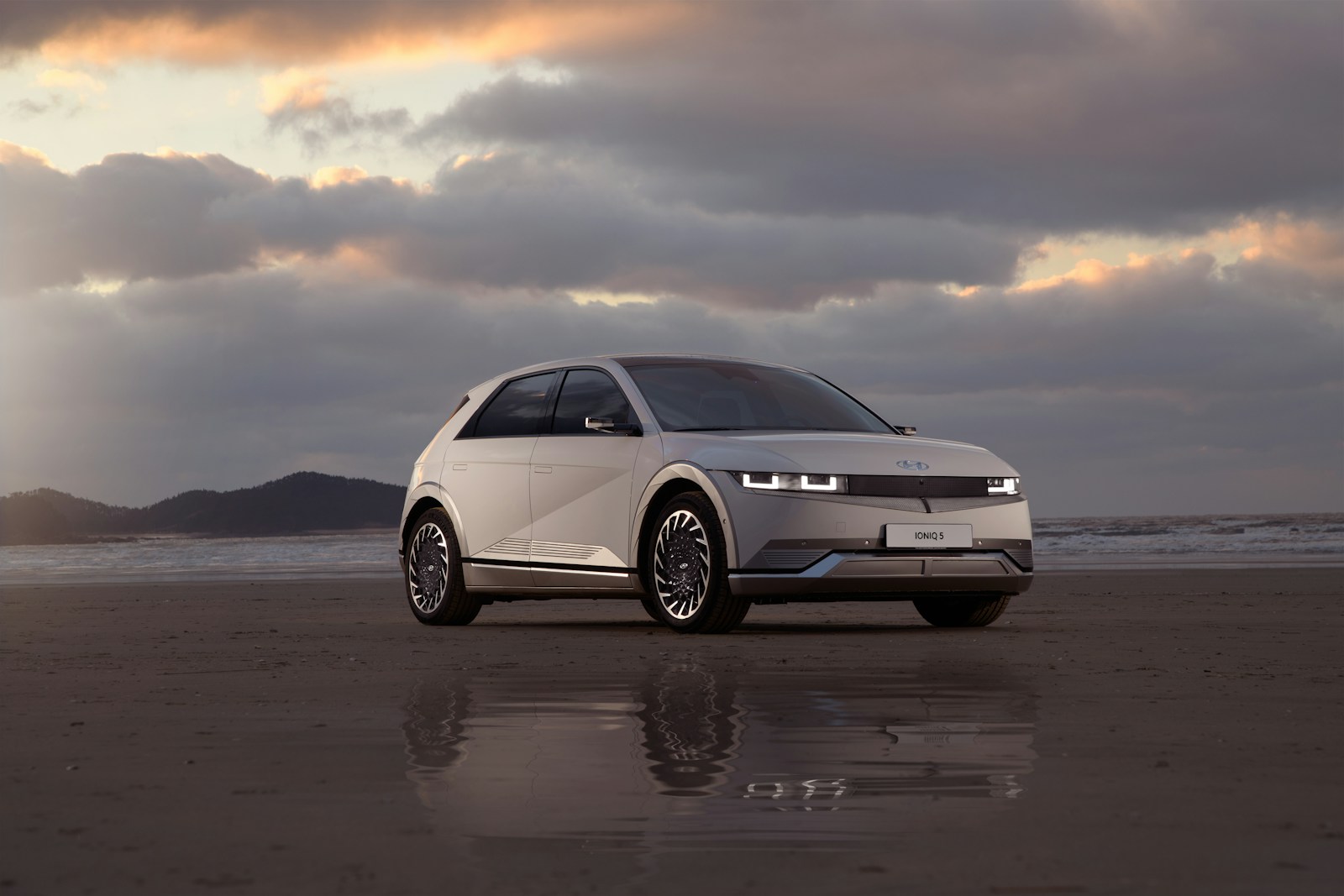
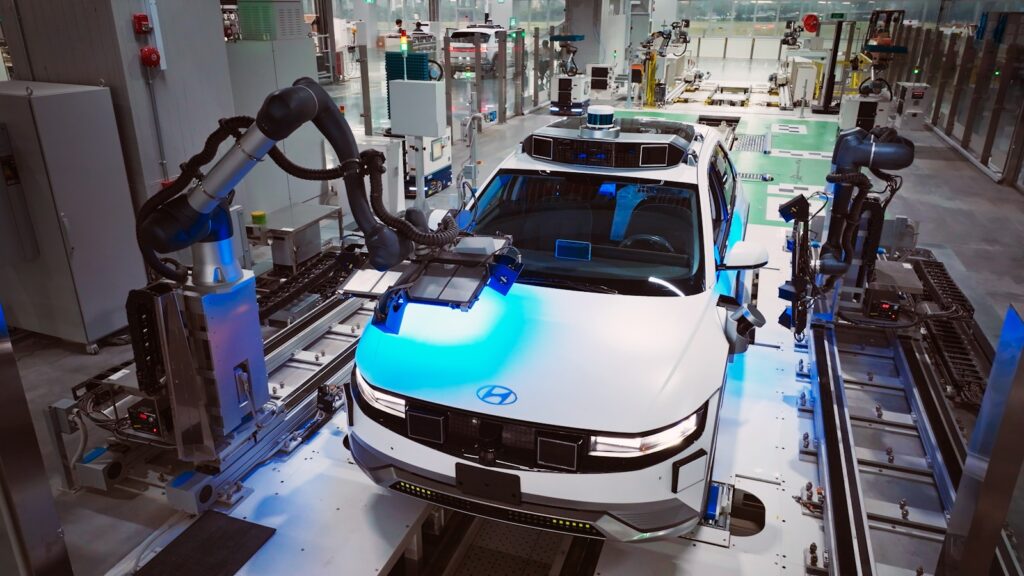
| Hyundai Ioniq 5 | Compact SUV | Nails all crash tests; great at detecting pedestrians | $42,500 |
| Hyundai Ioniq 6 | Sedan | Excellent protection in small overlap and side hits; killer headlights | $37,750 |
| Tesla Model Y | Midsize SUV | Fifth year in a row winning TSP+; top scores in the updated moderate overlap test | $46,880 |
| Ford Mustang Mach-E | Midsize SUV | Really protects rear passengers well; solid front crash prevention | $36,495 |
| Kia EV9 | Large SUV | Stepped up from 2024; great protection even in the third row | $54,900 |
| Genesis Electrified GV70 | Midsize Luxury SUV | Kept its TSP+ status; excellent at avoiding other vehicles | $66,950 |
| Rivian R1S | Large SUV | Solid performance in side and overlap tests; smart adaptive headlights | $75,900 |
| Subaru Solterra | Compact SUV | Third year winning TSP+; acceptable pedestrian crash prevention | $38,495 |
| Audi Q6 e-tron | Midsize Luxury SUV | Brand new for 2025; aced those new battery protection tests | $63,800 |
More from ClimateCrisis 247
- Cities That Hit or Topped 100 Degrees for the First Time Ever
- Your gas car works fine. Consider an EV anyway, scientists say
- 15 Million People are Under Extreme Heat Warnings This Weekend
- AI Applications for Oil and Gas Companies Worsen Climate Pollution