These Areas are the Biggest Blackout Risks in The American Electricity Grid
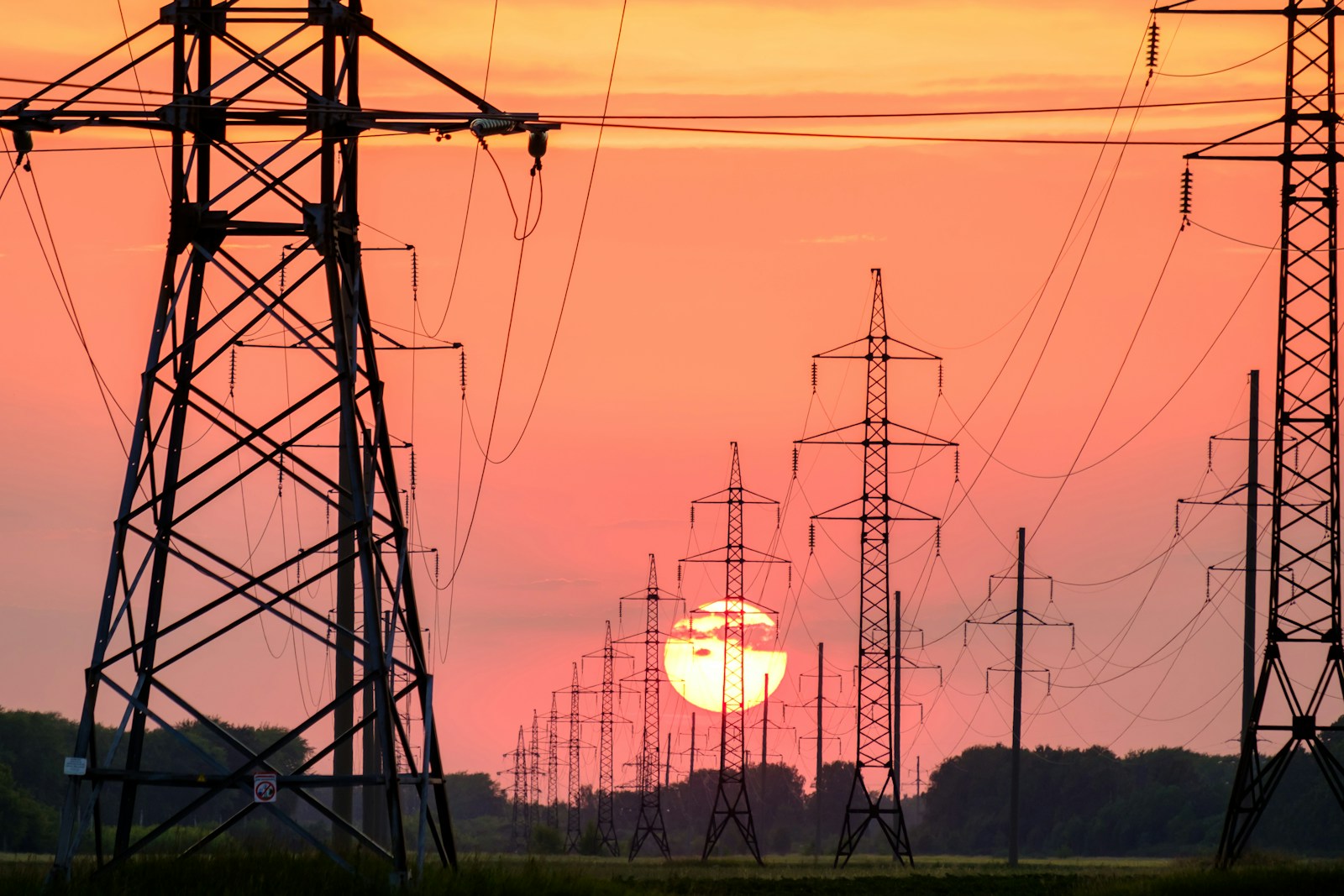
For decades, concerns have mounted about the durability, security, and safety of the American electricity grid. The system is actually composed of several interconnected grids, with some regions significantly larger than others.
The greatest fear surrounding electrical grids is widespread blackouts. The largest in recent history occurred on August 12, 2003, when a massive outage cut power to 50 million people across New York City and far beyond. Electricity lines and a power station as far away as Ohio were blamed for the cascade failure. An earlier blackout in June 1977 kept New York City dark for two days, during which criminal activity spiked. That outage was attributed to a lightning strike on a power station.
Some recent blackouts and brownouts are deliberate. In California especially, utilities cut power to certain areas during peak wildfire periods, as downed power lines are among the major causes of these blazes. This practice has spread as far east as the Rocky Mountains.
Climatecrisis247 identified the weakest areas of the U.S. electricity grid as of early this year by analyzing reports from the North American Electric Reliability Corporation (NERC), US Department of Energy’s Report on Evaluating U.S. Grid Reliability and Security, Ecoflow, Generac, and other sources. These analyses identify regions facing the highest risks of energy shortfalls, blackouts, or reliability issues.
Many of these risks stem from:
- Rising demand (AI data centers, electrification, electric vehicles, and air conditioning)
- Retirement of “dispatchable” generation (primarily coal plants)
- Slow addition of new capacity
- Transmission bottlenecks
- Extreme weather vulnerability
- Slowing growth of renewables
- Sabotage threats from individuals or nation-states (an often overlooked risk)
Rather than a single vulnerable location, high risks are concentrated in several regions, particularly during extreme conditions such as heat waves and severe cold periods.
A recent report from the Union of Concerned Scientists (UCS) emphasized the scope of the problem: “States, utilities and regional transmission organizations must go beyond reacting to extreme weather as one-off disasters and instead plan for and adapt to changing climate and weather patterns to build a more resilient grid.”
Highest Risk Regions by Grid Operator
1. MISO (Midcontinent Independent System Operator)
Coverage: Much of the Midwest (Illinois, Indiana, Michigan, Minnesota, Wisconsin)
Risk Level: High
MISO is frequently flagged as the highest-risk region due to coal and gas plant retirements outpacing replacement capacity, inadequate reserves, and vulnerability to extreme weather. NERC and UCS reports highlight frequent extreme-weather outages and “high” shortfall risks, with Reuters noting potential issues starting as early as 2025–2026.
Key Triggers: Summer heat waves, winter cold snaps, low wind/solar output
2. ERCOT (Electric Reliability Council of Texas)
Coverage: Texas
Risk Level: High
ERCOT faces elevated risk from surging demand (driven by data centers and population growth) that is outpacing dispatchable resources. Evening risks remain particularly high when solar generation fades, though winterization improvements following the 2021 storm have provided some relief. The explosive demand growth makes the system vulnerable whenever wind and solar underperform.
Key Triggers: Summer peaks, winter storms (like 2021’s Winter Storm Uri), low wind generation
3. PJM Interconnection
Coverage: Mid-Atlantic/Northeast (Pennsylvania, New Jersey, Maryland, Virginia, Ohio)
Risk Level: Elevated to High
PJM faces elevated risk from 2026 onward, driven by explosive demand growth from data centers in Northern Virginia’s “Data Center Alley,” retiring capacity not being replaced quickly enough, and tight reserves. Recent capacity auctions showed record-high prices and shortfalls (approximately 6.6 GW below target in late 2025), signaling potential blackouts without backstop measures.
Key Triggers: Extreme heat, winter gas shortages, rapid demand spikes
4. SPP (Southwest Power Pool)
Coverage: Central Plains/South (Oklahoma, Kansas, and parts of other states)
Risk Level: Elevated
SPP faces elevated risk from heavy reliance on wind generation, natural gas constraints during extreme weather events, and retiring coal plants.
Key Triggers: Low wind periods, extreme weather
Summary Table: Blackout Risk Rankings (2026–2030)
| Rank | Region/Grid Operator | Primary Risk Factors | Likelihood | Key Triggers |
|---|---|---|---|---|
| 1 | MISO (IL, IN, MI, MN, WI) | Coal/gas retirements outpacing replacements, low reserves, high demand growth, extreme weather | High | Summer heat waves, winter cold snaps, low wind/solar |
| 2 | ERCOT (TX) | Explosive demand, evening solar drop-off, gas supply constraints | High | Summer peaks, winter storms, low wind |
| 3 | PJM (PA, NJ, MD, VA, OH) | Data center load growth, retiring capacity, tight reserves, interconnection delays | Elevated to High | Extreme heat, winter gas shortages, demand spikes |
| 4 | SPP (OK, KS) | Heavy wind reliance, gas constraints, retiring coal | Elevated | Low wind periods, extreme weather |
| 5 | ISO-NE (New England) | Winter gas pipeline limits, retiring coal/oil | Elevated (winter) | Prolonged cold snaps |
| 6 | CAISO (CA) | Heat wave demand, EVs, wildfires, solar duck curve | Moderate to Elevated | Summer heat, wildfires, evening ramps |
| 7 | SERC (Southeast) | Coal retirements, growing demand | Moderate | Extreme heat, hurricanes |
More from ClimateCrisis 247
- Trump Won These States in 2024 — Now Their Voters Want More Climate Action
- US Cities Where Extreme Heat is Causing The Most Sleep Loss
- The 10 US Cities With Most Rain In The 21st Century
- The Worst Years For US Wildfires In The 21st Century