The 10 Worst EVs For Winter
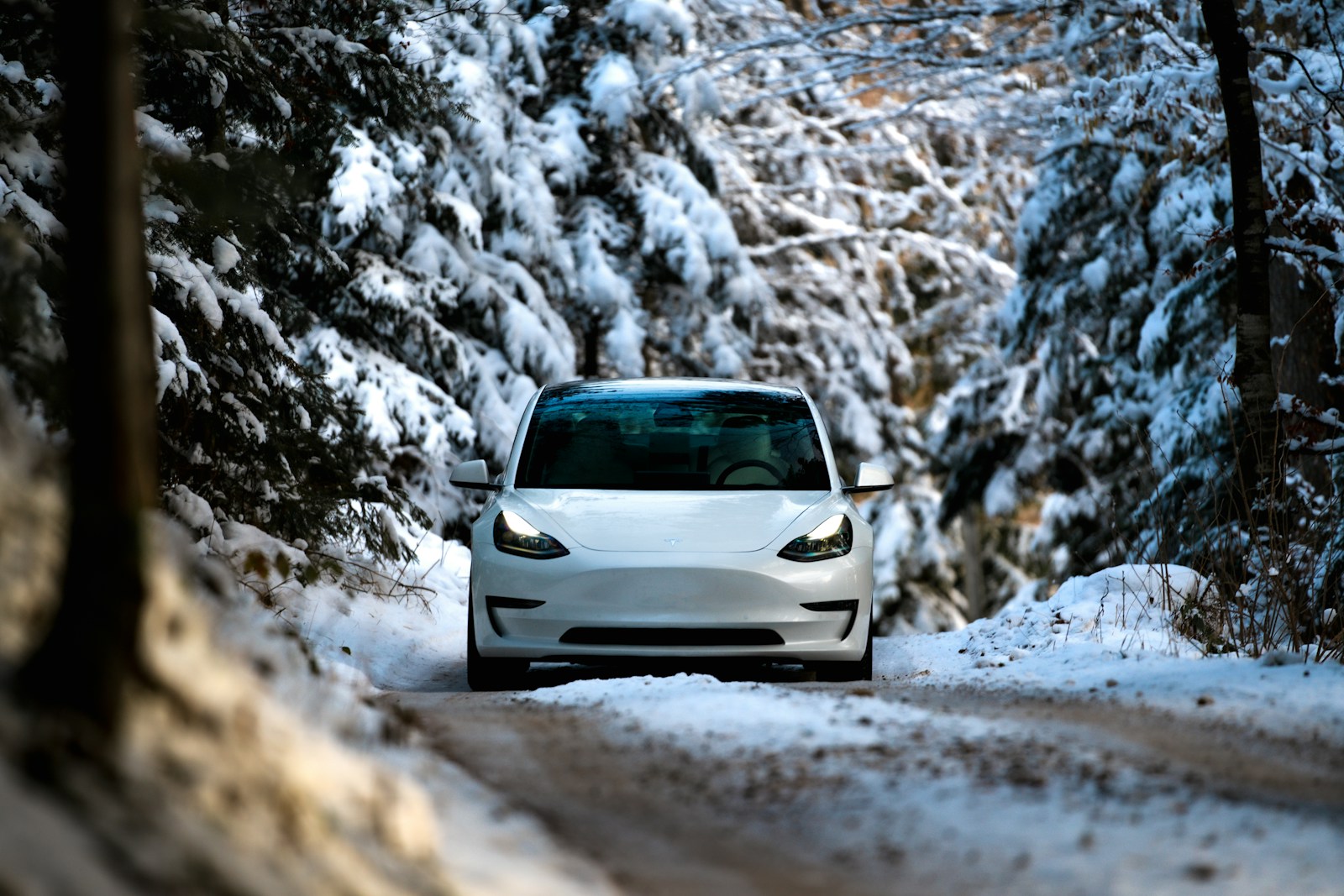
There are several reasons people don’t own EVs in the US. One major factor is cost. The average price of a new gas-powered car is about $50,000, while EVs average $8,000 higher, according to Kelley Blue Book.
Another issue is charging infrastructure, particularly public charging stations. While many people charge their cars at home, public charging stations are necessary for long trips. These stations often have high charging costs and can be overcrowded. Additionally, not all charging stations are compatible with all EVs. As Teison points out, “Many public charging stations are located in inconvenient places. They might be in the back of a parking lot, far away from stores or restaurants, or in areas that are not well-lit or safe.”
Range anxiety is another concern. The typical range of an EV is less than 300 miles. As the National Grid explains, “Simply put, range anxiety is the fear that an electric vehicle will not have enough battery charge to reach its destination, leaving its occupants stranded.”
Range issues are significantly worse in the northern states. One lesser-known drawback of EV ownership is that cold weather drastically reduces battery charging capacity. A Recurrent test shows that for some EVs, total charge capacity drops to only 70% of maximum when temperatures fall below 20 degrees Fahrenheit. The worst example is the Chevy Blazer EV, which holds only 57% of its charge below 20 degrees. The BMW i3 retains just 63%. The organization reports, “However, winter range is something that should be considered for road trips, where highway speeds will reduce range further and drivers must rely on public networks while away from the comforts of home charging.”
Data from eCarsTrade shows that many EVs with cold-weather charging problems are niche vehicles. This includes the Porsche Taycan, the German automaker’s EV flagship, which costs up to $150,000. Porsche sold only 4,142 units last year.
Three best-selling EVs also make the list: the Tesla Model 3 (sedan), Model Y (crossover), and Model X (SUV). The Model Y led all new EV sales in the US last year with 357,528 units sold. The Model 3 ranked second with 189,903 sales.
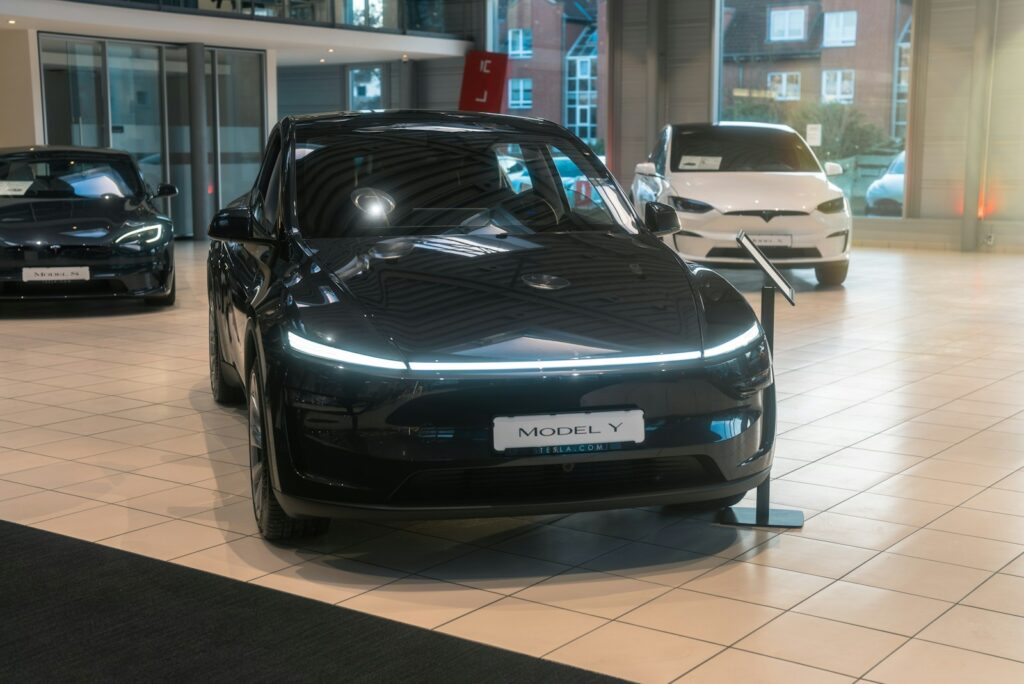
EV sales overall struggled last year, primarily due to the elimination of the $7,500 tax credit for EV buyers. When this credit ended on September 30, the percentage of new car sales that were EVs appears to have dropped from 7% before that date to about 4% in the fourth quarter.
Industry experts say the cold-weather range issue will eventually be resolved.
Winter Range Loss by EV Model
| EV Model | Winter Range Loss (%) |
|---|---|
| Audi e-tron | 14.5 |
| Tesla Model Y | 15 |
| Tesla Model X | 15 |
| BMW iX | 17 |
| Tesla Model 3 | 17 |
| BMW i4 | 18 |
| Rivian R1T | 19 |
| Porsche Taycan | 22.5 |
| Ford Mustang Mach-E | 30 |
| Volkswagen ID.4 | 37 |
More from ClimateCrisis 247
- The Fish, Birds, and Mussels America Just Lost for Good
- Tornado Season Looks Different Now: Is Your State on the List?
- The Least Reliable Electric Vehicles, According to Consumer Reports
- At the Wall of Wind, engineers blow homes apart to learn how to save them