Best Selling EVs That Aren’t A Tesla
Two important things have happened to EV sales in the US this year.
First, EV sales fell 24%, or by 463,625 units, in the first half of the year, according to Cox Automotive. Most analysts attribute the decline to the expiration of the $7,500 tax credit on most EVs, which ended on September 30.
Beyond the tax credit, EV adoption in the US remains far lower than in China and parts of Europe because of consumer concerns about range and charging infrastructure. The average range of an EV on a single charge is still only about 300 miles, and outside large cities, public charging stations are often hard to find and frequently have customers waiting. Recharging a battery to 80% capacity typically takes 20 minutes to an hour.
The second development is that many of America’s largest automakers, along with several large overseas car companies, have dropped out of the EV market, taking tens of billions of dollars in write-offs. Many had made these investments partly based on the Biden administration’s goal that 50% of new car sales in 2030 would be zero-emission vehicles, defined as “battery electric, plug-in hybrid electric, or fuel cell electric vehicles.”
Ford’s investment in EVs is the best example of how a large fossil-fuel automaker tried to capture market share, particularly from longtime leader Tesla. Ford committed $30 billion, with the initial stage built around two vehicles: the F-150 Lightning, an EV version of its popular full-size pickup, and the Mustang Mach-E, an EV crossover named after the iconic gas-powered Mustang sports car. Ford did all it could to leverage its brands, but last year it dropped out of the EV market.
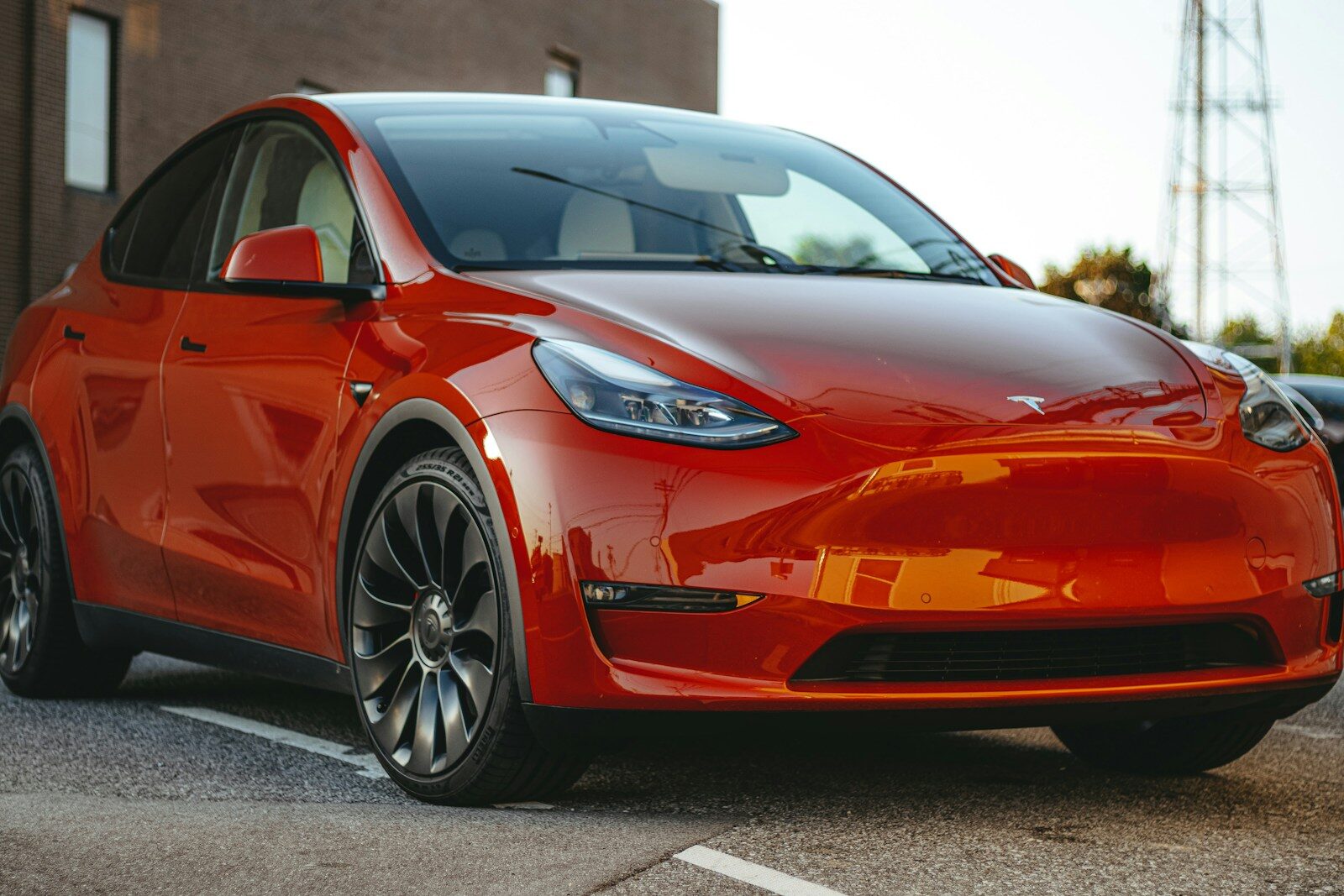
That left one clear place to gain market share. Tesla held more than 70% of the US EV market in 2020, a share that slowly eroded to 49% by 2024. Some analysts attribute the decline to Tesla CEO Elon Musk’s relationship with President Trump and his plans to cut hundreds of thousands of federal jobs.
In the first half of 2026, Tesla’s US EV market share rose to 55%, according to Yahoo. About a third of all EV sales are Tesla Model Y SUVs, and just over 5% are Tesla Model 3 sedans.
Several of the world’s largest fossil-fuel automakers have found only modest success, still trailing those two Tesla models. Yet because of the success companies like Hyundai, Toyota, Lexus, and Honda have had with EVs outside the US, they continue pushing into the US market, betting that their investment will eventually pay off.
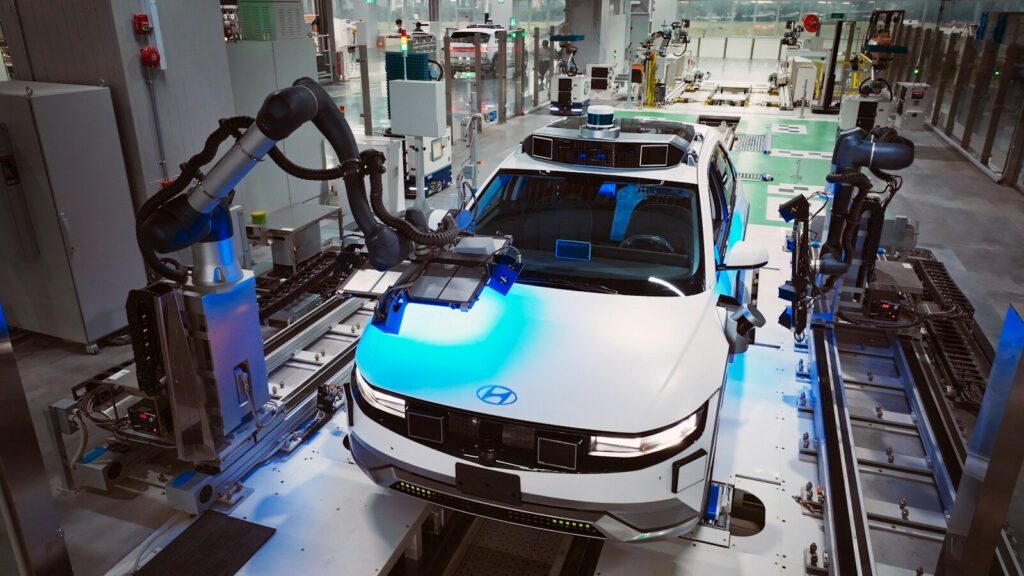
The Hyundai IONIQ 5 has been especially successful in the US, with the SUV starting at a base price of $35,000. One common criticism of EVs is their price: the average new EV costs about 10% more than a comparable gas-powered car.
The list of top-selling EVs is an odd mix, including the now-discontinued Mach-E, the IONIQ 5, and the $100,000 Rivian R1S SUV.
Here is the first-half 2026 US EV leaderboard, excluding Tesla:
| Rank | Model | H1 2026 Sales | YoY Change |
|---|---|---|---|
| 1 | Hyundai IONIQ 5 | 20,730 | +4% |
| 2 | Toyota bZ | 17,533 | +90% |
| 3 | Chevrolet Equinox EV | 16,249 | -41% |
| 4 | Rivian R1S | 11,677 | — |
| 5 | Ford Mustang Mach-E | 11,632 | — |
| 6 | Honda Prologue | 8,407 | -49% |
| 7 | Lexus RZ | 7,814 | +107% |
| 8 | Cadillac Lyriq | 7,578 | -19% |
More from ClimateCrisis 247
- Breached Earth Boundaries Raise Risk of ‘Irreversible Change’
- Despite Trump, These Are The States Moving Away from Coal This Year
- By 2100, How High Will Summer Heat Get in America’s Largest Cities?
- Countries with The Highest Gas Prices, Some over 2x the US