Climate Denial in America’s Fastest Warming Congressional Districts
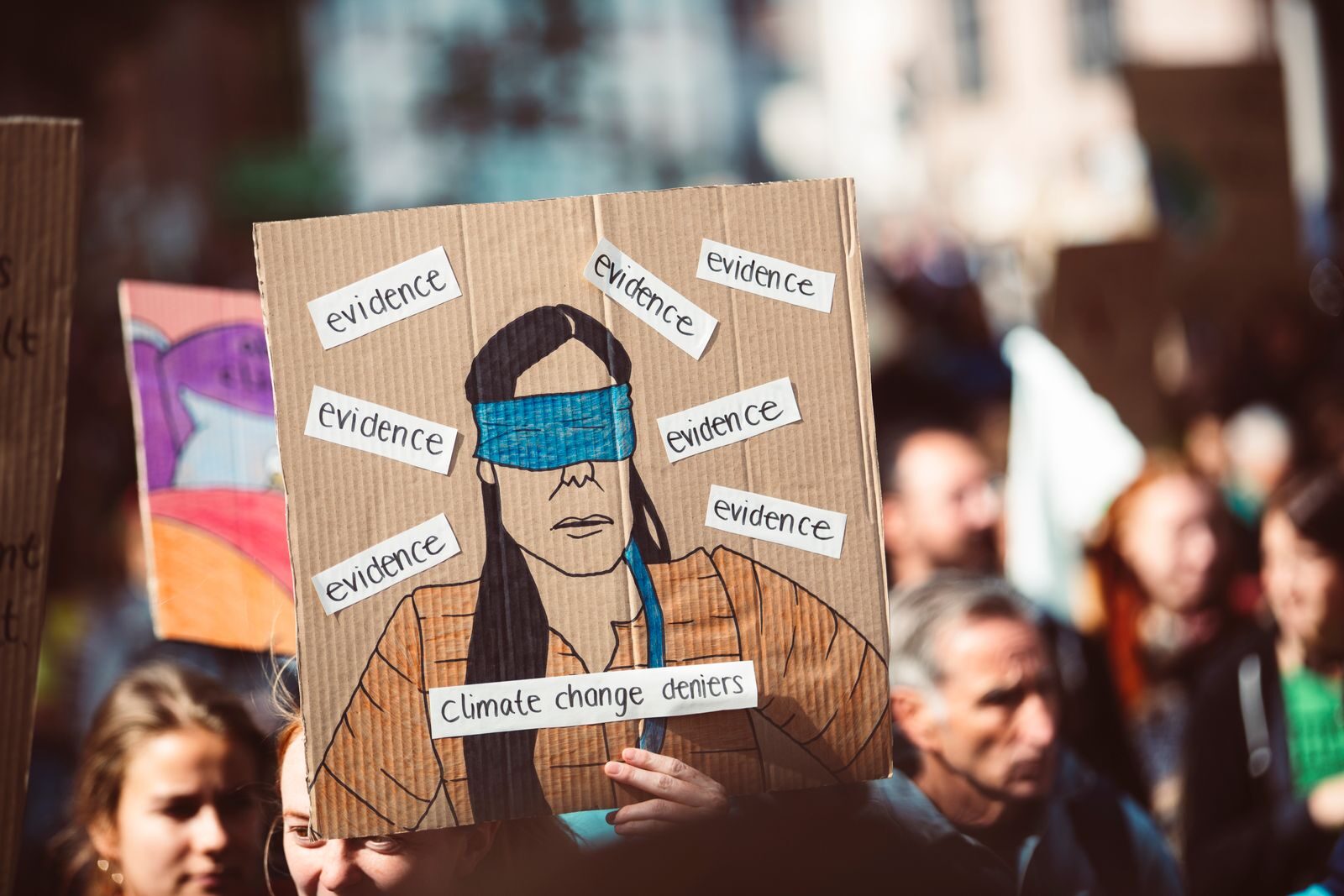
Earth’s atmosphere is warming at an unprecedented rate. Each of the last 11 years now rank as the hottest 11 years on record, and according to researchers at NASA, global temperatures are rising 10 times faster than they would have at similar points in any previous climate cycle within the last 800,000 years. Yet, despite tangible and indisputable facts, millions of Americans deny the global warming phenomenon.
According to a survey conducted by the Yale Program on Climate Change Communication, nearly 15% of adults in the U.S. do not think global warming is happening. Additionally, an estimated 53.2% of Americans do not feel they have personally experienced the effects of global warming.
These numbers do not square with the climatological reality borne out by the data. According to the National Oceanic and Atmospheric Administration, July 2026 now stands as the hottest month in U.S. history; and so far, 2026 is on pace to rank as the hottest year on record in the Continental United States. Even in the corners of the country where temperatures are rising fastest, global warming is being met with a widespread lack of recognition, and even outright denial.
Using data from Climate Central, a non-profit research and advocacy group, Climate Crisis 247 identified rates of climate denial in America’s fastest warming congressional districts. We ranked all congressional districts with available data from Climate Central on the observed change in average temperatures between 1970 and 2025. For each of the 10 fastest warming congressional districts, we reviewed YPCCC polling data on the share of residents who do not think global warming is happening, and the share who do not think they have personally experienced global warming. The YPCCC bears no responsibility for the analyses or interpretations of the data presented here.
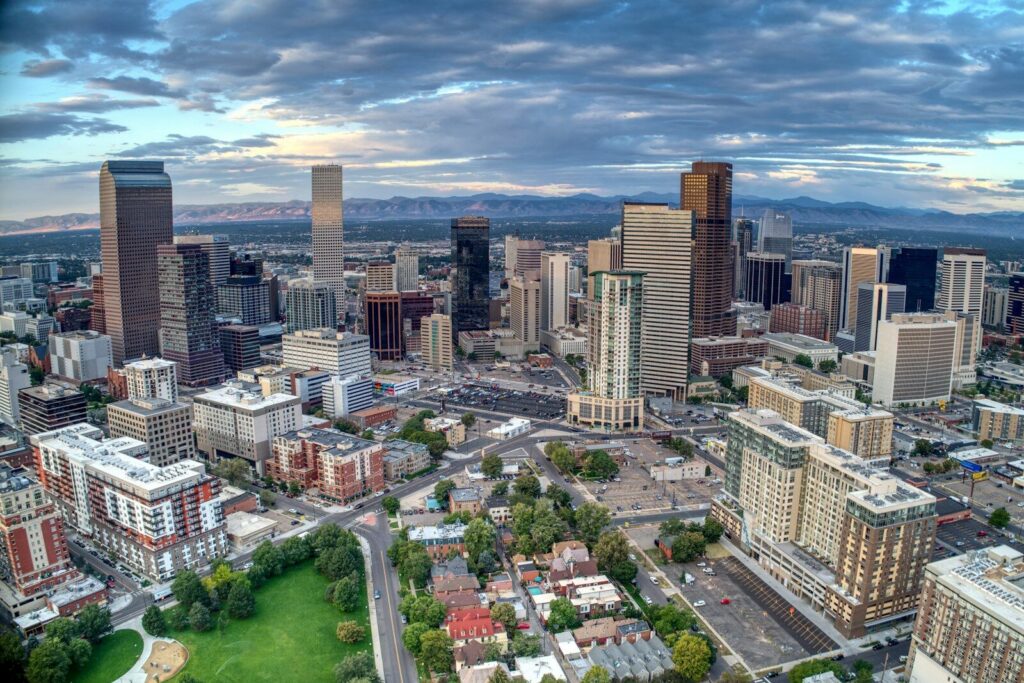
10. Colorado; Congressional District 3
- Observed warming in district, 1970-2025: +4.1°F (76% due to climate change)
- Estimated warming absent human-caused climate change: +1.0°F
- Residents who do not think global warming is happening: 17.0%
- Residents who somewhat or strongly disagree they have personally experienced global warming: 56.3%
- Congressional representative: Rep. Jeff Hurd (R)
9. New Mexico; Congressional District 1
- Observed warming in district, 1970-2025: +4.1°F (72% due to climate change)
- Estimated warming absent human-caused climate change: +1.1°F
- Residents who do not think global warming is happening: 12.1%
- Residents who somewhat or strongly disagree they have personally experienced global warming: 48.7%
- Congressional representative: Rep. Melanie Ann Stansbury (D)
8. Texas; Congressional District 23
- Observed warming in district, 1970-2025: +4.3°F (63% due to climate change)
- Estimated warming absent human-caused climate change: +1.6°F
- Residents who do not think global warming is happening: 14.4%
- Residents who somewhat or strongly disagree they have personally experienced global warming: 52.1%
- Congressional representative: Rep. Vacant
7. Utah; Congressional District 3
- Observed warming in district, 1970-2025: +4.4°F (77% due to climate change)
- Estimated warming absent human-caused climate change: +1.0°F
- Residents who do not think global warming is happening: 17.4%
- Residents who somewhat or strongly disagree they have personally experienced global warming: 56.9%
- Congressional representative: Rep. Mike Kennedy (R)
6. Arizona; Congressional District 2
- Observed warming in district, 1970-2025: +4.6°F (80% due to climate change)
- Estimated warming absent human-caused climate change: +0.9°F
- Residents who do not think global warming is happening: 17.1%
- Residents who somewhat or strongly disagree they have personally experienced global warming: 55.2%
- Congressional representative: Rep. Eli Crane (R)
5. Arizona; Congressional District 1
- Observed warming in district, 1970-2025: +4.7°F (78% due to climate change)
- Estimated warming absent human-caused climate change: +1.0°F
- Residents who do not think global warming is happening: 14.0%
- Residents who somewhat or strongly disagree they have personally experienced global warming: 50.1%
- Congressional representative: Rep. David Schweikert (R)
4. Texas; Congressional District 16
- Observed warming in district, 1970-2025: +4.8°F (67% due to climate change)
- Estimated warming absent human-caused climate change: +1.6°F
- Residents who do not think global warming is happening: 11.4%
- Residents who somewhat or strongly disagree they have personally experienced global warming: 48.4%
- Congressional representative: Rep. Veronica Escobar (D)
3. New Mexico; Congressional District 2
- Observed warming in district, 1970-2025: +4.8°F (69% due to climate change)
- Estimated warming absent human-caused climate change: +1.5°F
- Residents who do not think global warming is happening: 13.7%
- Residents who somewhat or strongly disagree they have personally experienced global warming: 52.6%
- Congressional representative: Rep. Gabriel Vasquez (D)
2. Utah; Congressional District 1
- Observed warming in district, 1970-2025: +4.8°F (71% due to climate change)
- Estimated warming absent human-caused climate change: +1.4°F
- Residents who do not think global warming is happening: 18.4%
- Residents who somewhat or strongly disagree they have personally experienced global warming: 58.5%
- Congressional representative: Rep. Blake Moore (R)
1. Arizona; Congressional District 6
- Observed warming in district, 1970-2025: +5.1°F (70% due to climate change)
- Estimated warming absent human-caused climate change: +1.5°F
- Residents who do not think global warming is happening: 15.4%
- Residents who somewhat or strongly disagree they have personally experienced global warming: 52.7%
- Congressional representative: Rep. Juan Ciscomani (R)
More from ClimateCrisis 247
- Congressional Candidates With the Strongest Environmental Records
- Fastest Warming Congressional Districts Where Politician is Funded by Fossil Fuel Industry
- America’s Best And Worst Cities To Own An EV
- Climate Change Is Increasing Simultaneous Exposure to Heat Waves and Wildfire Smoke