Hurricane Season Ends In Three Weeks. Why Was It Quieter than Normal?
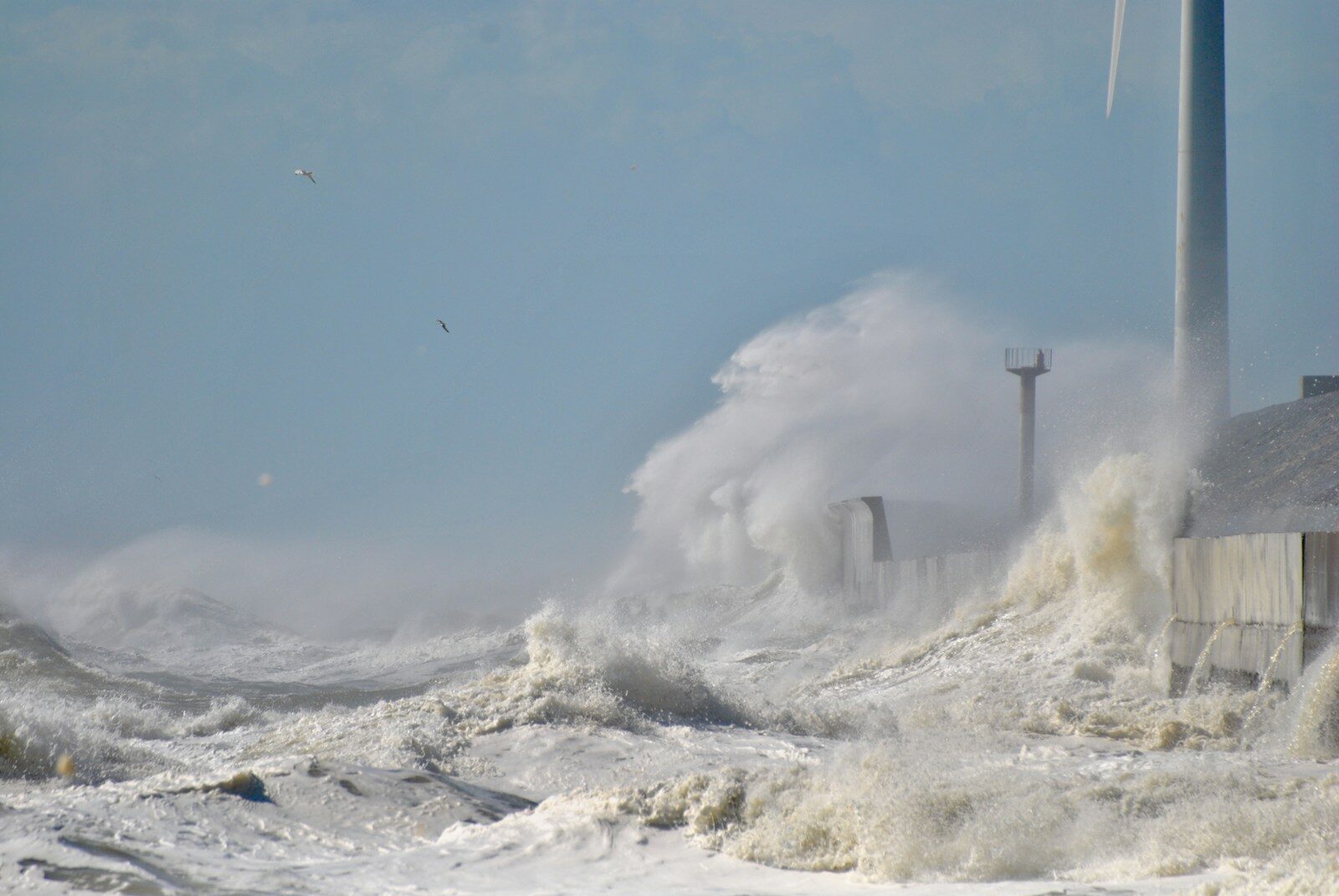
In May, NOAA forecast a “below normal” 2026 hurricane season, which runs from June 1 to November 30. The agency predicted “a total of 8-14 named storms (winds of 39 mph or higher). Of those, 3-6 are forecast to become hurricanes (winds of 74 mph or higher), including 1-3 major hurricanes (category 3, 4 or 5 with winds of 111 mph or higher).”
The forecast was wrong. The season was quieter than even that prediction suggested. With three weeks to go, there have been ten named storms and just one hurricane, and none did much damage.
The leading theory for the lack of large storms is El Niño, which has pushed weather patterns from the Pacific eastward. Large dust storms blowing from the Sahara toward the western Atlantic have also suppressed storm formation. The Washington Post identified a third factor: “But a third limiting factor, linked to the planet’s warming trend, may come as a surprise — and be responsible for shifting the peak of hurricane season later into the year.”
Weak seasons are not unusual, but there is an important distinction. A hurricane can threaten the US and still stay out to sea. The other kind makes landfall, meaning it hits the US directly. Eight years this century have had no hurricane landfall: 2000, 2001, 2006, 2009, 2010, 2013, 2015 and 2025.
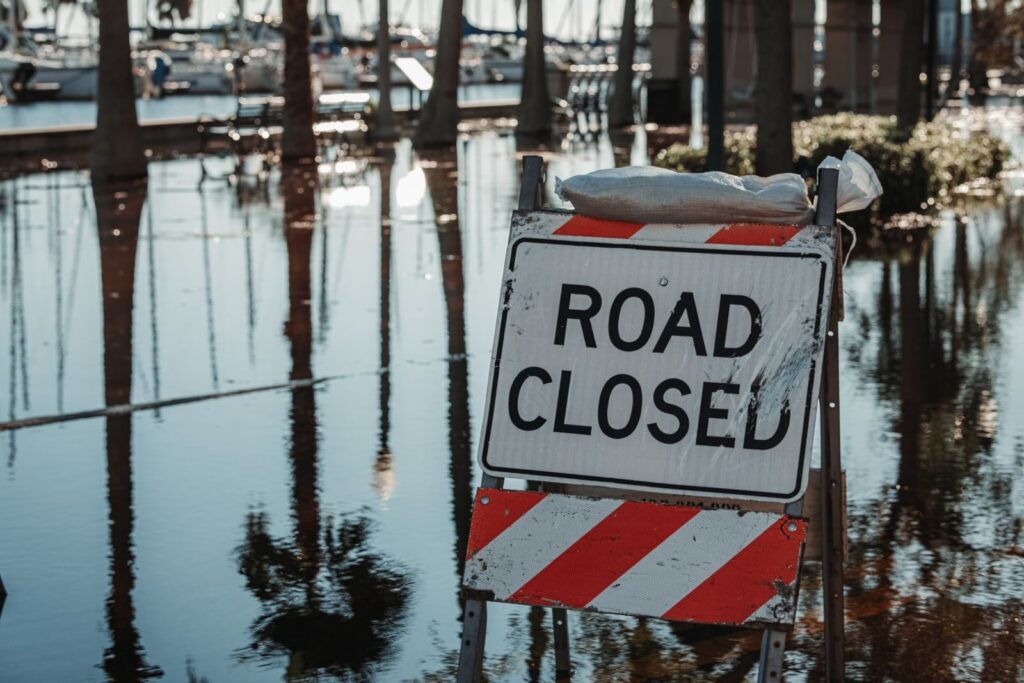
This year’s only hurricane to make landfall was Isaias, which formed last month. According to ABC, “The rapidly strengthening storm was on track to tie or break a 121-year-old record as the latest arriving initial hurricane of the Atlantic season. According to the National Weather Service, the record dates to 1905, when the year’s first Atlantic hurricane formed on Oct. 8.” Isaias moved north from the Gulf, just off Mexico, and reached Category 3 strength before striking near Destin, FL, with 105 mph winds. It then moved through Mississippi and Alabama. The storm killed nine people and cut power to almost 900,000 customers. About two-thirds of Gulf oil production was shut down.
Most of this year’s storms stayed out to sea. The table below lists those that came ashore, based on data from the National Hurricane Center and media reports, including CBS.
| Storm | When / where | Effects |
|---|---|---|
| Hurricane Isaias | Oct. 9, near Destin, FL | 9 deaths; about 900,000 customers lost power; insured losses estimated as high as $4 billion; 24 tornadoes; about 63% of Gulf oil production temporarily shut down |
| Tropical Storm Arthur | June 17, near Galveston, TX | Flooding in Texas and Louisiana, with nearly 30 inches of rain in parts of Louisiana; 4 deaths; up to $800 million in damage |
| Tropical Storm Bertha | July 19, LA | $400 million in damage, mostly from storm surge |
| Tropical Storm Edouard | Sept. 1, Johnson Bayou, LA | Up to 15 inches of rain |
More from ClimateCrisis 247
- 10 US Cities Where Voters Overwhelmingly Rejected Data Centers
- 15 US Cities Where Floods Have Caused The Most Damage
- The U.S. States Losing the Most Forest
- Which U.S. Cities Produce the Most Emissions Per Resident?