
Canadian Wildfire Smoke Is Back, Bringing Unhealthy Air to Midwest and Beyond
 https://climate-crisis-247-bucket.nyc3.cdn.digitaloceanspaces.com/wp-content/uploads/2025/06/07220531/44kg_vtofzu-150x150.jpg
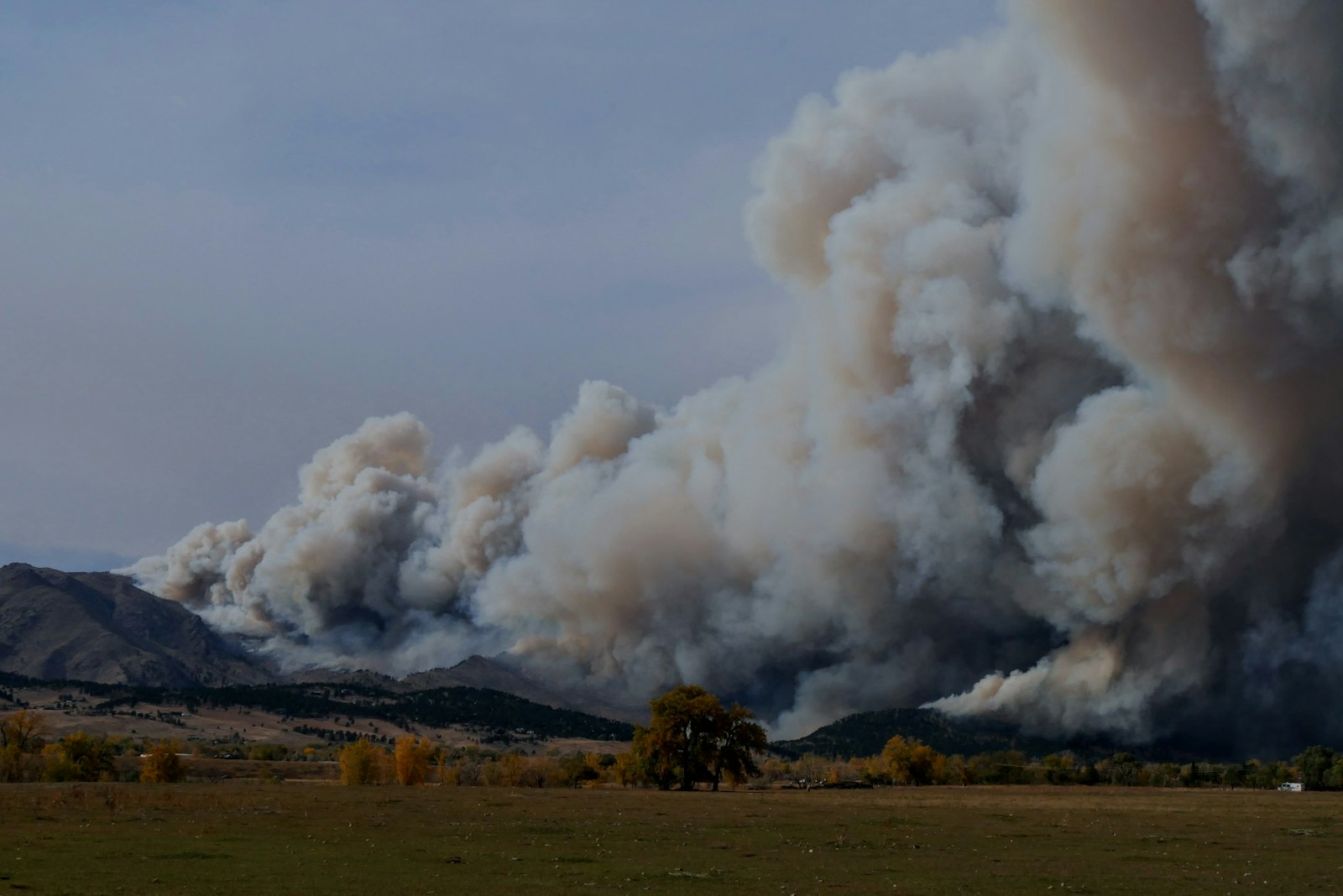
As dozens of wildfires continue to burn across central and eastern Canada, a thick plume of smoke is drifting into the United States, bringing unhealthy air to millions of Americans. Fueled by dry conditions and intense heat in Quebec and Ontario, the fires have blanketed parts of the Midwest, Great Lakes, and Northeast in a hazy shroud, triggering air quality alerts from Minnesota to North Carolina.
While no major fires are burning on U.S. soil, the transboundary smoke is pushing fine particulate matter (PM2.5) levels to dangerous highs. Forecasts show that by midweek, smoke concentration will reach 55.1 micrograms per cubic meter of air in St. Paul, Minnesota – more than twice the threshold considered “unhealthy for sensitive groups.” Cities across Michigan, Kansas, and Ohio are also expected to experience some of the worst air quality in the country. A closer look at the data reveals which U.S. cities will be hardest hit by the latest wave of Canadian wildfire smoke.
DOGE backlash? The Federal Departments Americans Want To Keep
Dying for air? Climate Activism Is Turning Deadly In These Cities
To determine the cities where wildfires are making the air dangerous to breathe, Climate Crisis 247 reviewed data on smoke forecasts and wildfires from the NOAA. Cities were ranked based on maximum forecast smoke concentration from June 2 to June 5, 2025. Only cities with at least 100,000 residents were considered. Supplemental data on total value of owner-occupied real estate and total population by city are from the U.S. Census Bureau.
25. Fort Wayne, IN
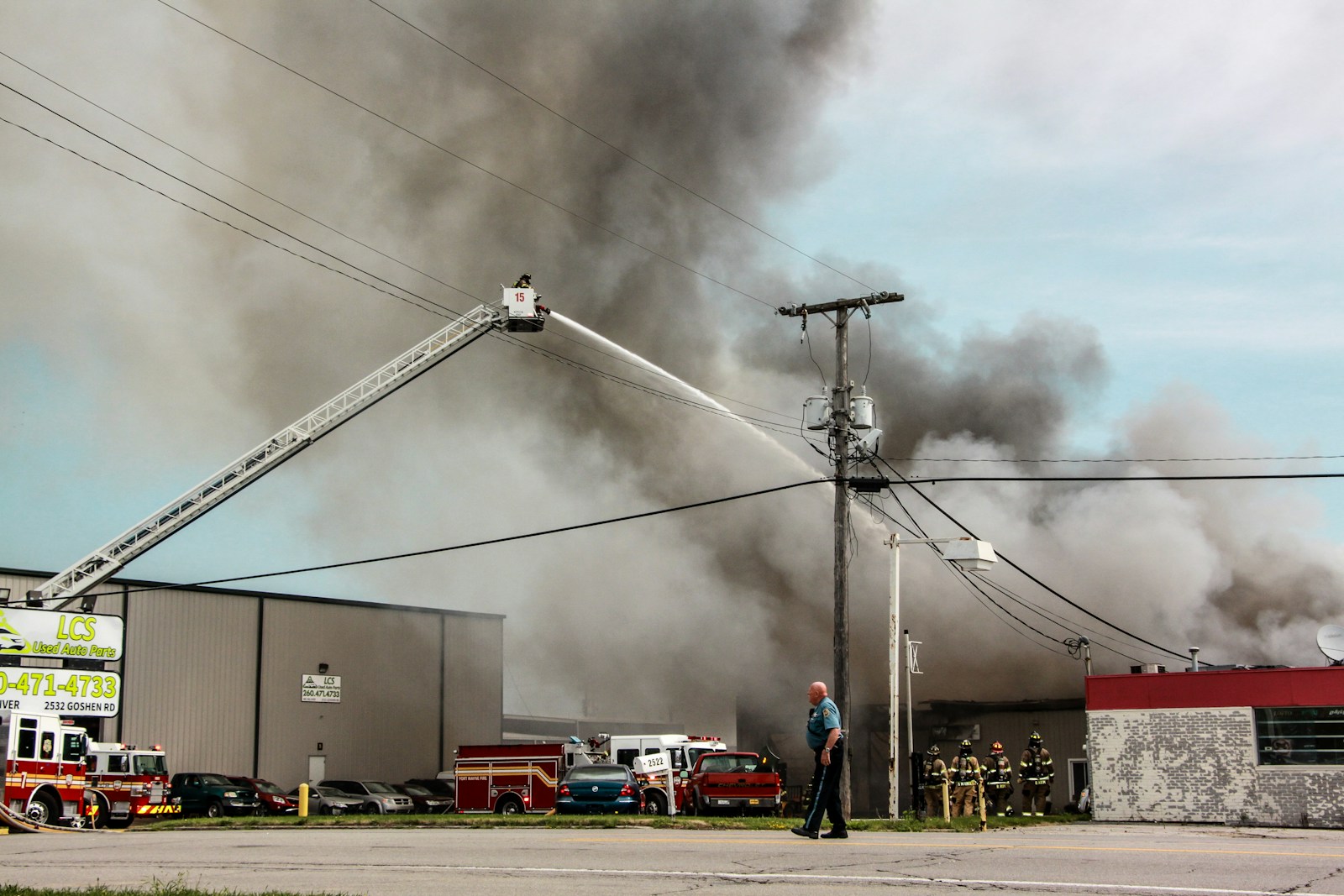
- Maximum smoke concentration in next 48 hours: 14.8 µg/m³
- Total value of all homes: $11.9 billion
- Total population: 264,514
24. Cincinnati, OH

- Maximum smoke concentration in next 48 hours: 15.0 µg/m³
- Total value of all homes: $15.0 billion
- Total population: 308,870
23. Charlotte, NC

- Maximum smoke concentration in next 48 hours: 16.1 µg/m³
- Total value of all homes: $41.0 billion
- Total population: 902,449
21. Knoxville, TN

- Maximum smoke concentration in next 48 hours: 16.4 µg/m³
- Total value of all homes: $9.4 billion
- Total population: 191,857
20. Lee's Summit, MO

- Maximum smoke concentration in next 48 hours: 16.7 µg/m³
- Total value of all homes: $9.5 billion
- Total population: 101,728
19. Dayton, OH
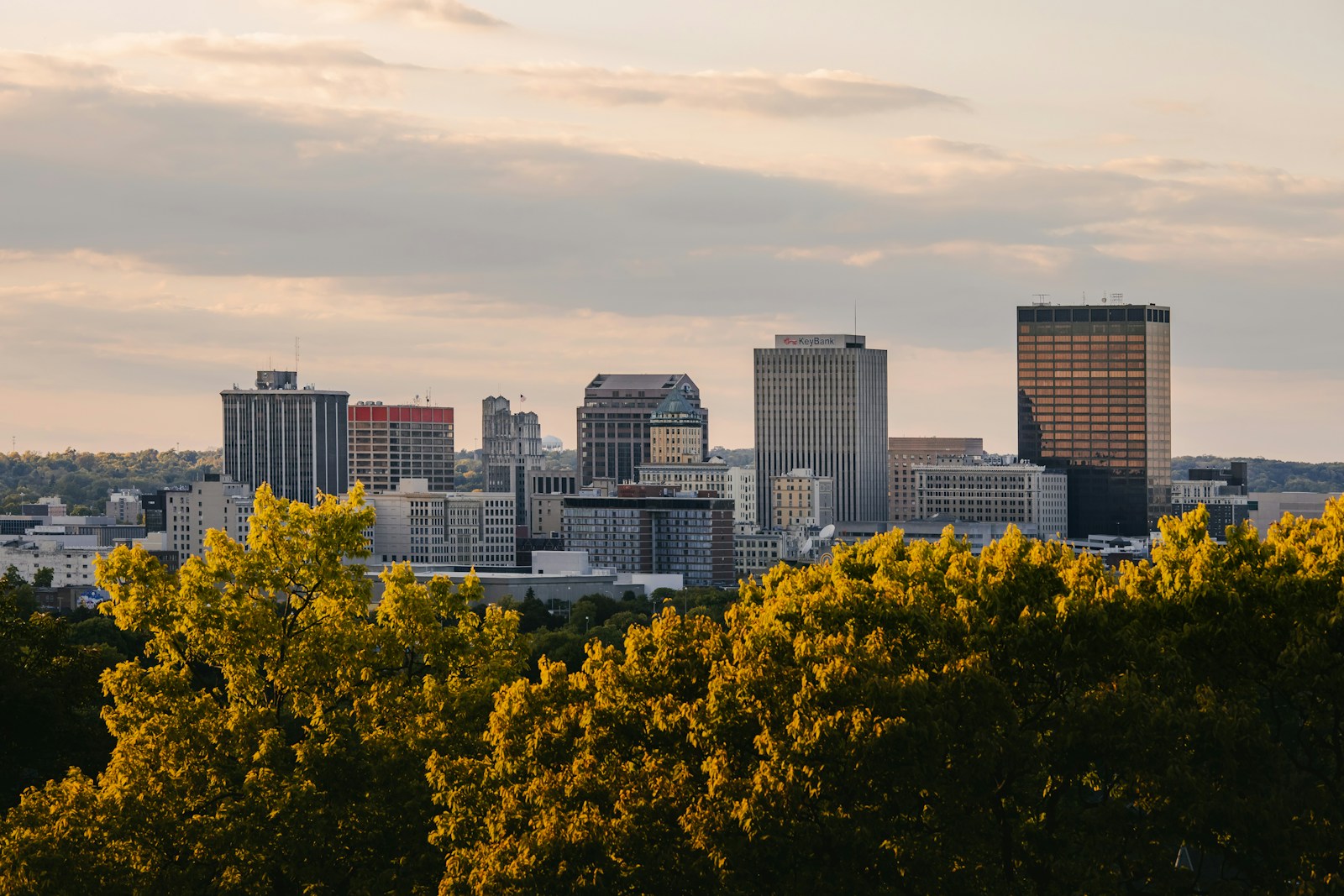
- Maximum smoke concentration in next 48 hours: 16.9 µg/m³
- Total value of all homes: $3.1 billion
- Total population: 137,305
18. Savannah, GA

- Maximum smoke concentration in next 48 hours: 17.1 µg/m³
- Total value of all homes: $7.4 billion
- Total population: 147,583
17. Kansas City, KS
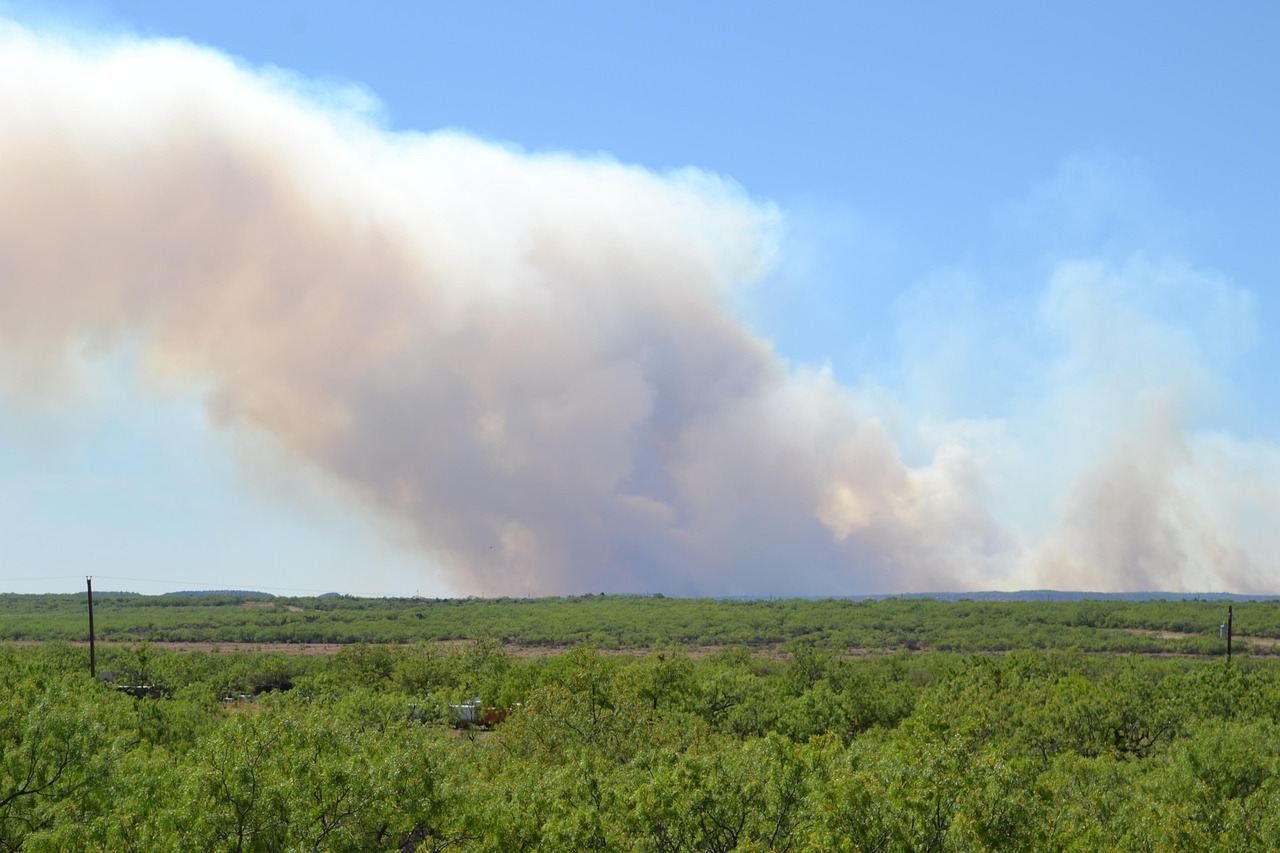
- Maximum smoke concentration in next 48 hours: 18.3 µg/m³
- Total value of all homes: $5.8 billion
- Total population: 155,438
16. Ann Arbor, MI
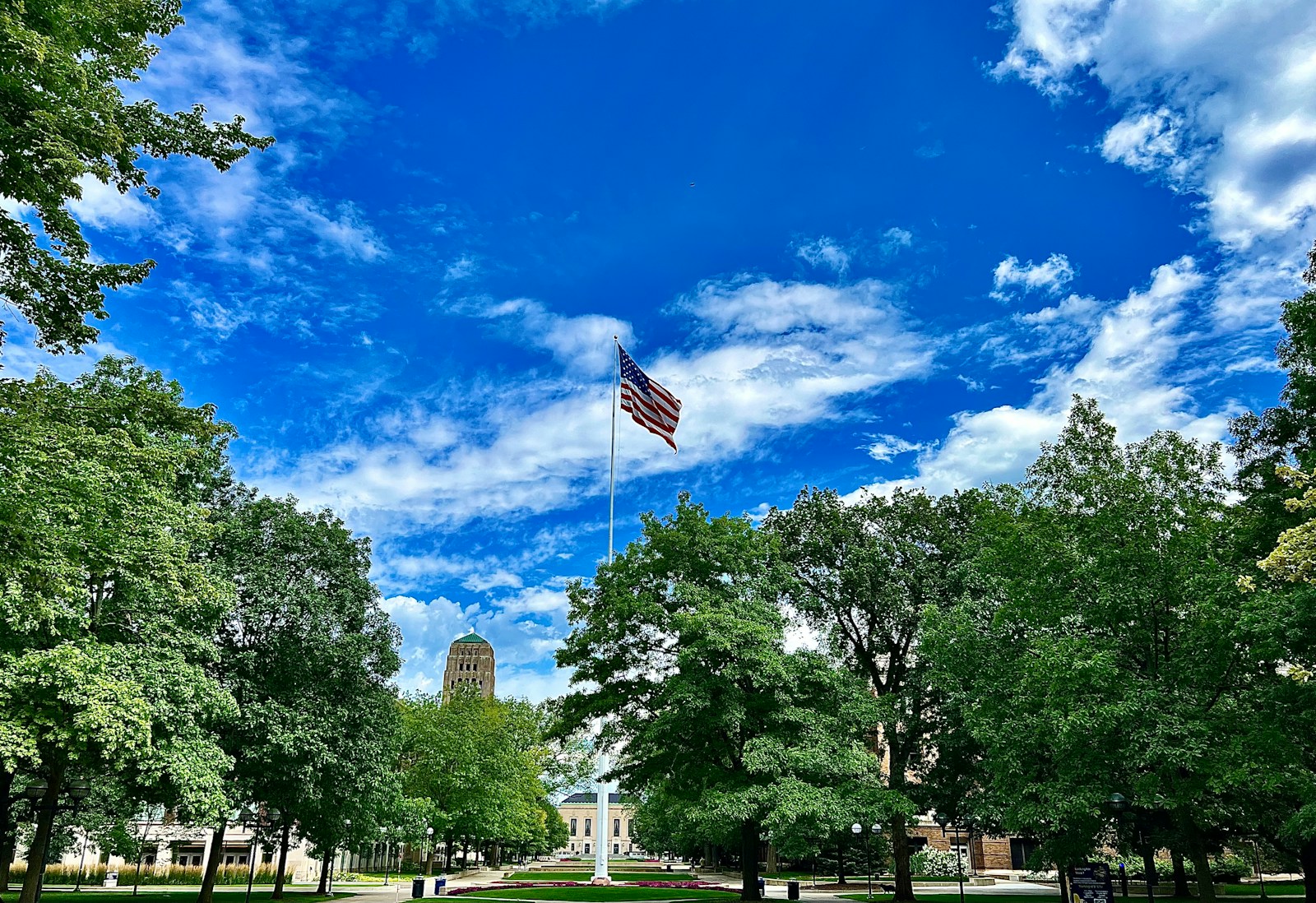
- Maximum smoke concentration in next 48 hours: 18.6 µg/m³
- Total value of all homes: $10.6 billion
- Total population: 122,216
15. Concord, NC
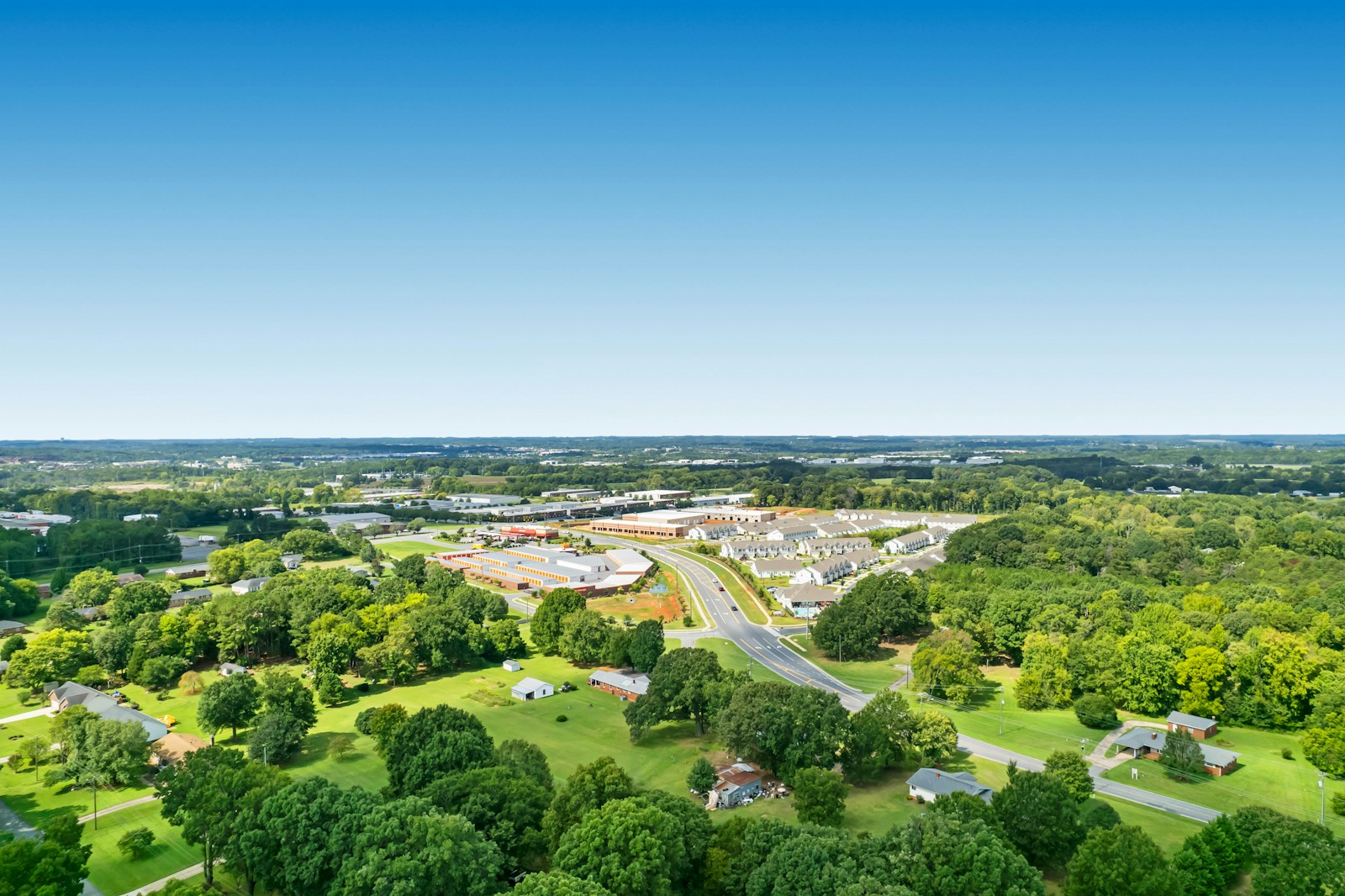
- Maximum smoke concentration in next 48 hours: 18.9 µg/m³
- Total value of all homes: $7.8 billion
- Total population: 105,335
14. Sterling Heights, MI

- Maximum smoke concentration in next 48 hours: 19.3 µg/m³
- Total value of all homes: $9.8 billion
- Total population: 133,744
13. Kansas City, MO

- Maximum smoke concentration in next 48 hours: 19.3 µg/m³
- Total value of all homes: $29.2 billion
- Total population: 505,958
12. Warren, MI

- Maximum smoke concentration in next 48 hours: 19.9 µg/m³
- Total value of all homes: $6.8 billion
- Total population: 138,588
11. Overland Park, KS
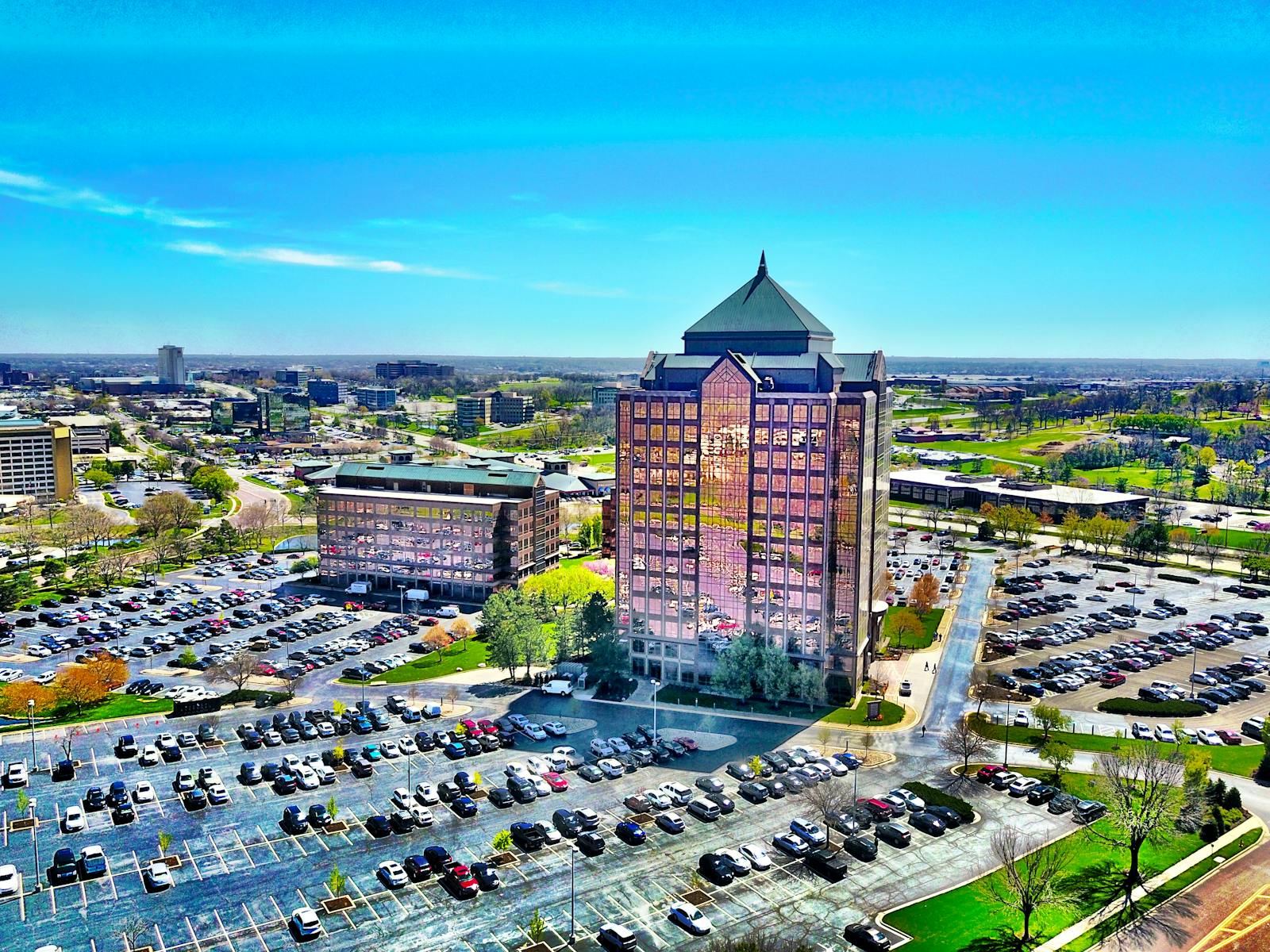
- Maximum smoke concentration in next 48 hours: 20.1 µg/m³
- Total value of all homes: $20.7 billion
- Total population: 196,676
10. Independence, MO

- Maximum smoke concentration in next 48 hours: 21.1 µg/m³
- Total value of all homes: $5.4 billion
- Total population: 122,218
9. Olathe, KS
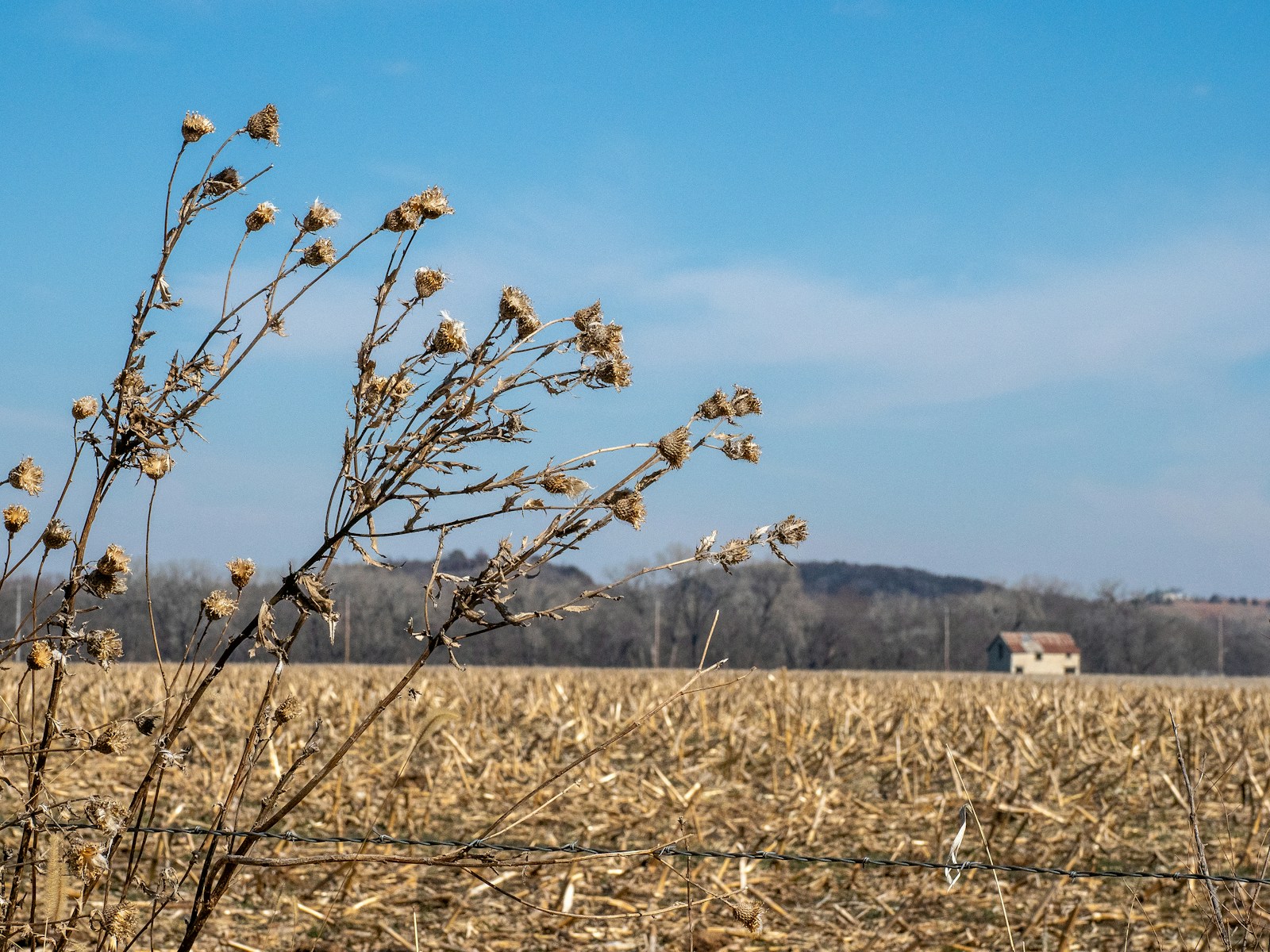
- Maximum smoke concentration in next 48 hours: 22.0 µg/m³
- Total value of all homes: $12.6 billion
- Total population: 142,114
8. Detroit, MI

- Maximum smoke concentration in next 48 hours: 22.2 µg/m³
- Total value of all homes: $13.7 billion
- Total population: 636,787
7. Toledo, OH
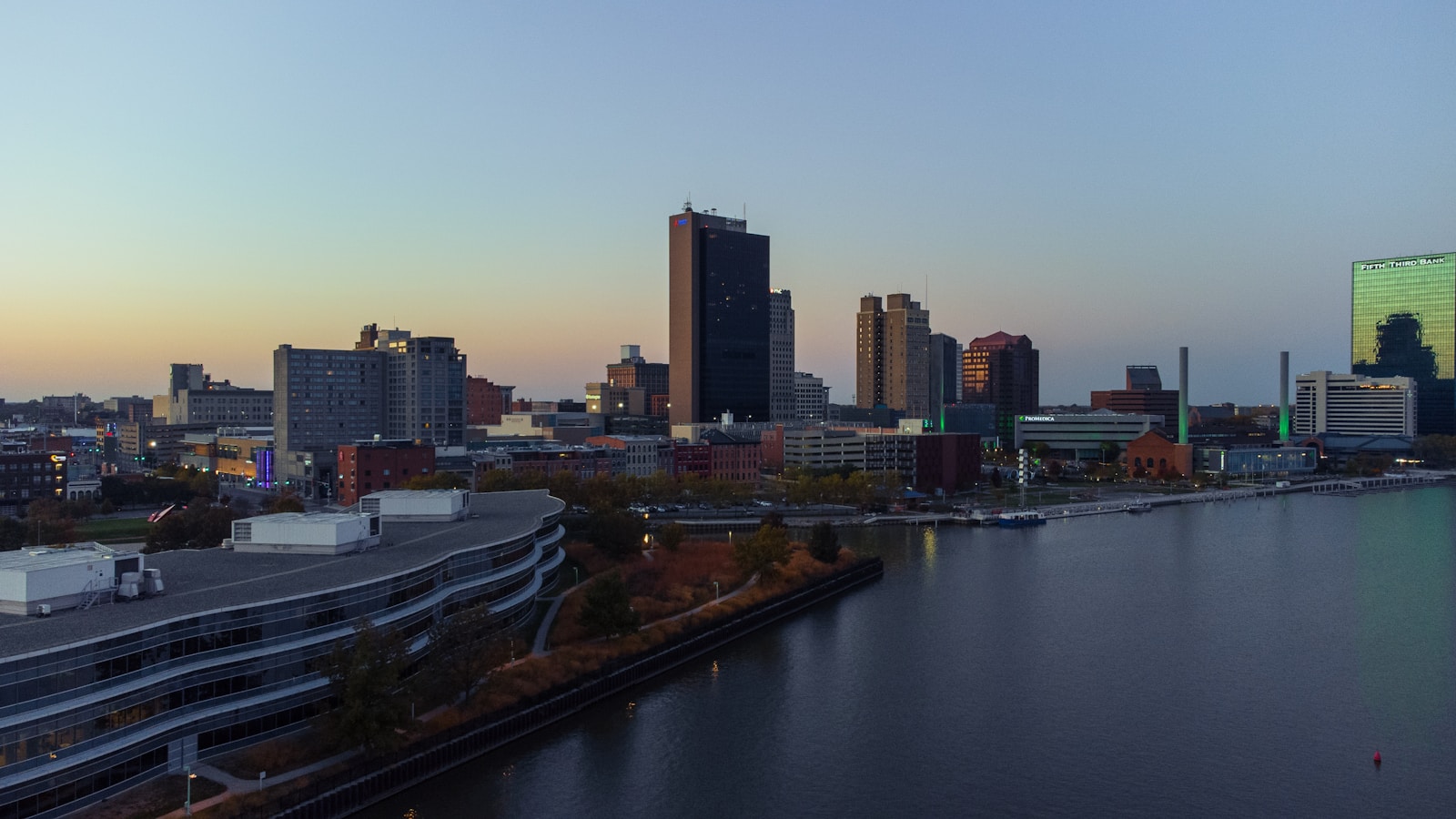
- Maximum smoke concentration in next 48 hours: 22.6 µg/m³
- Total value of all homes: $7.3 billion
- Total population: 269,962
6. Topeka, KS
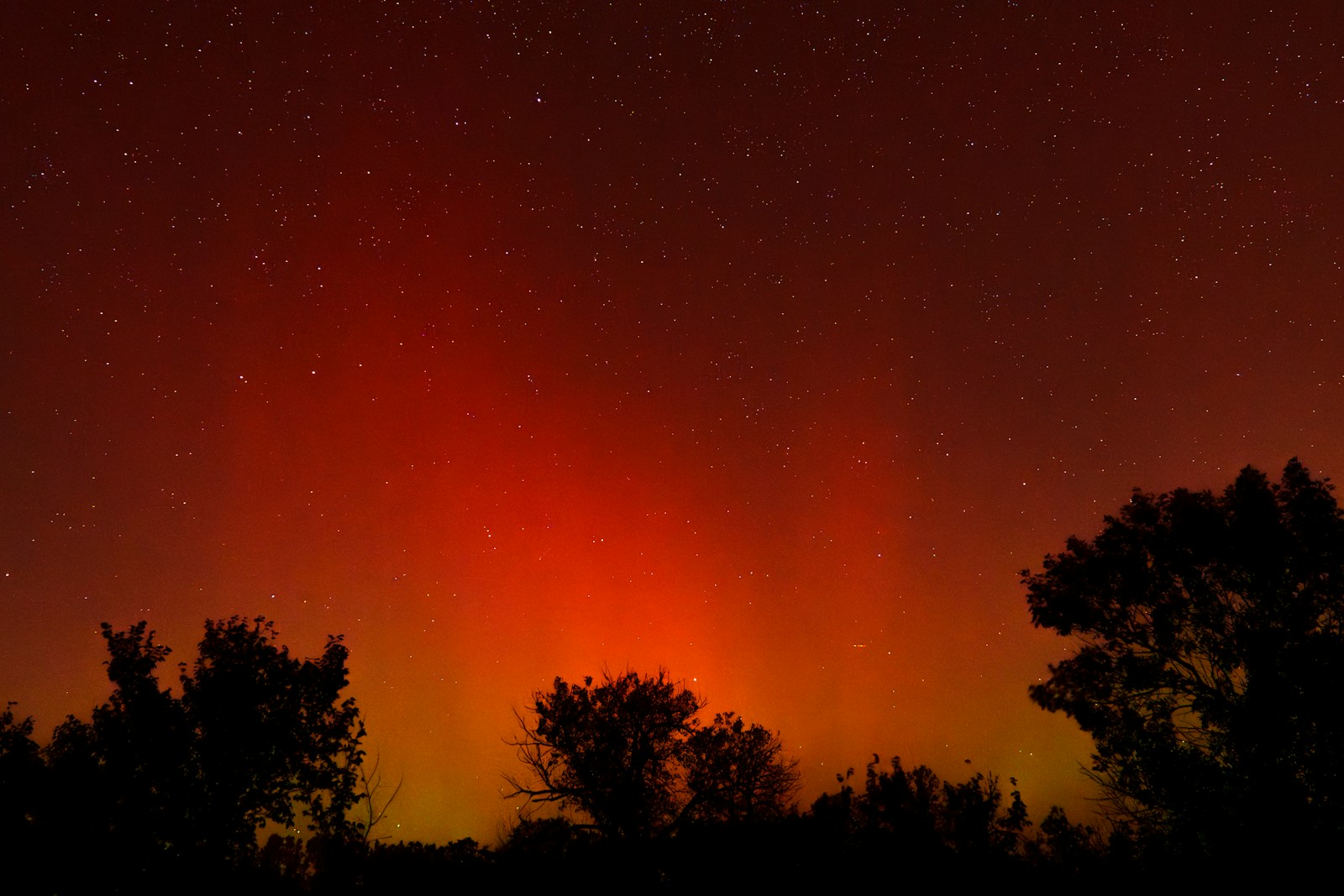
- Maximum smoke concentration in next 48 hours: 24.3 µg/m³
- Total value of all homes: $4.7 billion
- Total population: 126,431
5. Dearborn, MI
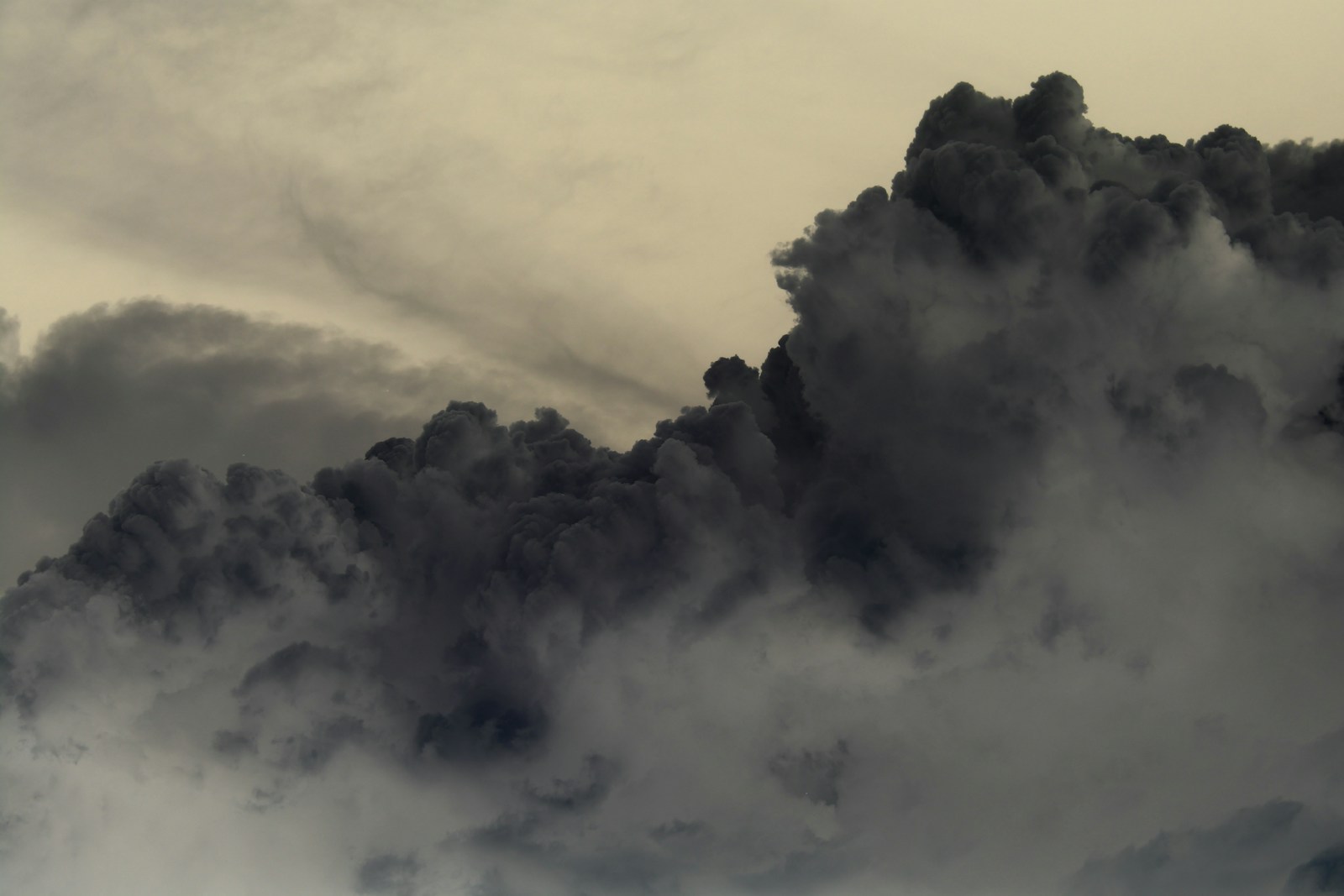
- Maximum smoke concentration in next 48 hours: 24.7 µg/m³
- Total value of all homes: $5.7 billion
- Total population: 108,414
4. Rochester, MN

- Maximum smoke concentration in next 48 hours: 42.8 µg/m³
- Total value of all homes: $10.2 billion
- Total population: 120,848
3. Des Moines, IA

- Maximum smoke concentration in next 48 hours: 46.4 µg/m³
- Total value of all homes: $10.5 billion
- Total population: 213,164
2. Minneapolis, MN

- Maximum smoke concentration in next 48 hours: 54.2 µg/m³
- Total value of all homes: $35.5 billion
- Total population: 426,877
1. St. Paul, MN

- Maximum smoke concentration in next 48 hours: 55.1 µg/m³
- Total value of all homes: $21.1 billion
- Total population: 308,806