
Gas Guzzlers Like Ford F-Series Still Dominate US Auto Market
 https://climate-crisis-247-bucket.nyc3.cdn.digitaloceanspaces.com/wp-content/uploads/2025/08/07205643/xcm3fgx8lb8-150x150.jpg
The United States generates billions of tons of carbon emissions every year, more than any other country with the sole exception of China. For decades, the bulk of the air pollution created in the U.S. came from the electric power sector. But as the country shifted away from coal-burning power plants in favor of clean energy sources, including wind and solar, greenhouse gas emissions from electricity production began to fall – and by 2017, transportation became the heaviest polluting sector in the United States.
According to the Environmental Protection Agency, the transportation sector emitted 1.8 billion metric tons of greenhouse gas pollution in 2022, or about 28% of total emissions that year – and most of those emissions were generated by light-duty passenger vehicles. Just as the electric power sector reduced its carbon footprint by moving away from fossil fuels, wide-spread adoption of electric vehicles would go a long way toward reducing atmospheric pollution generated by transportation.
Encouragingly, EV sales have been steadily rising in the United States. EVs accounted for about 9% of domestic auto sales in 2024, up from fewer than 2% as recently as 2019. Rising sales have been driven in part by government incentives, which grant up to $7,500 in federal tax credits for eligible buyers. Notably, however, the Trump administration recently passed legislation to eliminate tax benefits for EV buyers starting on October 1, 2025.
The extent to which the policy shift will impact EV sales remains to be seen. But even with the incentives, auto sales in 2025 have so far been dominated by traditional internal-combustion engine vehicles. Many of the best selling vehicles so far this year consume far more fuel on a per-mile basis than the 26.9 miles per gallon average across all light-duty passenger vehicles, as reported by the U.S. Department of Energy.
Using data from the automotive industry publication Car and Driver, Climate Crisis 247 identified the 10 best-selling vehicles in the United States so far this year. Vehicles are ranked by domestic unit sales in the first half of 2025. Fuel economy data is also from Car and Driver, though MPG ratings can vary slightly for each model, depending on options.
Of the 10 best selling vehicles in the U.S. so far in 2025, half are pickup trucks that get 20 MPG or less for city driving. Notably, only one EV ranks on this list.
10. Chevrolet Equinox
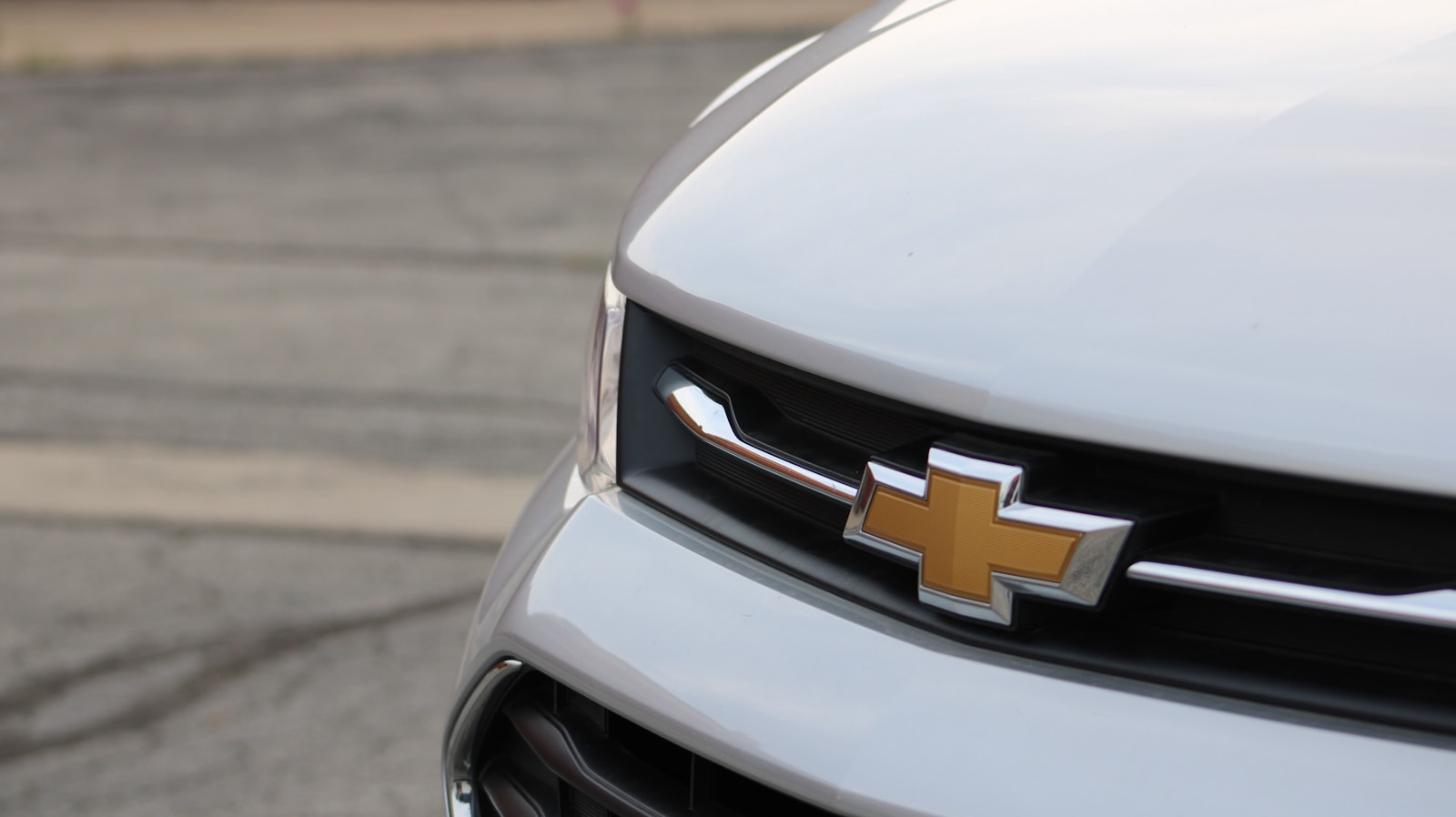
- U.S. sales volume, first half of 2025: 129,889 units
- Est. fuel economy: 26-27 MPG
- Vehicle segment: Small SUV
9. Toyota Tacoma
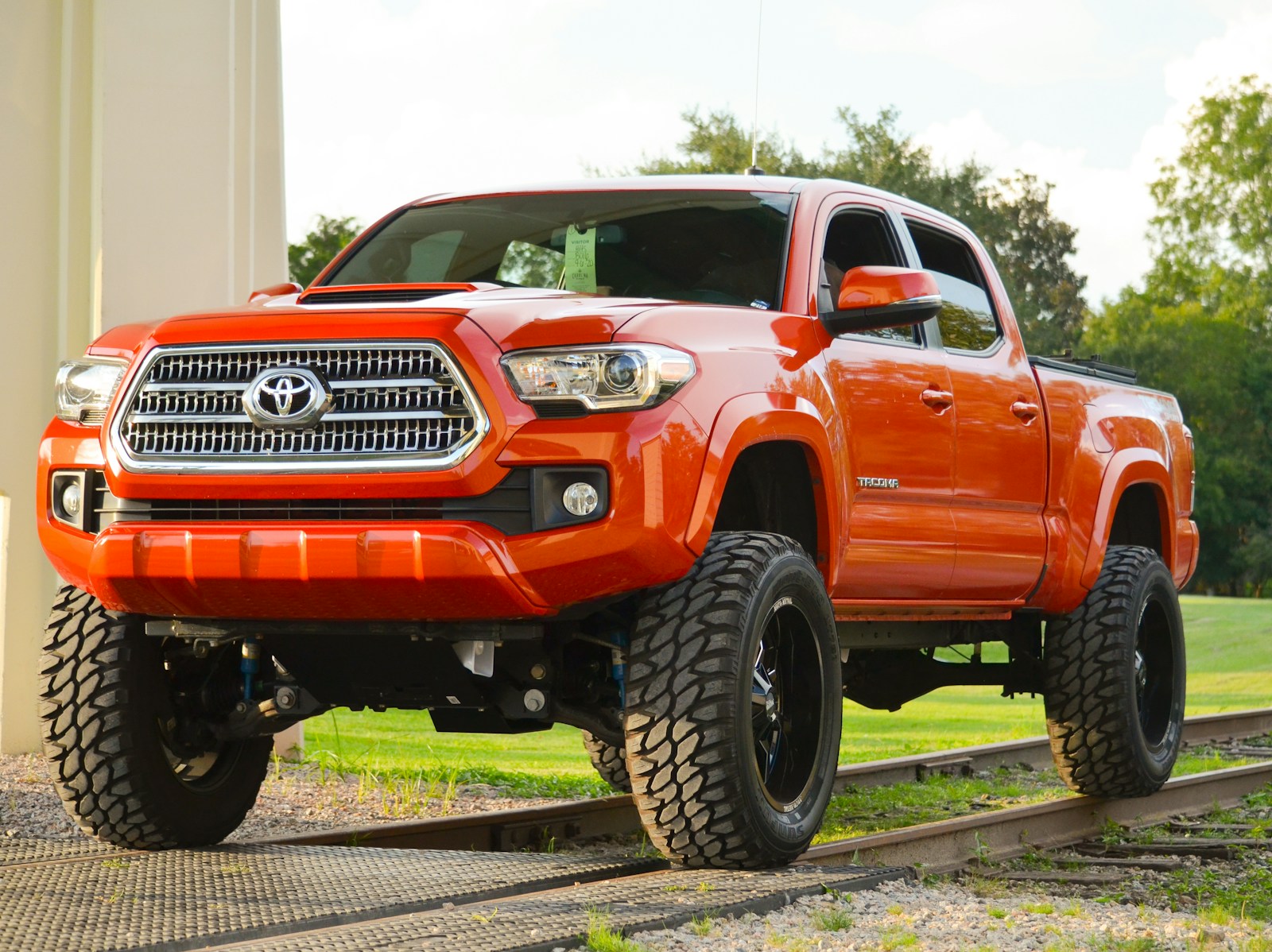
- U.S. sales volume, first half of 2025: 130,873 units
- Est. fuel economy: 20-23 MPG
- Vehicle segment: Mid-size pickup truck
8. Tesla Model Y
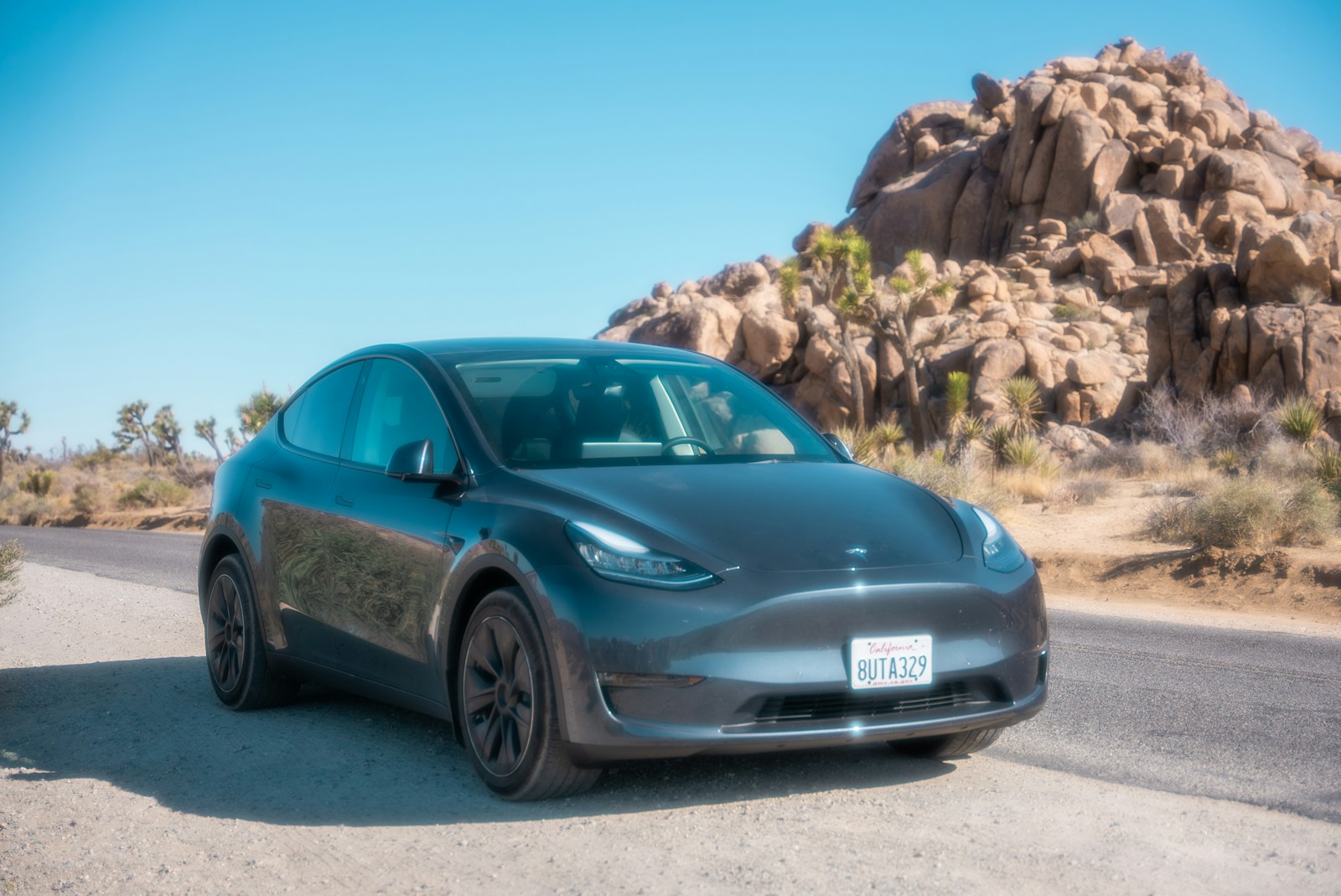
- U.S. sales volume, first half of 2025: 146,000 units
- Est. fuel economy: N/A
- Vehicle segment: Electric SUV
7. Toyota Camry
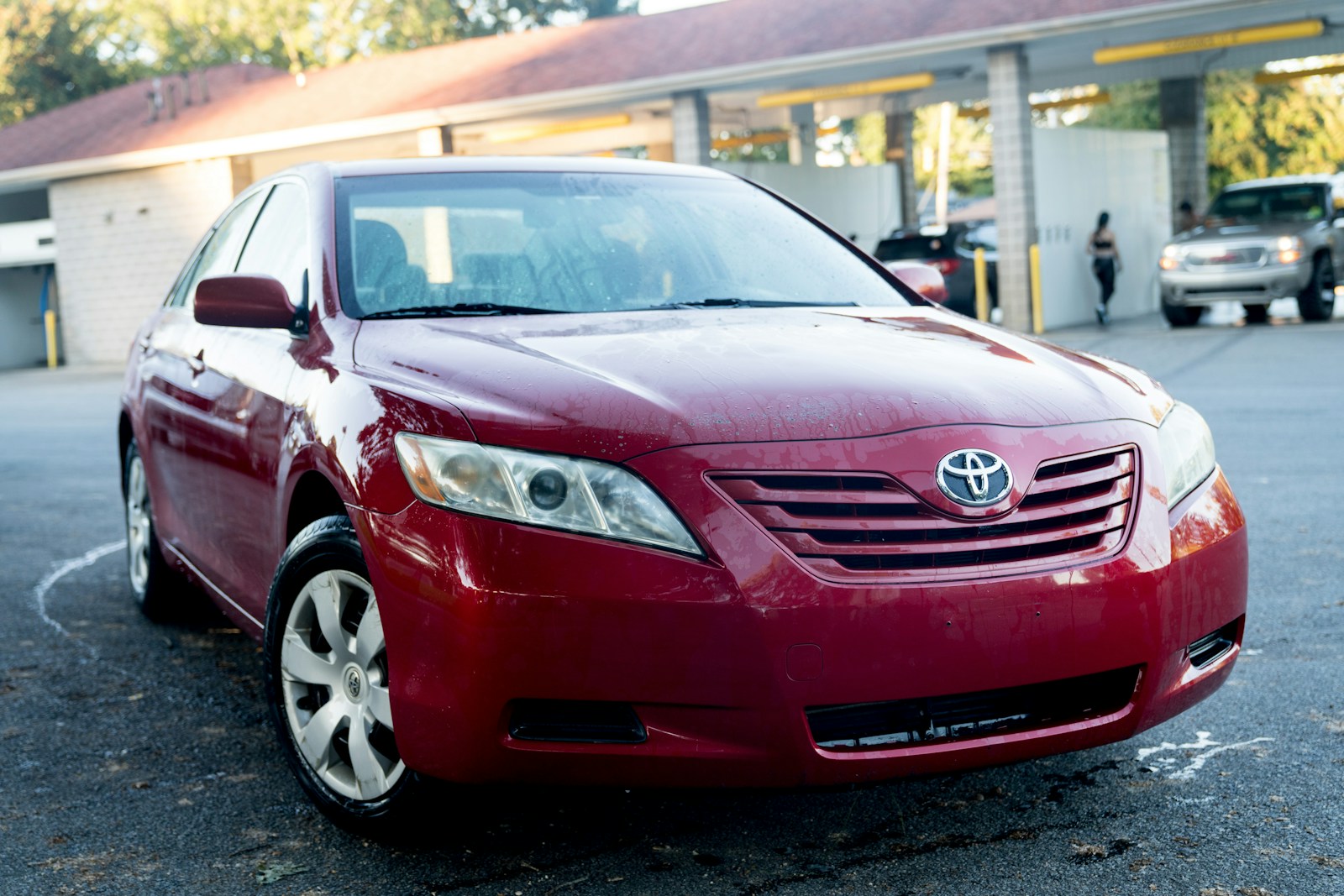
- U.S. sales volume, first half of 2025: 155,330 units
- Est. fuel economy: 44-51 MPG
- Vehicle segment: Mid-size sedan
6. GMC Sierra

- U.S. sales volume, first half of 2025: 166,409 units
- Est. fuel economy: 16-24 MPG
- Vehicle segment: Full-size pickup truck
5. Ram Pickup
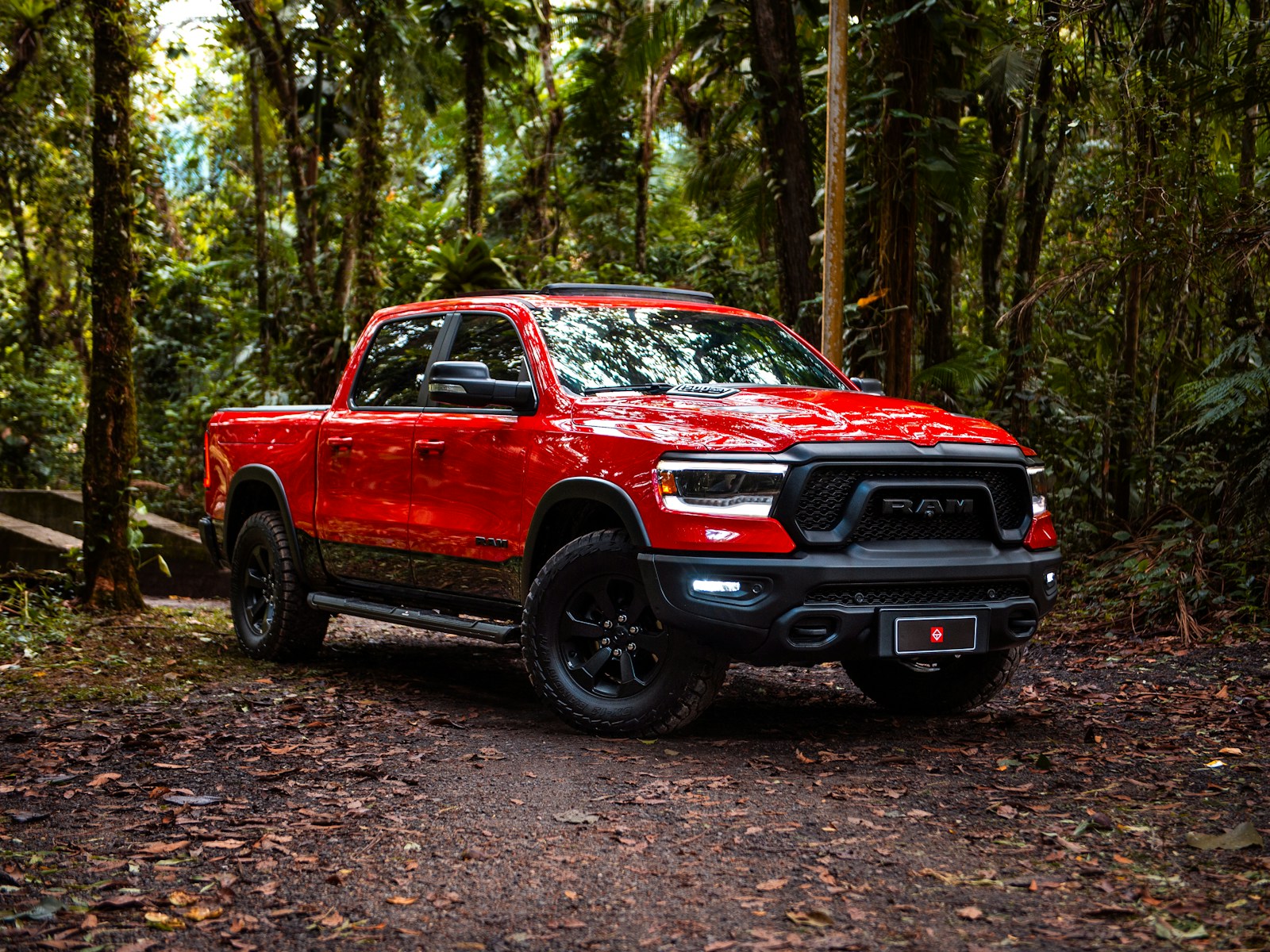
- U.S. sales volume, first half of 2025: 174,320 units
- Est. fuel economy: 17-23 MPG
- Vehicle segment: Full-size pickup truck
4. Honda CR-V
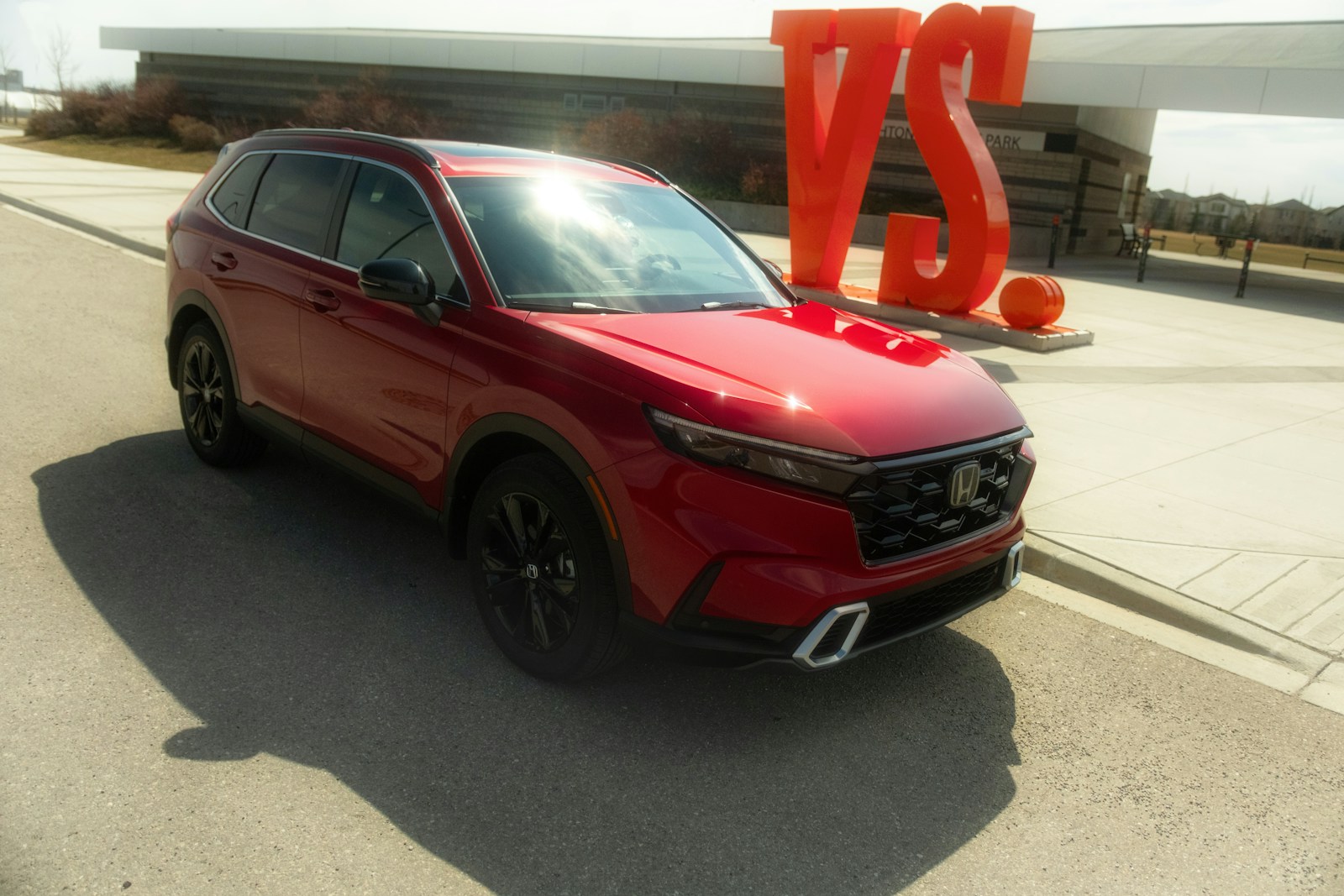
- U.S. sales volume, first half of 2025: 212,561 units
- Est. fuel economy: 28-30 MPG
- Vehicle segment: Small SUV
3. Toyota RAV4

- U.S. sales volume, first half of 2025: 239,451 units
- Est. fuel economy: 28-30 MPG
- Vehicle segment: Small SUV
2. Chevrolet Silverado
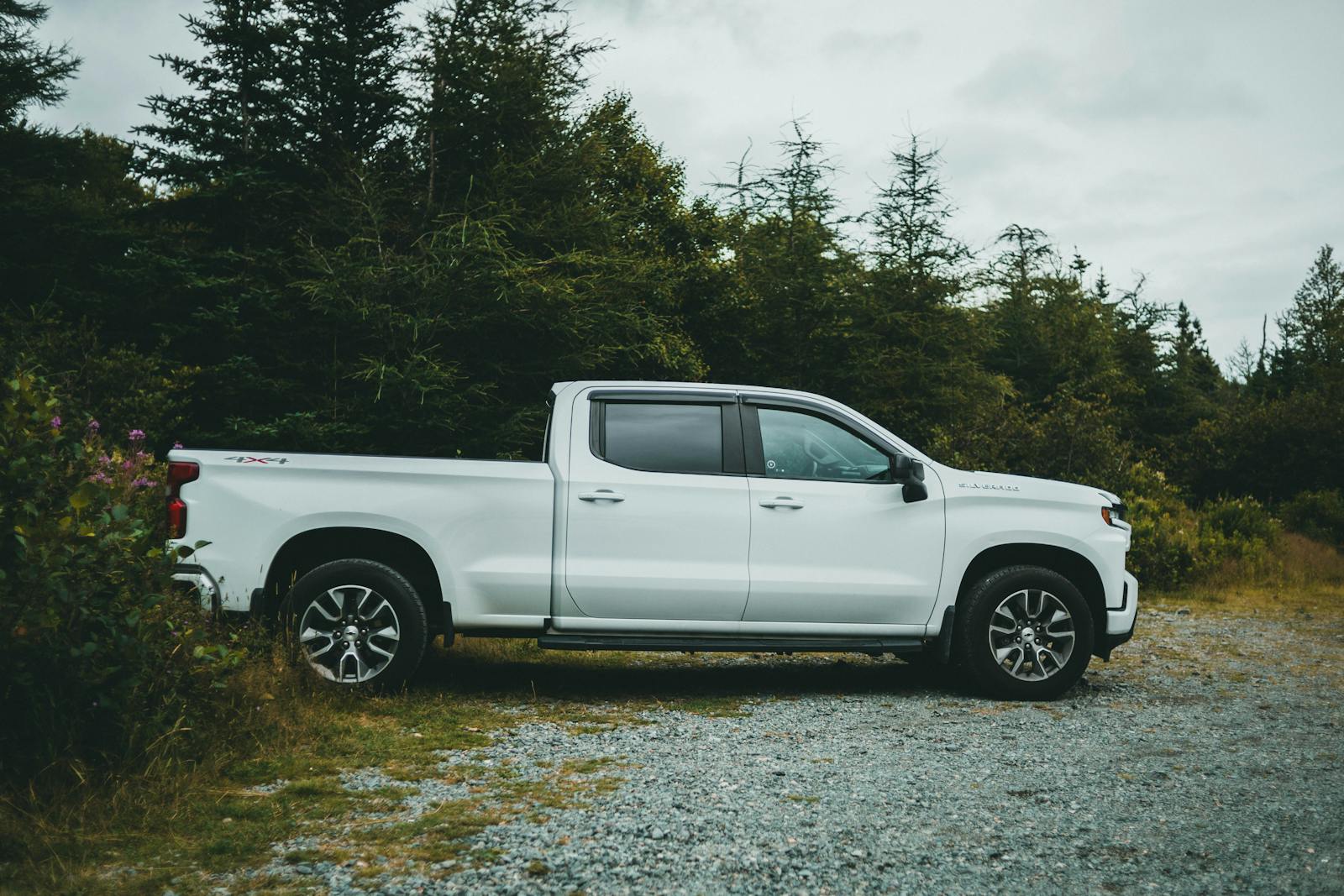
- U.S. sales volume, first half of 2025: 283,812 units
- Est. fuel economy: 16-19 MPG
- Vehicle segment: Full-size pickup truck
1. Ford F-series

- U.S. sales volume, first half of 2025: 399,819 units
- Est. fuel economy: 19-22 MPG
- Vehicle segment: Full-size pickup truck