America’s Fastest Disappearing Forests
America’s forests are facing significant pressures, and a number have no future. However, there are several ways a forest can “disappear” and also the pace of the disappearance can be fast or slow.
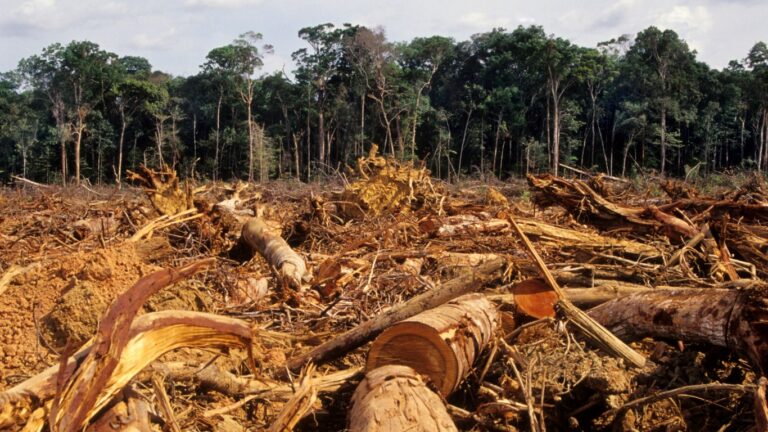
There are two categories. One is what is known as “permanent deforestation” which is when a forest is lost to urban growth or agriculture. Then there is “temporary” tree cover loss, which involves logging cycles or wildfires. In this second case, the forests often regrow.
Unlike tropical forest catastrophes like the Amazon Rainforest, U.S. forest loss is more dispersed across the continental U.S. and Alaska. And, it is sometimes reversible in several regions. Among the best examples of temporary loss is massive wildfires across the US in recent years. Many of these will regrow, although it will take decades.
According to data from Global Forest Watch, the University of Maryland satellite monitoring, which has data up until last year, the United States experiences about 3.7 million acres of tree cover loss annually in recent periods. However, much of this is temporary primarily caused by logging, especially in the Southeast and wildfires, especially in the West.
According to the Wildfire Summary and Statistics Annual Report, there were 69,000 wildfires in 2024. This was higher than the five-year and ten-year average.
The U.S. has seen more permanent loss from urban expansion than almost any other country since 2001, with over 3.8 million to development.
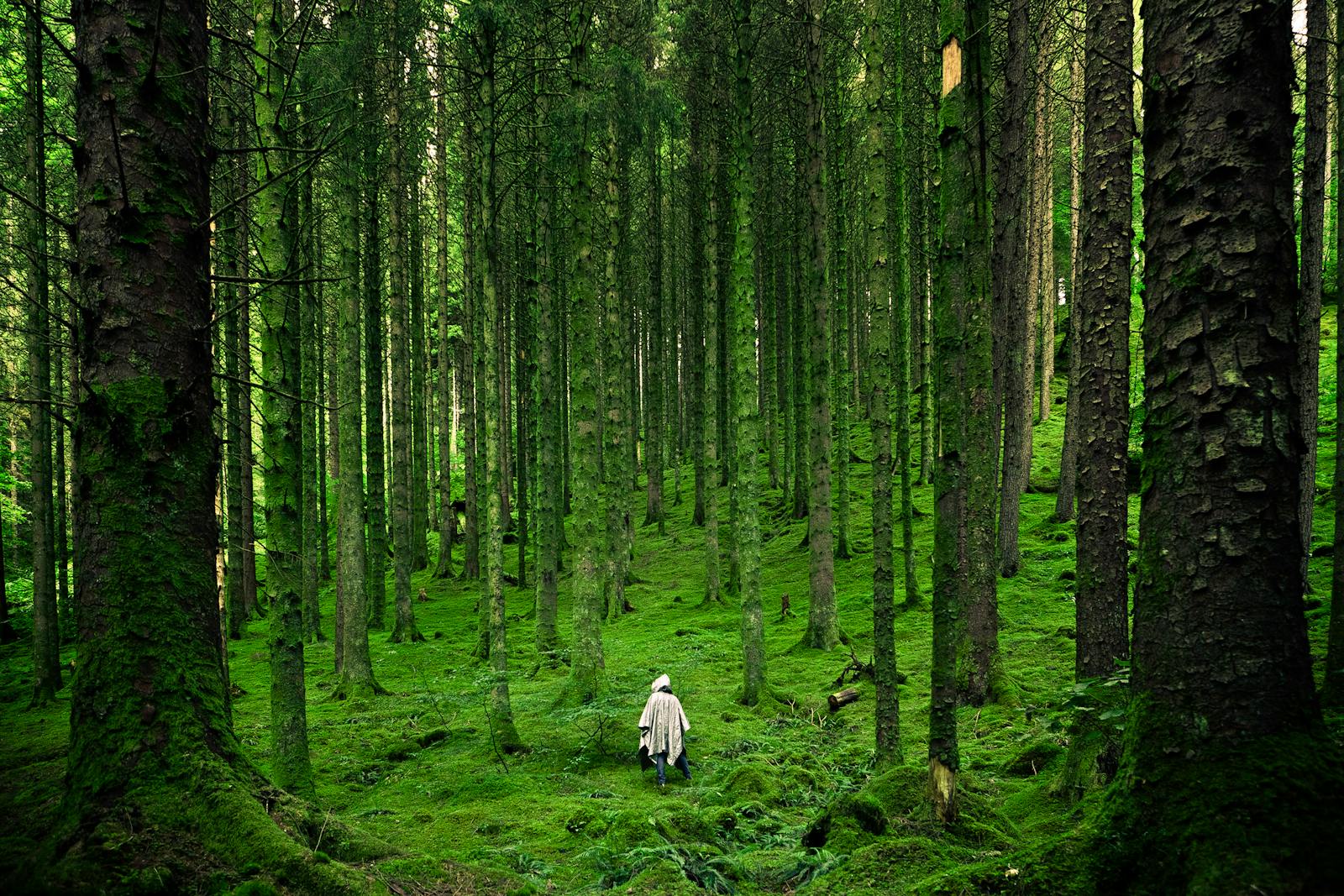
The total size of America’s forests are huge. According to Green Earth, “The United States boasts the world’s fourth-largest forest estate, encompassing approximately 8% of global forests. With almost 766 million acres of forested land, forests cover about one-third of the country’s total land area.”
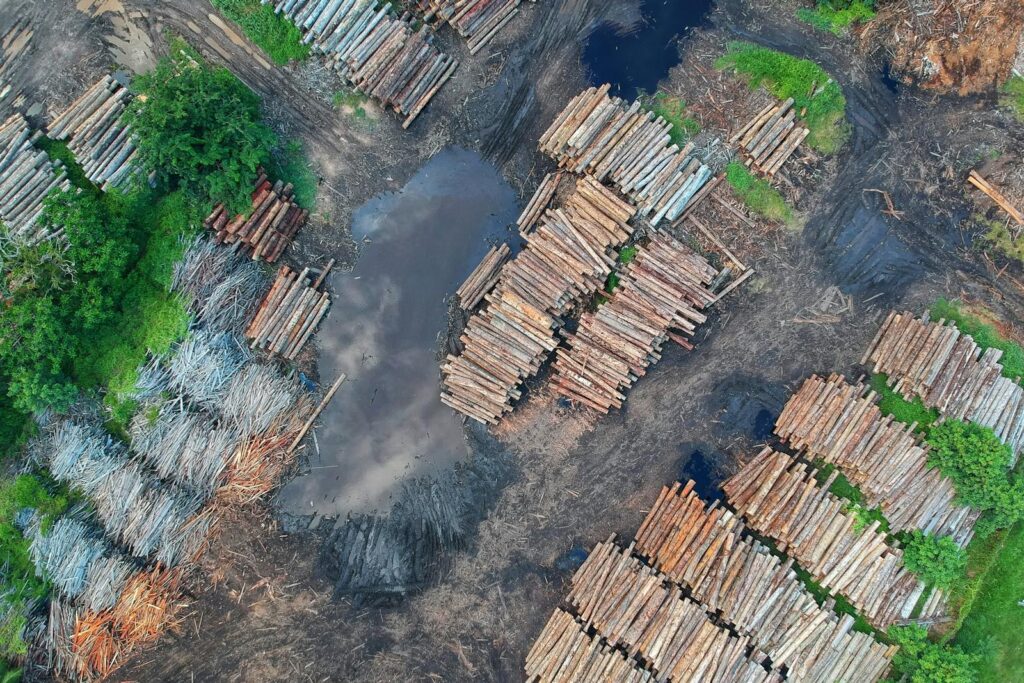
These are the areas of the US generally listed as experiencing the most rapid or concerning forest/tree cover declines:
1. Southeastern United States (Fastest for Commercial Logging Cycles)
The Southeast leads in annual tree cover loss due to intensive timber harvesting on private lands which include pine plantations treated like crops. Forests here are “disappearing” and regrowing quickly, but old-growth remnants are rare and fragmented.
This region accounts for a large share of U.S. logging-related loss. According to Climate Scorecard, “Most of the United States forest cover is located in the eastern half of the United States and is privately owned and managed—at 56%. Approximately 89% of wood that is harvested is from privately owned forests.”
2. Ponderosa Pine Forests of the American Southwest (e.g., Arizona, New Mexico)
These dry forests are rapidly disappearing due to climate change (particularly drought, heat), past fire suppression (leading to denser fuels), and intensified wildfires/insect outbreaks. Since 2000, over 200 million ponderosa pines have died in the Southwest, with projections of up to 90% loss in coming decades.
According to the University of Arizona News, “In the American Southwest, winter snowmelt and summer rains play a critical role in these forests’ survival, but the 23-year megadrought may have these semi-arid trees at the end of their rope, according to new research by University of Arizona scientists. “
3. Western U.S. Forests (primarily California and the Rockies) — Wildfire-Driven Loss
Megafires, bark beetles, and drought have caused massive tree die-off. California’s forests have seen huge losses from fires, often with slow or no regrowth in severely burned areas. According to Yale, “Across western North America, huge tracts of forest are dying off at an extraordinary rate, mostly because of outbreaks of insects.”
4. Tongass National Forest (Alaska) — Threats to Remaining Old-Growth
The Tongass is the largest national forest and one of the last major intact temperate rainforests. While overall loss has slowed due in part to the Roadless Rule, past logging has hit old-growth stands hard, and some areas remain at risk. The Roadless Rule was recently killed by the Trump Administration.
5. Appalachian Region (Southeast/Eastern Old-Growth Remnants)
Scattered old-growth pockets in the Appalachians face threats from logging, development, and climate stress, though total loss rates are lower than in the West or Southeast plantations.
According to Appalachian Mountain Joint Ventures, “The forests of the Appalachian Mountains stretch from northeastern Alabama and north Georgia to the central New York. The Appalachians are one of the most biologically diverse areas in North America, containing an array of forest types, including oak-hickory forests, northern hardwoods, spruce-fir stands at high elevations, and open pine communities.”