As America Heats Up, These US Counties are Actually Getting Colder
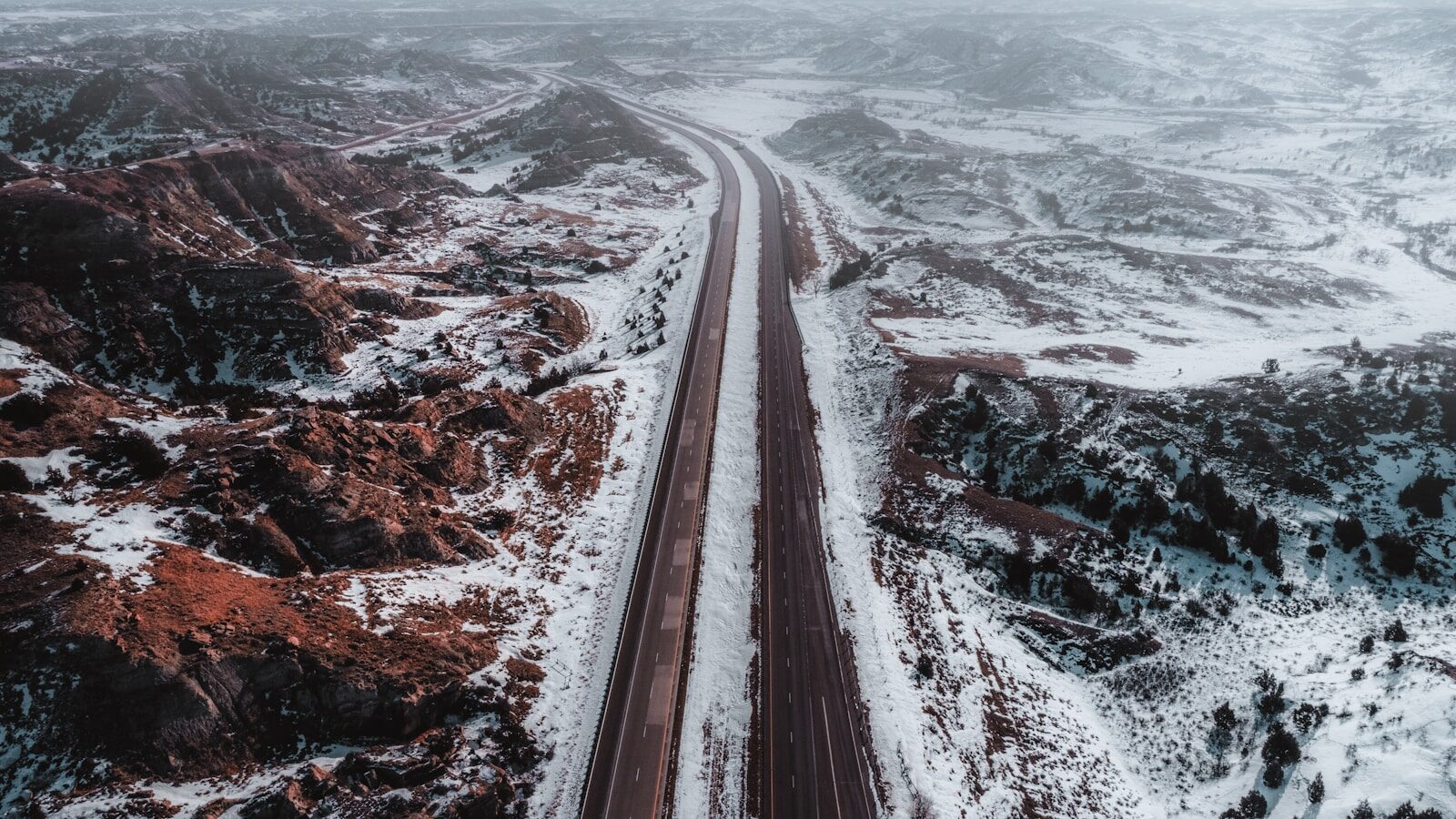
Around the world, temperatures have been steadily rising for decades and the trend appears to be accelerating in the 20th century – particularly in the United States. Multiple weather stations across the U.S. reported new record-high temperatures in all but two days of the 90 days in the first quarter in 2026. In many cases, new historic daily highs in the first three months of this year exceeded 100°F or topped previous daily records by 15°F or more. Partially as a result, 2026 is already on pace to become the warmest year in the continental United States since at least 1895, according data from the National Oceanic and Atmospheric Administration.
While winter is the fastest warming season in much of the United States, the warming trend is also having a noticeable impact on spring temperatures. A recent report from the non-profit research and advocacy group Climate Central analyzed average spring temperatures in 241 major U.S. cities. The report found that the spring season warmed in 236 of these places between 1970 and 2025 – in some cases, by more than 5°F. The same study also found that human-caused climate change was the primary cause of higher spring temperatures.
Heat-trapping carbon emissions represent only one of many factors that can impact shifts in local climates, however. And while these and other greenhouse gasses are driving temperatures up around the world, there are parts of the U.S. where spring temperatures have actually fallen in recent decades.
Using data from Climate Central, Climate Crisis 247 identified the U.S. counties where spring has gotten colder since the 1970s. We reviewed data for over 3,100 counties on change in the average temperature during the meteorological spring season from 1970 to 2025, and listed the places where temperatures have fallen the most. Changes in average spring temperatures were calculated by Climate Central, and only counties with populations of at least 10,000 were considered. Supplemental data on lowest recorded temperatures in March 2026, as well as average daily lows for the month of March in the 100 years between 1901 and 2000, are from NOAA. Population data are five-year estimates from the U.S. Census Bureau’s 2024 American Community Survey. Counties are ranked by change in average spring temperatures, from smallest to largest. In the case of a tie, the county with the larger population ranks higher.
The 10 counties on this list are spread across three states: Montana, North Dakota, and South Dakota. Among them, average spring temperatures have fallen by anywhere from 0.3°F to 0.6°F since 1970, according to Climate Central. Already, each county on this list has reported sub-zero temperatures in March 2026, the first month of this year’s meteorological spring.
10. Morton County, North Dakota
- Change in average spring temperature since 1970: 0.3°F colder today
- Lowest recorded temperature so far in spring 2026: -3.0°F on March 16, 2026
- Average daily low in March during 20th century: 16.2°F
- Cities in Morton County include: Mandan, North Dakota
- County population: 33,777

9. Brookings County, South Dakota
- Change in average spring temperature since 1970: 0.3°F colder today
- Lowest recorded temperature so far in spring 2026: -9.0°F on March 1, 2026
- Average daily low in March during 20th century: 18.8°F
- Cities in Brookings County include: Brookings, South Dakota
- County population: 35,353
8. Cass County, North Dakota
- Change in average spring temperature since 1970: 0.3°F colder today
- Lowest recorded temperature so far in spring 2026: -1.0°F on March 1, 2026
- Average daily low in March during 20th century: 16.3°F
- Cities in Cass County include: Fargo, North Dakota
- County population: 193,400
7. Hill County, Montana
- Change in average spring temperature since 1970: 0.4°F colder today
- Lowest recorded temperature so far in spring 2026: -16.0°F on March 15, 2026
- Average daily low in March during 20th century: 16.2°F
- Cities in Hill County include: Havre, Montana
- County population: 16,155
6. Brown County, South Dakota
- Change in average spring temperature since 1970: 0.4°F colder today
- Lowest recorded temperature so far in spring 2026: -4.0°F on March 16, 2026
- Average daily low in March during 20th century: 17.9°F
- Cities in Brown County include: Aberdeen, South Dakota
- County population: 37,877
5. Burleigh County, North Dakota
- Change in average spring temperature since 1970: 0.4°F colder today
- Lowest recorded temperature so far in spring 2026: -6.0°F on March 1, 2026
- Average daily low in March during 20th century: 15.6°F
- Cities in Burleigh County include: Bismarck, North Dakota
- County population: 100,600
4. Barnes County, North Dakota
- Change in average spring temperature since 1970: 0.6°F colder today
- Lowest recorded temperature so far in spring 2026: -3.0°F on March 3, 2026
- Average daily low in March during 20th century: 15.3°F
- Cities in Barnes County include: Valley City, North Dakota
- County population: 10,773
3. Davison County, South Dakota
- Change in average spring temperature since 1970: 0.6°F colder today
- Lowest recorded temperature so far in spring 2026: -4.0°F on March 16, 2026
- Average daily low in March during 20th century: 21.4°F
- Cities in Davison County include: Mitchell, South Dakota
- County population: 19,952
2. Stutsman County, North Dakota
- Change in average spring temperature since 1970: 0.6°F colder today
- Lowest recorded temperature so far in spring 2026: -3.0°F on March 1, 2026
- Average daily low in March during 20th century: 15.1°F
- Cities in Stutsman County include: Jamestown, North Dakota
- County population: 21,549
1. Ward County, North Dakota
- Change in average spring temperature since 1970: 0.6°F colder today
- Lowest recorded temperature so far in spring 2026: -13.0°F on March 16, 2026
- Average daily low in March during 20th century: 14.2°F
- Cities in Ward County include: Minot, North Dakota
- County population: 68,973