Countries That Are Making Forests Disappear
Climate change is most often understood as an unintended byproduct of fossil fuel consumption. As a result, policies designed to address climate change often center around reducing our reliance on fossil fuels and transitioning to clean energy alternatives. While this approach is both necessary and practical, there are also many other harmful, widespread practices which, left unchecked, will only exacerbate the world’s worsening climate challenges. One of them is deforestation.
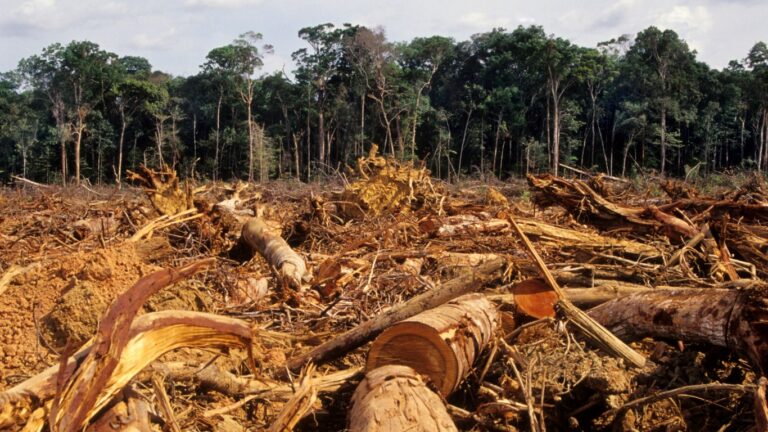
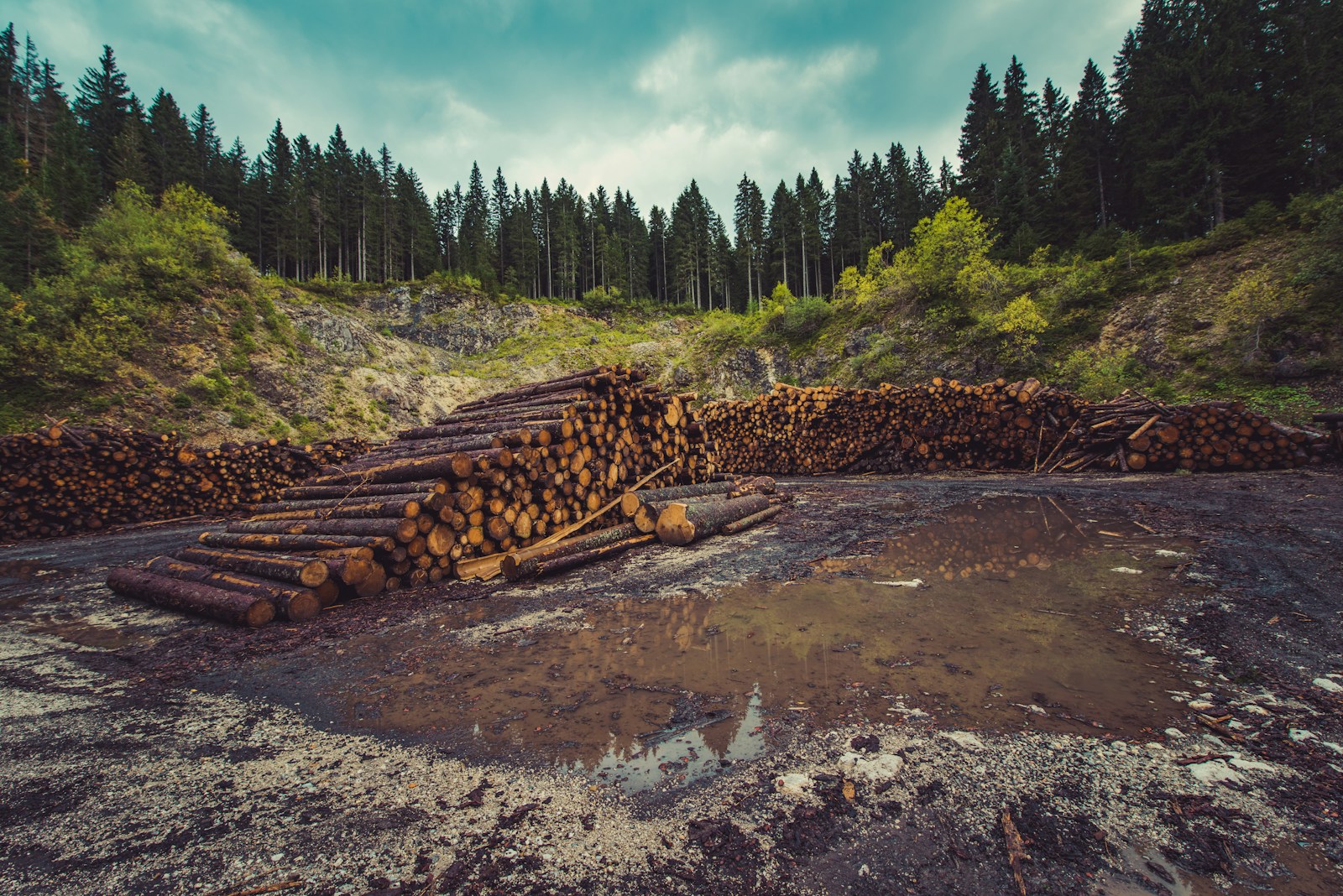
In many parts of the world, clear cutting vast areas of forest land is a common practice. Each year, an estimated 15 billion trees, covering thousands of square miles across the globe, are eliminated – often for purposes of logging, residential and commercial development, agriculture, or mining. While ostensibly economically beneficial, industrial deforestation can have far reaching environmental consequences.
Deforestation destroys habitat, reduces biodiversity, and can create conditions for soil erosion. Additionally, because trees store carbon dioxide, greenhouse gasses are released into the atmosphere when forests are destroyed. According to the World Wide Fund for Nature, about 10% of the effects of global warming are attributable to deforestation.
Estimates from the World Bank show that over 502,000 square miles of forest were eliminated globally over the 30 years ending in 2022, the latest year of available data. While many countries – including China, Russia, the United States, and many European Union member states – have reported an increase in forest land in the last 30 years, rapid deforestation in other parts of the world led to a net 3.2% decline in forest land. In many of these places, forest area will be completely gone within the next 200 years at the current rate of deforestation.
Using data from the World Bank, Climate Crisis 247 identified the countries driving global deforestation. We reviewed data on forested land area for all countries with available data, and ranked them on the absolute change in square miles of forest between 1993 and 2022, the most recent 30 year period of global data. Supplemental population data is also from the World Bank.
Among the 10 countries on this list, anywhere from 24,329 to 321,852 square miles of forest have disappeared in the last 30 years. On the low end, the total area of forest depletion reported in these places is roughly equivalent to the state of West Virginia. On the high end, lost forest land is roughly equivalent to the country of Namibia, which is about the size of Arkansas and Texas combined.
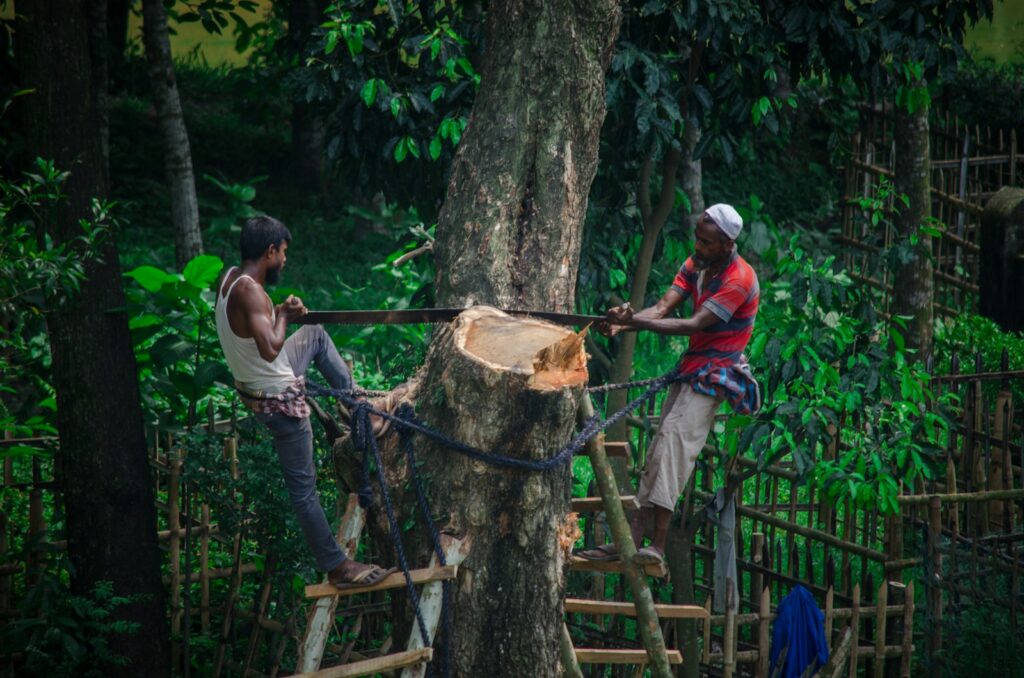
10. Argentina
- 30-year loss of forest area: 24,329 sq. miles (roughly the size of West Virginia)
- Average forest loss per year: 811 sq. miles (roughly the size of U.S. Virgin Islands)
- Est. year of complete forest depletion: 2153 (at current deforestation rate)
- Forest area by year: 133,808 sq. miles in 1993 (12.7% of land area); 109,479 sq. miles in 2022 (10.4% of land area)
- 30-year population change: +11.3 million people (+33.0%)
- Current population: 45.7 million people
9. Mozambique
- 30-year loss of forest area: 24,918 sq. miles (roughly the size of North Macedonia)
- Average forest loss per year: 831 sq. miles (roughly the size of Great Smoky Mountains National Park)
- Est. year of complete forest depletion: 2187 (at current deforestation rate)
- Forest area by year: 164,947 sq. miles in 1993 (54.3% of land area); 140,029 sq. miles in 2022 (46.1% of land area)
- 30-year population change: +18.6 million people (+132.4%)
- Current population: 34.6 million people
8. Bolivia
- 30-year loss of forest area: 25,395 sq. miles (roughly the size of Riverside–San Bernardino, CA metro area)
- Average forest loss per year: 847 sq. miles (roughly the size of Jacksonville, Florida)
- Est. year of complete forest depletion: 2248 (at current deforestation rate)
- Forest area by year: 220,054 sq. miles in 1993 (52.6% of land area); 194,659 sq. miles in 2022 (46.5% of land area)
- 30-year population change: +4.5 million people (+59.3%)
- Current population: 12.4 million people
7. Paraguay
- 30-year loss of forest area: 35,660 sq. miles (roughly the size of Maine)
- Average forest loss per year: 1,189 sq. miles (roughly the size of Yosemite National Park)
- Est. year of complete forest depletion: 2068 (at current deforestation rate)
- Forest area by year: 95,675 sq. miles in 1993 (62.4% of land area); 60,014 sq. miles in 2022 (39.3% of land area)
- 30-year population change: +2.4 million people (+55.0%)
- Current population: 6.9 million people
6. Myanmar
- 30-year loss of forest area: 38,413 sq. miles (roughly the size of South Korea)
- Average forest loss per year: 1,280 sq. miles (roughly the size of Big Bend National Park)
- Est. year of complete forest depletion: 2102 (at current deforestation rate)
- Forest area by year: 146,384 sq. miles in 1993 (58.0% of land area); 107,971 sq. miles in 2022 (42.8% of land area)
- 30-year population change: +12.3 million people (+29.5%)
- Current population: 54.5 million people
5. Tanzania
- 30-year loss of forest area: 44,274 sq. miles (roughly the size of Ohio)
- Average forest loss per year: 1,476 sq. miles (roughly the size of Glacier National Park)
- Est. year of complete forest depletion: 2135 (at current deforestation rate)
- Forest area by year: 217,275 sq. miles in 1993 (63.5% of land area); 173,001 sq. miles in 2022 (50.6% of land area)
- 30-year population change: +36.4 million people (+128.4%)
- Current population: 68.6 million people
4. Angola
- 30-year loss of forest area: 51,349 sq. miles (roughly the size of Louisiana)
- Average forest loss per year: 1,712 sq. miles (roughly the size of Grand Canyon National Park)
- Est. year of complete forest depletion: 2166 (at current deforestation rate)
- Forest area by year: 304,235 sq. miles in 1993 (63.2% of land area); 252,886 sq. miles in 2022 (52.5% of land area)
- 30-year population change: +22.8 million people (+177.8%)
- Current population: 37.9 million people
3. Indonesia
- 30-year loss of forest area: 86,654 sq. miles (roughly the size of Minnesota)
- Average forest loss per year: 2,888 sq. miles (roughly the size of Delaware)
- Est. year of complete forest depletion: 2140 (at current deforestation rate)
- Forest area by year: 437,707 sq. miles in 1993 (62.6% of land area); 351,052 sq. miles in 2022 (48.0% of land area)
- 30-year population change: +85.5 million people (+44.2%)
- Current population: 283.5 million people
2. Democratic Republic of the Congo
- 30-year loss of forest area: 95,205 sq. miles (roughly the size of Michigan)
- Average forest loss per year: 3,174 sq. miles (roughly the size of Yellowstone National Park)
- Est. year of complete forest depletion: 2169 (at current deforestation rate)
- Forest area by year: 573,786 sq. miles in 1993 (65.6% of land area); 478,581 sq. miles in 2022 (54.7% of land area)
- 30-year population change: +61.7 million people (+151.9%)
- Current population: 109.3 million people
1. Brazil
- 30-year loss of forest area: 321,852 sq. miles (roughly the size of Namibia)
- Average forest loss per year: 10,728 sq. miles (roughly the size of Massachusetts)
- Est. year of complete forest depletion: 2196 (at current deforestation rate)
- Forest area by year: 2,229,953 sq. miles in 1993 (69.1% of land area); 1,908,101 sq. miles in 2022 (59.1% of land area)
- 30-year population change: +53.5 million people (+34.1%)
- Current population: 212.0 million people