Humans Are Causing The Sixth Mass Extinction; Here’s What Were Losing
Remember the Dodo? That quirky flightless bird that once thrived in the thousands? It’s been gone for over a century. And what about the buffalo? The American West used to be home to hundreds of thousands of them until hunters nearly wiped them out in the 19th century. They were down to just a few thousand before conservationists stepped in. Today, there are almost 100,000 buffalo grazing again—a rare success story in a sea of losses.
But for every buffalo, there are dozens of species that weren’t so lucky. The passenger pigeon, the Irish Elk, the golden toad—all gone. And humans are the main culprit. From whales hunted nearly to extinction to countless other species, we’ve left our mark. And it’s only getting worse with climate change accelerating the damage.
The current estimate is that millions of species will die in the 21st Century. Here’s what researchers at UConn are telling us: if we stick to the Paris Agreement on greenhouse gas emissions, about 1 in 50 species worldwide—roughly 180,000 species—could face extinction by 2100. If we don’t do enough? That number jumps to 1 in 20 species.
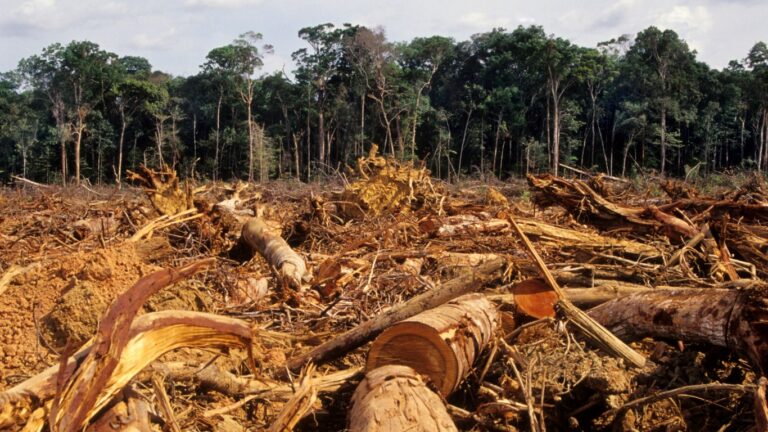
Welcome to what scientists call the Sixth Mass Extinction. Unlike previous mass extinctions caused by asteroids or volcanoes, this one’s on us. Climate change, habitat destruction, pollution, overfishing, invasive species—you name it, we’re causing it. Current extinction rates are already 100 to 1,000 times higher than what’s natural.
Scientists can’t predict with absolute certainty which species will disappear—it depends on what we do next in terms of conservation efforts, policy changes, and unexpected shifts triggered by climate change. But the data from groups like the International Union for Conservation of Nature gives us some scary projections. Right now, over 47,000 species are threatened, including more than 10,000 labeled as “Critically Endangered”—meaning they face an extremely high risk of vanishing from the wild.
The models are showing:
By 2050: We could lose 6-10% of plants and animals, possibly up to 20% in worst-case scenarios. The main culprits? Climate warming of 1.5-2°C and land-use changes.
By 2100: Things get even grimmer. We’re looking at potentially losing a quarter of all vertebrates, possibly up to 50% of all species if emissions stay high and we hit 4-5°C of warming.
Overall this century: More than a third of sampled species could be “committed to extinction”—about 1 million species total at risk.
To put that in perspective, the last mass extinction (the one that killed the dinosaurs 66 million years ago) wiped out about three-quarters of all species. But that took millennia. We’re doing this in decades.
Several Species Face Particularly High Risk
While broad predictions dominate, experts highlight species already on the brink which are defined as fewer than 1,000 individuals left. Out of 515 such “brink” species, these could be gone without intervention by 2050.
Below is a set of what are known as “high profile” species
The Vaquita (a marine mammal): Down to about 10 individuals. Could be gone by 2030 because they keep getting caught in illegal fishing nets.
Javan Rhino (a mammal): Only about 75 left, threatened by habitat loss and poaching. They might not make it past 2050.
Sumatran Orangutan (a primate): There are about 14,000 hanging on, but deforestation for palm oil plantations is destroying their homes. By 2100, they could be history.
Hawksbill Sea Turtle (a reptile): Numbers are dropping worldwide thanks to egg harvesting and coral reefs dying from warming oceans. Outlook: not great by 2050.
Saola (a mammal): Fewer than 750 of these mammals exist, hunted in Vietnam and Laos. No one’s even seen one since 2013. They might not make it to 2040.
The Yangtze Finless Porpoise (a marine mammal): With only about 1,000 individuals left, it is critically endangered and could disappear by 2050 due to pollution and overfishing.
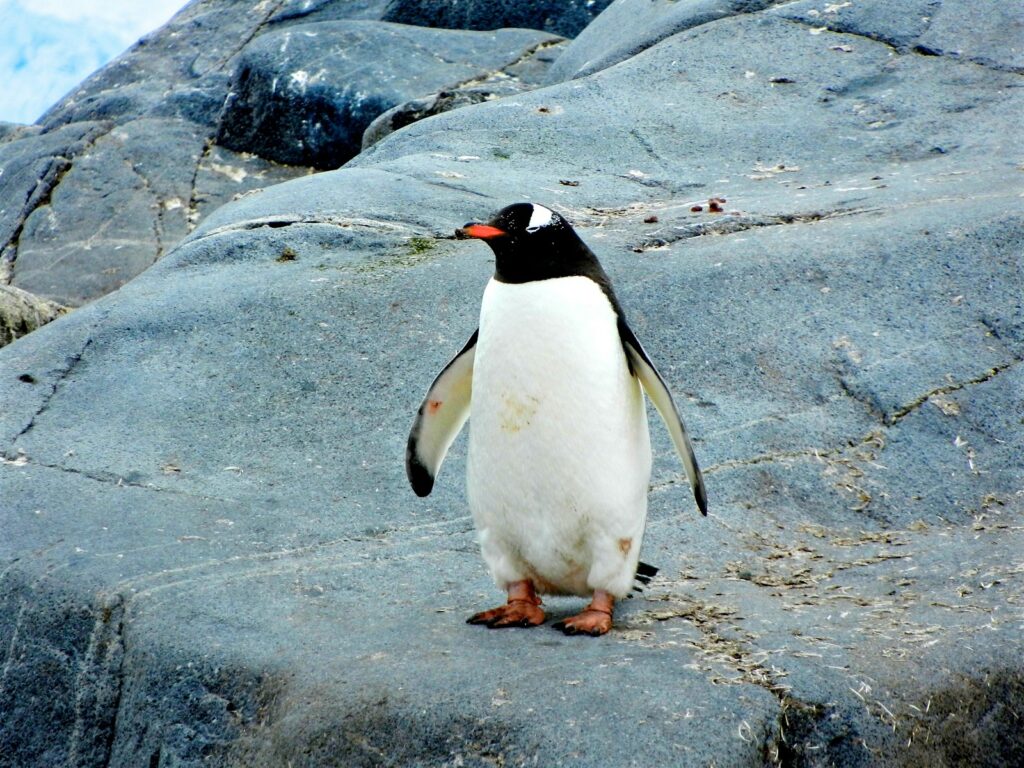
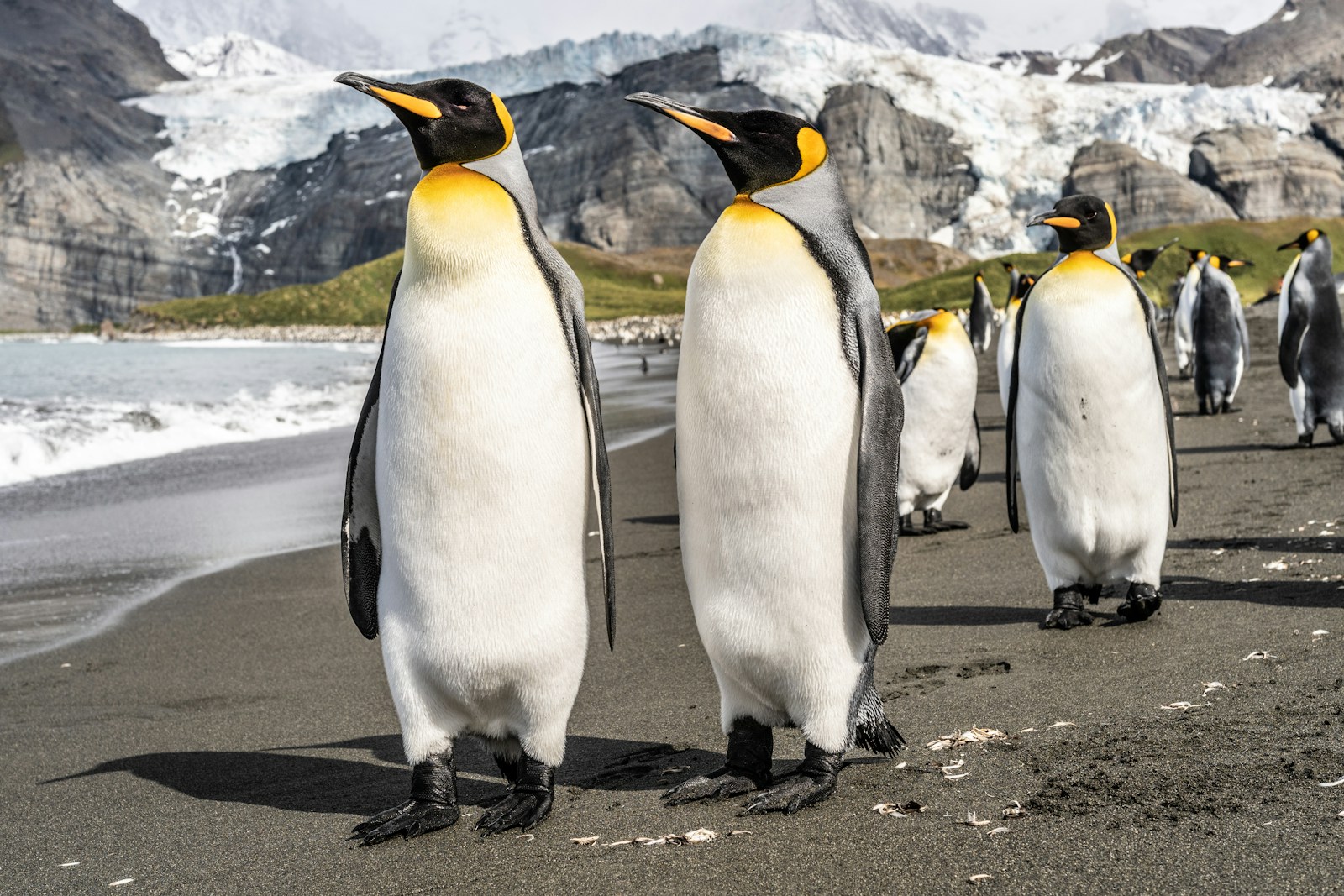
Emperor Penguins (bird): Right now they’re “Near Threatened,” but climate change is melting their sea ice breeding grounds. By 2100, we could lose anywhere from 19% to 99% of their population.
Cross River Gorilla (primate): Only about 250 individuals left in Africa, facing poaching and habitat destruction. 2050 is looking dicey.
Black Rhino (a mammal): The Black Rhino is down to about 6,000 individuals, and with poaching for their horns continuing and their naturally slow reproduction rate, they could be gone by 2100.
Cat Ba Langur (a primate): Only 60-70 Cat Ba Langurs remain in Vietnam, where habitat loss and hunting could wipe them out by 2050.
Birds and mammals get most of the attention, but invertebrates—especially insects—are suffering silently, with up to 40% potentially at risk.
Here’s what might slow this progression:
Cut emissions: If we can limit warming to 1.5°C by meeting Paris Agreement commitments, we could cut projected losses in half.
Protect habitats: Expanding protected areas to cover a third of all land and ocean by 2030 would give species refuge.
Stop exploitation: Banning harmful wildlife trade and switching to sustainable fishing practices would ease the pressure.
Restore ecosystems: Regrowing forests and restoring wetlands can help prevent those cascading co-extinctions.
Sponsor
Find a Vetted Financial Advisor
- Finding a fiduciary financial advisor doesn't have to be hard. SmartAsset's free tool matches you with up to 3 financial advisors that serve your area in 5 minutes.
- Each advisor has been vetted by SmartAsset and is held to a fiduciary standard to act in your best interests. Get on the path toward achieving your financial goals!