Nations That Control The World’s Oil
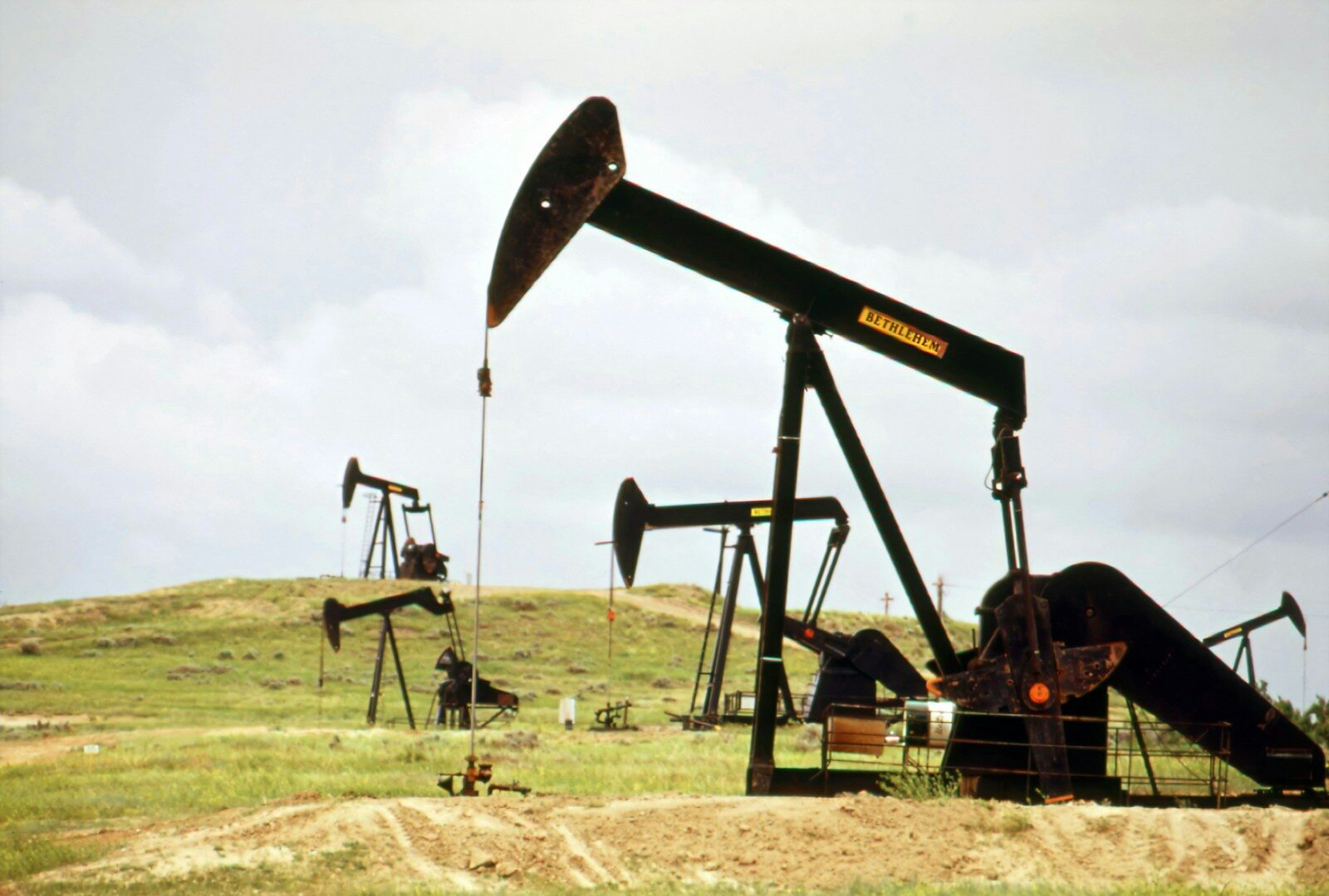
Oil exploration, transportation, and refining involve several stages before crude oil becomes gasoline, jet fuel, heating oil, or petrochemicals. One of the earliest and most consequential stages is export.
Some nations produce more oil than they consume and are therefore net exporters. The United States is one of them. According to the EIA, U.S. crude oil production reached a record average of 13.4 million barrels per day (b/d) in August 2024. After decades of relying on imports — particularly from the Middle East — the U.S. achieved energy independence in 2019 for the first time since 1957, according to the Institute for Energy Research.
The amount of oil a nation holds underground or beneath the ocean floor is called “proven reserves.” Venezuela holds the largest proven reserves in the world by a wide margin, but due to its government instability, international sanctions, and aging infrastructure, it does not rank among the top ten producers. The U.S., by contrast, ranks ninth in proven reserves globally. Russia ranks eighth in reserves and remains the second-largest exporter in the world, despite severe sanctions stemming from the war in Ukraine.
Oil exports can be measured in several ways, most commonly by dollar value or barrels per day (bpd). This article uses the barrels-per-day figure because, unlike dollar value, it is not affected by exchange rate fluctuations. It is also worth noting that export statistics are not always consistent — some figures include partially refined petroleum products, while others count only crude oil.
Oil production does not always equal export capacity. The ongoing Iran war has made this starkly clear. Large quantities of oil that have technically been “exported” are sitting in tankers, in some cases for weeks, with no clear destination. Depending on how the conflict unfolds, that oil could remain stranded far longer. This supply disruption is the primary driver behind the current spike in oil prices: West Texas Intermediate (WTI) is now trading at $105 per barrel, up from $57 at the start of the year. Compounding the problem, some Middle Eastern producers have exhausted their export storage capacity. Kuwait has begun cutting production due to a lack of storage space, and Saudi Arabia recently reduced output by 20% for the same reason.
The data in this article was drawn from Trading Economics, The OPEC 2025 Annual Statistical Bulletin, Energy Digital, TradeInt, the EIA, “Petrochemexpert Engineering”, and The World Factbook.
The supply crunch also poses serious risks for the world’s largest oil importers — China, India, Japan, South Korea, Germany, Spain, and Italy — none of which are major exporters. If the flow of oil from the Middle East is disrupted for an extended period, there is no straightforward solution for meeting their energy needs. Some countries have already begun taking precautionary measures. According to Reuters, South Korea is considering extending driving restrictions to the general public if global oil prices continue to rise, as authorities work to curb energy demand amid tightening supplies.
The largest importers are China, India, Japan, South Korea, Germany, Spain, and Italy. There is no ready way to solve their supply problem if the flow of oil from the Middle East is blocked for months.

The World’s Top 10 Oil Exporters
Saudi Arabia — Approx. 6 million bpd The world’s largest oil exporter, Saudi Arabia ships approximately 6 million barrels per day of crude oil — though those exports have been severely disrupted by the Iran war.
Russia — Approx. 4.5 million bpd Despite facing extensive international sanctions over its invasion of Ukraine, Russia remains near the top of the list, sustained by export agreements with China, India, and other nations.
United States — Approx. 4.1 million bpd The top crude oil producer in the world, the U.S. exports more than most countries while still consuming more than it exports overall.
Canada — Approx. 3.6 million bpd Canada exports primarily heavy crude and bitumen, the vast majority of which goes to the United States.
United Arab Emirates (UAE) — Approx. 2.7 million bpd A key OPEC member with well-developed export infrastructure, the UAE ships a large share of its oil to Asian markets. Exports have also been disrupted by the Iran war.
Iraq — Approx. 3–4 million bpd Iraq does not publish official export statistics, so this figure is an informed estimate.
Norway — Approx. 1.7 million bpd One of the most significant non-OPEC exporters, Norway draws on its vast North Sea reserves.
Nigeria — Approx. 1.5 million bpd A major African exporter, Nigeria is known particularly for its lighter sweet crude.
Kuwait — Approx. 1.2 million bpd Kuwait exports a high percentage of its total production.
Brazil — Approx. 1.2 million bpd Brazil’s exports rely heavily on offshore pre-salt oil fields.