States Running Out of Electricity
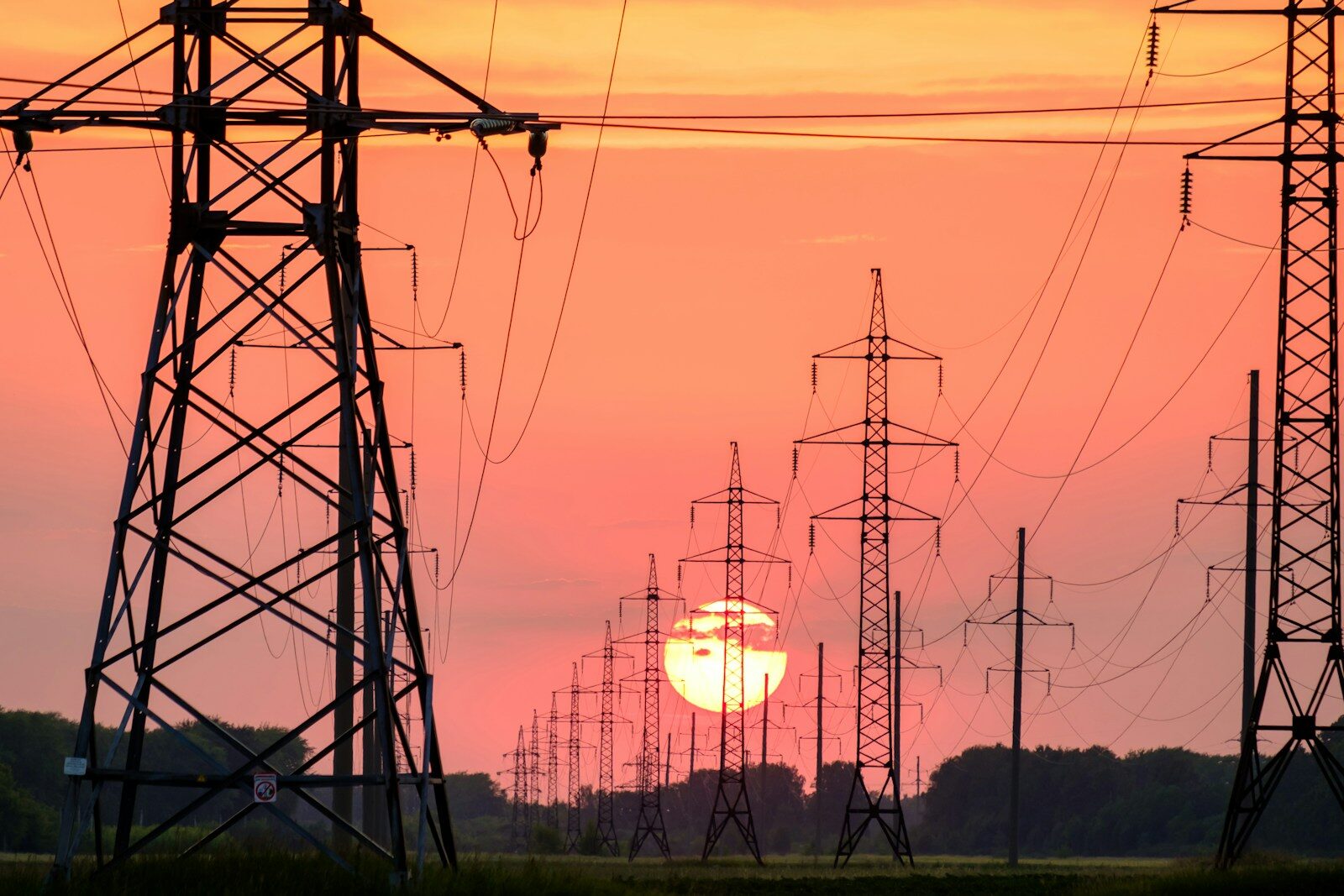
The headline may seem sensational, but the threat is real. In some regions of the US, the electrical grid is strained to the point where a surge in demand — or a disruption to an already fragile system — could trigger widespread blackouts. As air conditioning use rises with global warming and hundreds of billions of dollars pour into AI data centers, parts of the nation’s power infrastructure are teetering on the edge.
One persistent challenge is transmission infrastructure. The Northeast blackout of 2003 is a case in point: it was caused by overloaded transmission lines. Sean O’Leary, CEO of electricity tracking firm Genscape, noted that “in the first minute — between 4:09 and 4:10 p.m. Eastern time — power plants hundreds of miles apart in three different states began tripping offline as the grid became unstable.”
The Texas blackout of 2021 nearly brought the state’s entire electricity system down. The catastrophe killed 300 people and left 4.5 million homes and businesses without power from February 1 through February 27. Massive winter storms triggered the initial crisis, but the deeper problem had long been identified. According to Bloomberg, federal regulators had warned Texas a full decade earlier that its power plants could not be relied upon in extreme cold — a warning that went unheeded. Much of the system lacked proper insulation and had insufficient capacity to handle sharp spikes in demand, a vulnerability also flagged in NERC’s Summer Reliability Assessment of June 2019.
Rising temperatures are compounding the risk. As global warming drives up air conditioning use, the strain on the grid intensifies. Temperatures in Western states were 30 degrees above normal just two weeks ago — exactly the kind of spike that threatens grid stability in summer months. The Environmental and Energy Study Institute, in a report titled “Heat Waves Make the Grid Less Reliable,” warned that “as temperatures rise, more air conditioners are turned on, resulting in increased power demand, which can push the grid to the edge. The worst-case situation is a widespread outage, when power plants are unable to keep up and hundreds of thousands of people are forced to endure heat without electricity.” Air conditioning already accounts for roughly 12% of household electricity consumption in the US, costing homeowners approximately $29 billion annually, according to the Department of Energy.
AI data centers have emerged as a major new source of demand in just the past two years. Tech giants including Microsoft, Google, Amazon, and OpenAI — along with financial firms providing capital — have committed hundreds of billions of dollars to building them out. The Penn State Institute of Energy and the Environment reports that data centers consumed 4.4% of US electricity in 2023, a figure that could triple by 2028. Politico projects the share could reach as high as 17% by 2030. The Department of Energy was blunt in its Resource Adequacy Report last year: “The magnitude and speed of projected load growth cannot be met with existing approaches to load addition and grid management.”
The US electrical system is not a single unified network but a patchwork of regional grids. Drawing on data from Energy Central, Reuters, the NERC’s 2025–2026 Winter Reliability Assessment (WRA), the U.S. Energy Information Administration, the U.S. Department of Energy, and regional energy assessments, we identified the states and regions most at risk in 2026.
These Are the States and Regions Most at Risk in 2026
Texas (ERCOT)
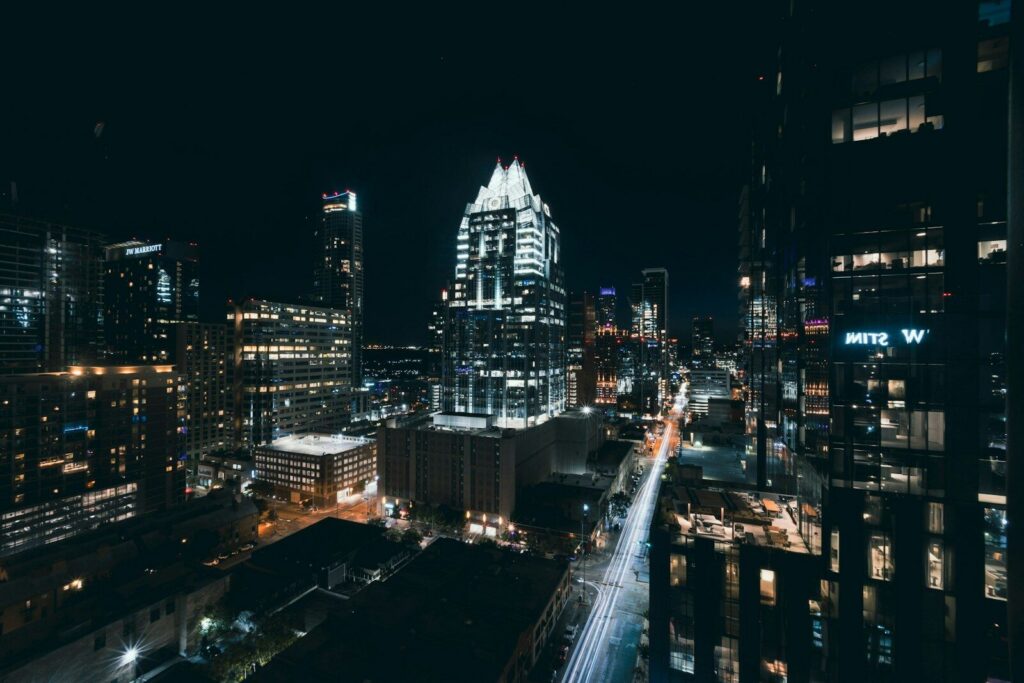
Frequently cited as carrying the highest risk, Texas operates on an isolated grid and faces surging demand from both air conditioning and AI data centers, compounded by the threat of severe storms. ERCOT has officially warned that demand could exceed supply as early as this summer.
California
Faces transmission vulnerabilities and wildfire-related outages. While the state has added renewable capacity, much of it has not yet been connected to the grid.
Midwest — MISO states (Illinois, Michigan, Indiana)
Contending with rapid demand growth, the retirement of coal and nuclear generators, and the risk of extreme cold given their position in the northern tier. Heavy manufacturing activity near Detroit adds further pressure.
Northeast/New England (Massachusetts, New York)
Natural gas pipeline constraints create vulnerability during winter cold snaps, and demand growth is adding pressure to an already stressed system.