
Clean Energy Growth To Cost $8.6 Trillion
A new study shows that meeting global green energy goals will cost $ 8.6 trillion by 2030. Nations have pulled back commitments. The private sector has advanced slowly
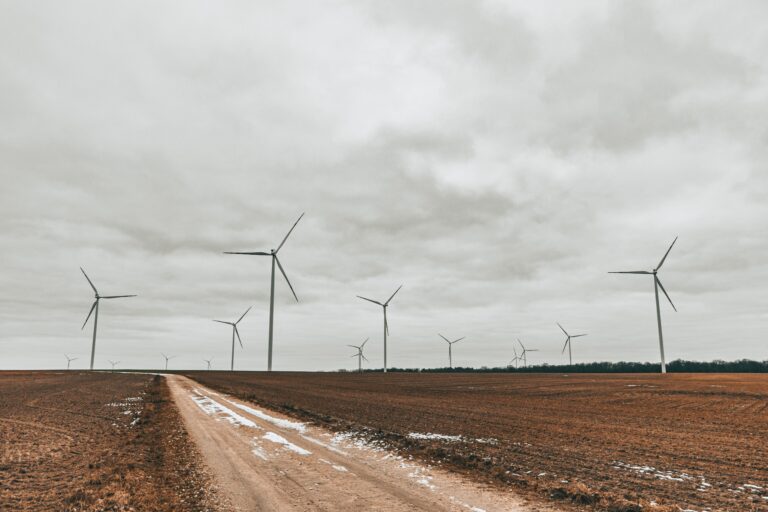
A new study shows that meeting global green energy goals will cost $ 8.6 trillion by 2030. Nations have pulled back commitments. The private sector has advanced slowly
Trump has effectively stopped most offshore wind projects. That movement is moving to onshore projects. With rising need for electricity, the US is in an energy bind
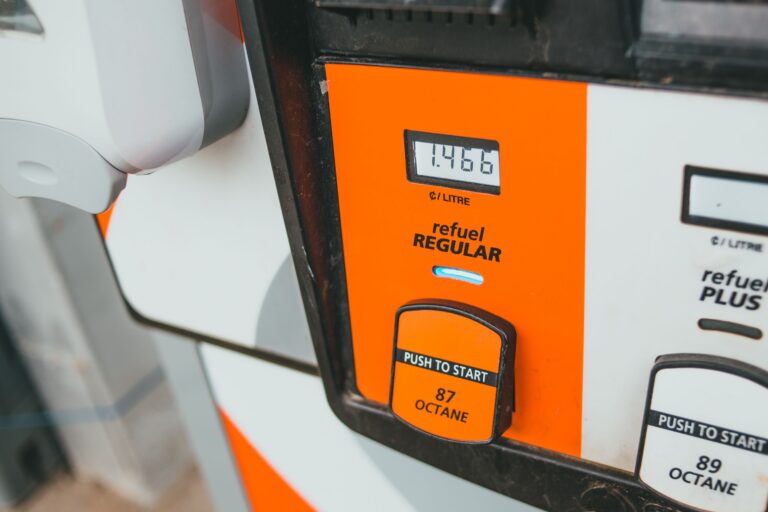
GasBuddy showed another large jump in gas prices in the last week. They are now up 41% in a year. And, based on the lack of renewables and low oil reserves, the number will keep rising.
AI data centers have run into state and local opposition. Almost 500 have been delayed. Building them may become ever more difficult as the movement to stop construction grows. Trump may have a solution. Build them on federal land.
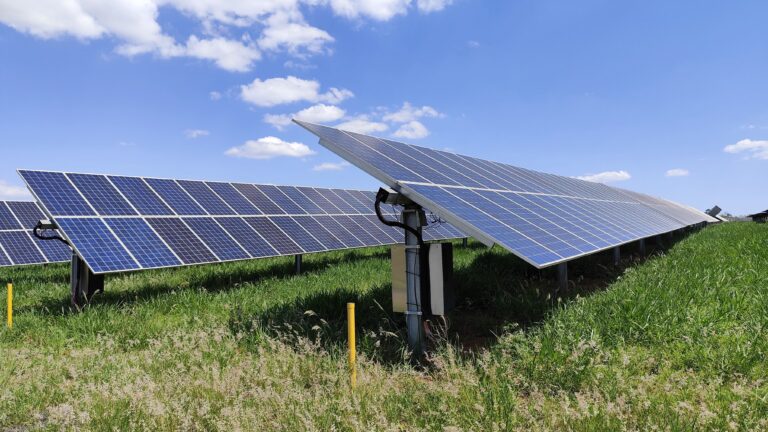
The number is up 5% from the first half of last year. AI data centers cannot get enough electricity from fossil fuels. This may finally cause a surge in investmnt.

The Stargate data center in Texas uses as much electricity as a city of 30,000. Data center builders plan to have hundreds of new data centers in the next three years. No one knows where the electricity for these will come from.

The USA Today wildfire smoke map shows that this smoke covers much of the eastern US. One factor is that the smoke is so light that people cannot see it. However, it remains a health hazard even at those levels.
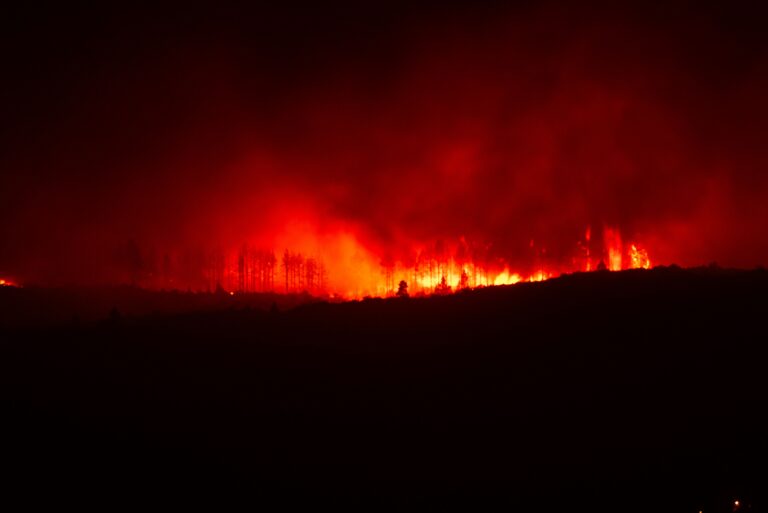
22 major wildfires are burning in the US right now. Almost all are in the West, which has suffered from extreme drought this year. One byproduct is that wildfire smoke continues to move toward the East Coast
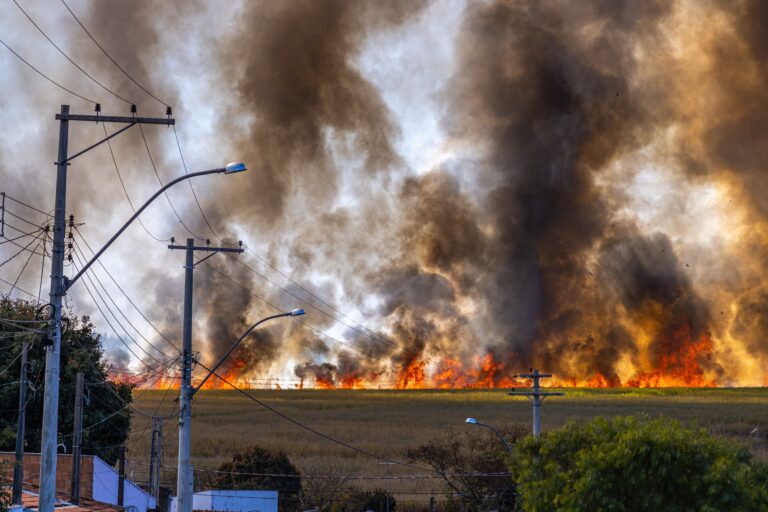
The figure is a record. So is the count of 56,000 The problem is not just local. Smoke can move hundreds of miles causing health hazards
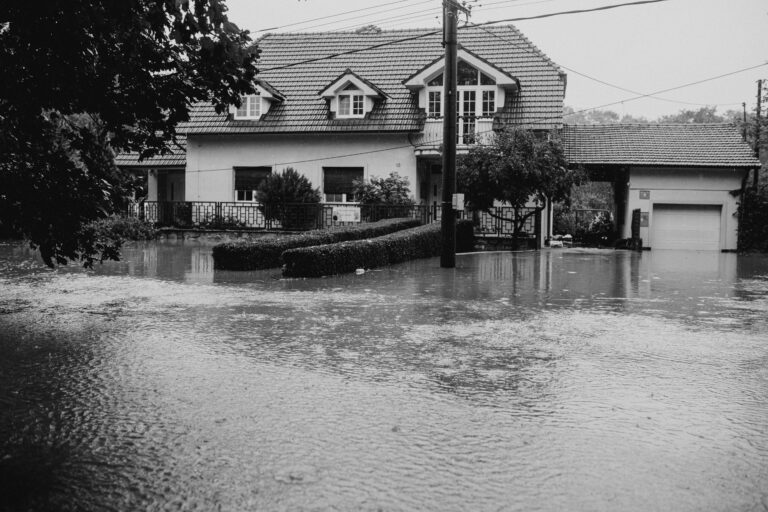
Homes continue to fall into the ocean in North Carolina. Matters are worse. FEMA will not provide any insurance.
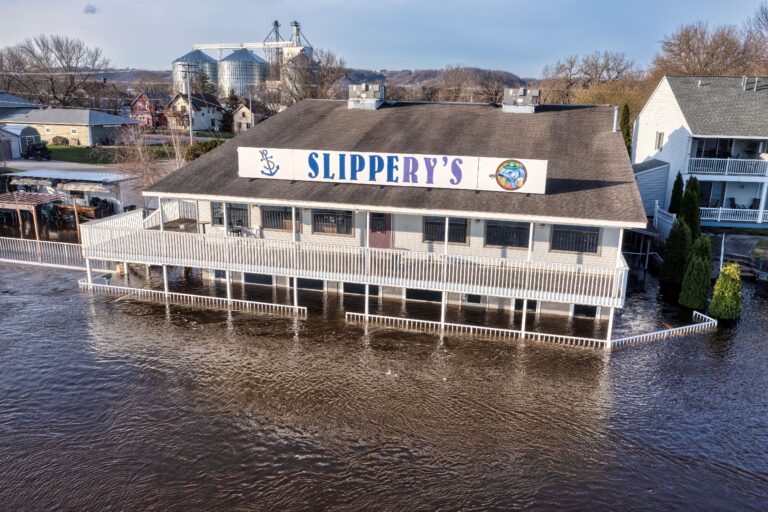
Rising seas and rain from inland are pushing some California homes into the Pacific Ocean. The solutions would cost billions of dollars, if they work at all.

Libya has the lowest gas price per gallon in the world. It is a poor nation. The country has more oil than any other in Africa. It uses some of that money to offset what its citizens pay.

The uranium and nuclear stocks index has dropped 27% this year. Building new plants costs more than expected. Construction and regulatory issues take longer.

There have already been 57,000 wildfires in the US this year. These have burned 8.5 million acres. Both are records. Based on drought patterns and high temperatures, the chance that 2026 will also set records is very high.

Oil from the Gulf has begun to shift toward a very small fraction of the traditional supply. Stockpiles in the US are falling and are at troubling lows in Asia and Europe. All this means crude prices are soaring and will stay high. Meanwhile, AI data centers are hungry for energy. Renewables have never had…

Many people think EVs are too expensive. And they are more expensive than gas-powered cars. EVs under $40,000 are in demand. Tesla’s Model Y is considered affordable at about $38,000. And Tesla has clawed back US market share after a big drop in the last two years. One area where is also needs to compete…

Because Anthropic is not a public company, it is hard to say how much electricity it uses, largely because it leases data centers. It is also impossible to say how much of what it does use is green

It may seem odd. When a data center is banned, electricity demand drops. The need for fossil fuels to generate electricity drops. Fossil fuel prices fall because demand drops. Green energy prices become less attractive.

There is not enough oil and gas. That won’t change soon. The problem is made worse by the lack of renewables and the fact that some of this energy isn’t connected to the grid. Without those renewables, there’s nothing stopping the oil increase. High fuel prices kill the economy.

The Federal Reserve raised rates. It may do that twice more before the end of the year. Many renewables projects are considered risky investments. Raising money in a high-interest-rate environment is hard.
A new, extensive S&P report on the world’s energy needs over the next few decades says that keeping temperature increases below 2 degrees C above pre-industrial levels will be almost impossible. The question is how much can be done to limit the upside risk.