
105 EVs sold In US Every Hour
The figure seems like a lot. It isn’t. During the same hour, 1,800 gas-powered cars are sold. The figure is also a huge difference between China and Norway, where EV sales dominate the market.
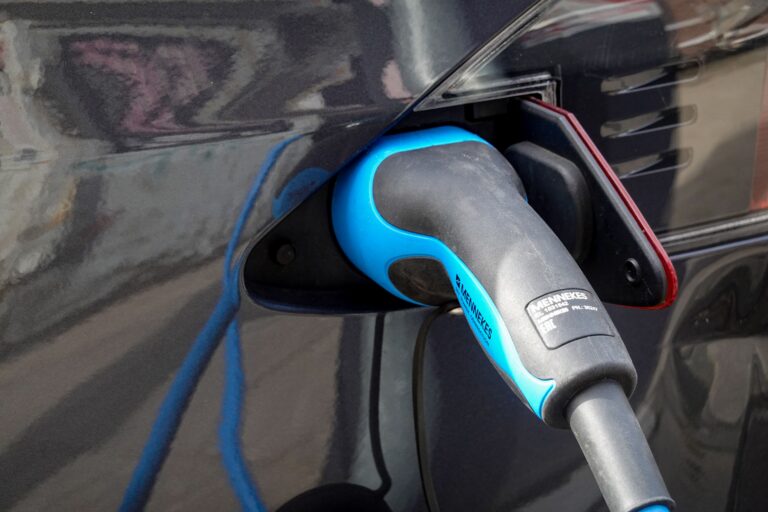
The figure seems like a lot. It isn’t. During the same hour, 1,800 gas-powered cars are sold. The figure is also a huge difference between China and Norway, where EV sales dominate the market.

The Arctic is warming at four times the rate of much of the rest of the world. The pace is so fast that most of the ice has melted. This makes it an ideal route for cargo ships, including those carrying oil, to move from one side of the Earth to the other.

Tesla sold 486,532 vehicles in the third quarter. The unexpected growth could be due to one or both of two reasons. Elon Musk’s political association with the Trump Administration has ended. Or EV sales are rising again, particularly in its home market–the US

Europe recorded 34,000 heat-related deaths this summer, based on an average of several studies. How many died in the US? The research has a weakness because death certificates are not always accurate. With the number of American heat domes, the count has to be in the thousands. And the US is getting hotter most summers.

Ford said it would exit the EV business. Proof that these are really gone is that it sold only 289 of its EV flagship, the F-150 Lightning, in the third quarter. This shows that fossil-fuel car companies have abandoned EV expansion plans. In addition, EV sales in America dropped by about 20% in the first…

The figure is a year-to-date record. The reasons? The U.S. Drought Monitor shows how widespread drought is across America. And 400 towns and cities set record highs this year.

Big oil companies are being sued by states, cities, and counties. The claim is that their products have caused billions of dollars in environmental damage. The suits also claim that scientists who work for these companies knew about the damage and kept it secret. Some people think this looks like the Big Tobacco industry suits,…

The US has had 57,000 wildfires this year. That’s a record. Why? Very high temperatures. Over 400 cities and towns have topped records this year. The other is drought. The U.S. Drought Monitor shows an unprecedented level in many states.

No Atlantic hurricanes have hit the US this year. Hurricane season ends in two months. El Niño may keep hurricanes out at sea all year.
Much of the increase in electricity demand across the US has been driven by the rise of EVs. As sales have collapsed, this increase has disappeared. The good news is that AI data centers will have less competition for supply, which should help residential rates. The bad news is that the car industry is not…

Major wildfires are a significant danger to firefighters. Drones can already be used for local fires, but that helps less and less as fires grow. Up until recently, robots were clumsy. That has changed, and they are ready for the field

Wildfire smoke contains toxic materials, often metals. People can inhale them, and they can stay in their lungs for long periods. This is a dangerous health hazard. This shows how weather events can cause lingering problems.
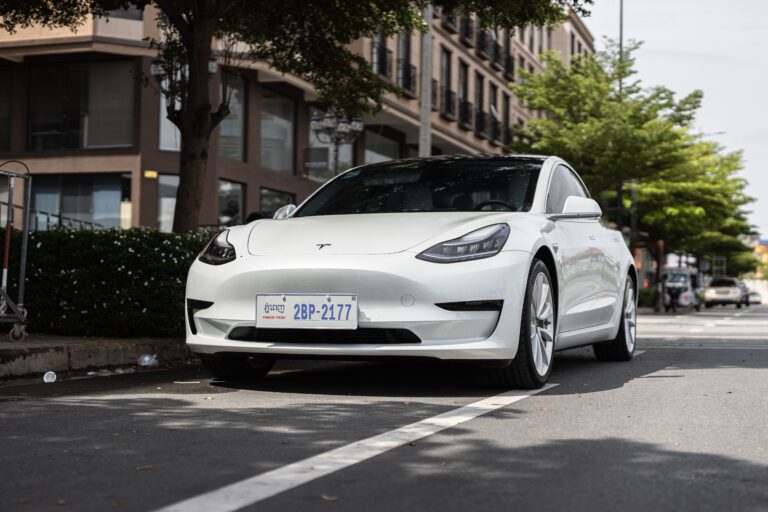
A new study that covers every major car driven in America shows that Tesla has a generally safe record based on 100,000 miles driven. Tesla crashes make the news, but what you see isn’t always accurate.

Drought and rain are already cutting wheat, sugar, and cocoa crop yields. This is driving inflation and causing widespread starvation. And El Niño will worsen the problem. The US is worried about inflation due to oil prices. Food will push CPI to levels last seen three years ago.

The resistance to AI data centers has hardened so much that at least 500 have been delayed. Politicians are running on platforms to block them because of widespread resistance. For now, fewer data centers mean less electricity use. Less electicity means lower use of greenhouse gases

Trump has decided the government will not regulate AI. The industry will be self-regulating. The faster new models are released, the more energy they require to train. Corporations are also the primary users of these advanced models. To support adoption, data centers will need to be built more quickly. And that means more greenhouse gases…

Under President Biden, car companies were to average 50 MPG across their fleets. Trump has rolled that back to 34 MPG. Transportation is the No. 1 source of greenhouse gas emissions. The new plan means green goals across America will be harder to reach
New data show that Miami real estate prices jumped sharply in July. They rose 3.5%, compared with 1.5% nationwide, year over year. It appears the lure of lower taxes outweighs the risk of dangerous weather.

Over the last 20 years, global electricity use rose, but not sharply. AI has changed that. In the US and China, the world’s two largest greenhouse gas emitters, AI is consuming huge amounts of electricity, and that will soar. It is inevitable that the world’s climate goals will be undermined.

BP, Chevron, Exxon Mobil, Shell, and TotalEnergies are expected to post $53 billion in profits in the second quarter. Oil prices and refining crude into gas, diesel, and heating oil drive these profits. And their exploration activity remains down. They are not drilling while they can make money on current supply. These profits suggest energy…

A new study shows that China accounts for 30% of the world’s greenhouse gas emissions. That is more than the next two nations, India and the US, combined. China has made progress on green energy, particularly in solar. However, it still burns huge amounts of coal. And the growth of AI data centers will make…