
US Sells $320 Billion Of Fossil Fuels
The US may not be the No.1 greenhouse gas emitter. However, our fossil fuel sales help other nations become major polluters.
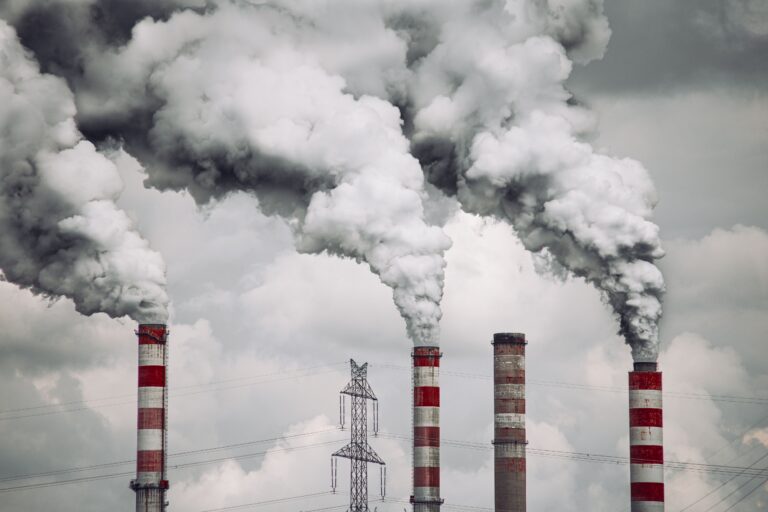
The US may not be the No.1 greenhouse gas emitter. However, our fossil fuel sales help other nations become major polluters.
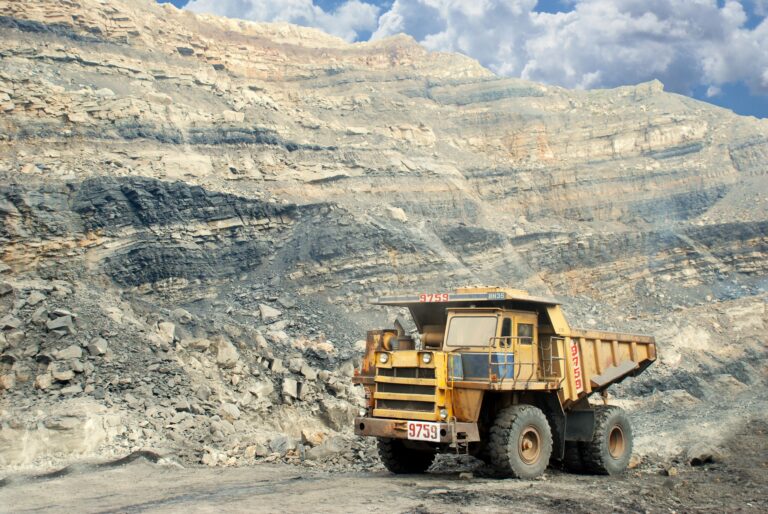
The US will sell China 10 million metric tons of coal in both 2027 and 2028. China still remains the top user of fossil fuels and the largest emitter of greenhouse gases. Despite improvements in solar and wind use, China cannot keep up with electricity demand. The US is willing to pay to help it…

Another warning suggests greenhouse gas emissions could make part of the world uninhabitable by 2050. Temperatures are rising much faster than expected. China is making enough progress that it could cross over in three decades. Will other nations do the same, or face extremely dangerous weather outcomes?

Gas prices in California are about $1.20 higher than the national average. Gas taxes are high. Chemicals are added to make the gas “cleaner”. And there are few refineries. However, while the state could adjust some of these factors, oil prices keep rising.

The Maldives is an independent nation spread across many islands. It has 600,000 residents. At its highest point, it is 10 feet above sea level. Rising seas and tsunamis will eventually cause all its residents to leave

Most nor’easters cause blizzards because they come in the winter. Today’s nor’easter is different because it has come so early in the year. In March 1888, one hit the area in and around NYC. Over 400 people died in the deep snow or from exposure. Many who died were sailors caught on ships.

A huge nor’easter continues to hammer the area from New Jersey to Boston. Here in Stamford, CT, we are seeing heavy flooding, drenching rain, and wind gusting to 60 MPH
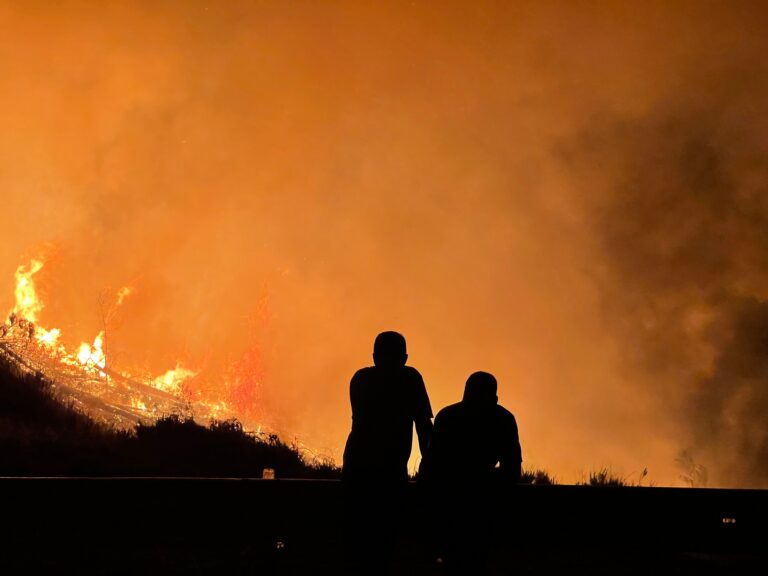
A record number of wildfires destroyed 8.6 million acres in America this year. The problem is a mix of extreme drought and heat. Climate change makes sure neither goes away.

I’m inside the Nor’easter on the Connecticut coast. Winds are 60 MPH and we expect 4 inches of rain and major flooding. Climate change has warmed the Atlantic, which is one reason the storm is so strong.

They are called “hypermilers”. They have at least four ways to cut your car’s gas use by up to 30%, which can save hundreds of dollars a year. Accelerate slowly. Brake slowly. Take your foot off the gas when you are going downhill. Drive at 60 MPH, not 70 MPH
EV sales as a percent of total new car sales are lower in the US than in any other large nation. At 6%, they are nearly half that level from the same quarter last year. The reason is the end of the $7,500 EV tax credit. Additionally, Americans don’t like the short range of EVs…

As of yesterday, the US has had 78,000 wildfires this year. That is a record year to date. The reasons are simple. Heat and drought, both caused by climate change.
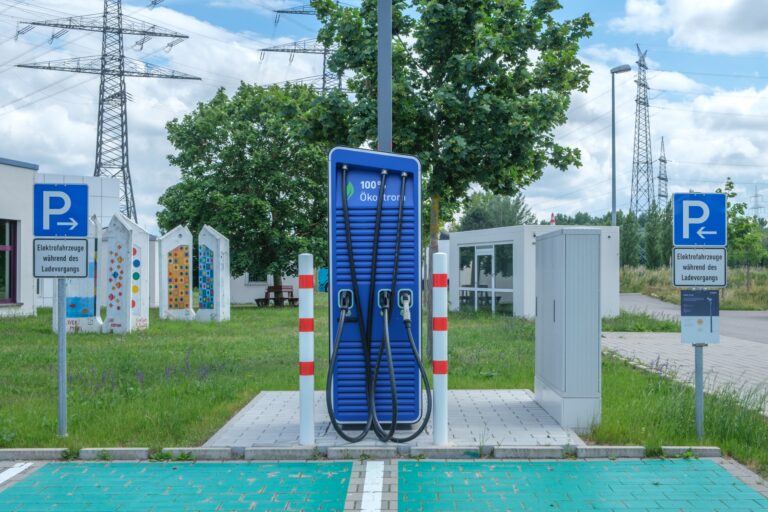
EVs were only 6% of all new car sales in the third quarter. That is down from over 10% in the same quarter a year ago. The primary reason is that the $7,500 federal tax credit is gone. And nothing else has gotten better. EVs still have ranges that are usually below 300 miles. Also,…
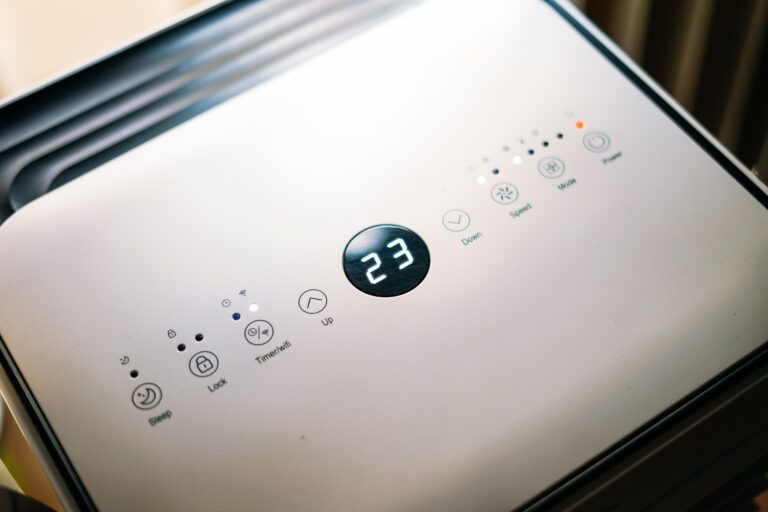
Global air-conditioning and fan costs have risen to about $600 billion a year. They use as much as 10% of all electricity produced. Because of global warming, that number will go higher. And AI data center expansion has started to use even more. That means global electricity demand will rise faster than supply. It means,…
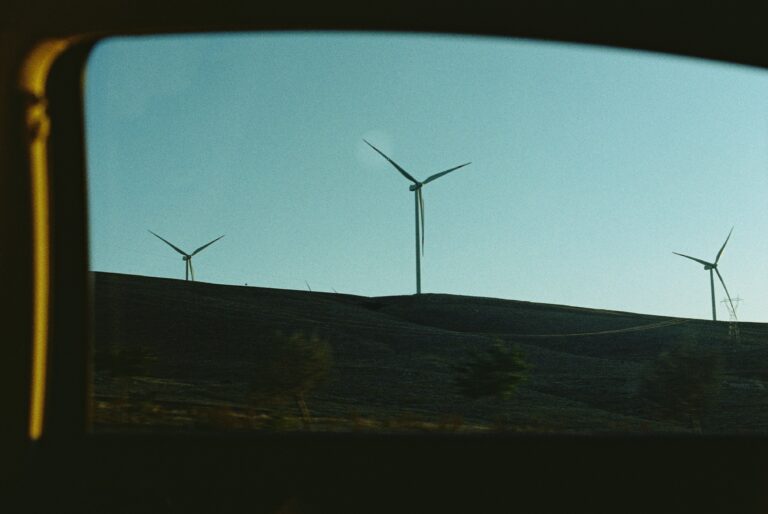
Some renewable energy projects are in the early stages of development. In most cases, that means they have to take on debt. With 5% interest rates, their borrowing costs can be much higher. That’s a hurdle many investors won’t accept.

There is no clear solution for protecting outdoor workers from extreme heat. There are new laws and ordinances. However, productivity is often undermined. One solution is to have people work at night. The challenge is to get workers to agree.
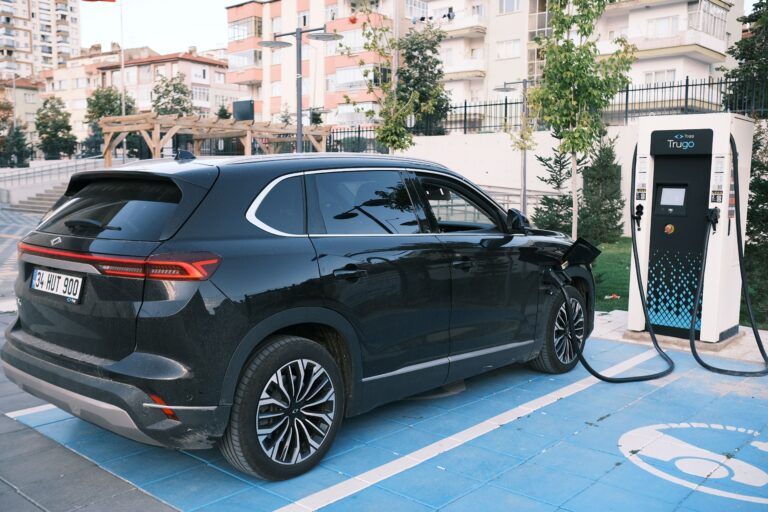
The average price for a gallon of regular gas in the US is $4.43. The average across Europe is about $10. EV sales in the region surged 52% year over year in August. The question for the US EV industry is whether gas prices here will keep rising. If so, will America’s EV sales increase?…

At least nine states are using cloud seeding to produce rain. It is a costly solution. To some extent, that’s because planes are expensive. Much less expensive drones have started to solve that problem. It may be a path to helping the West, where the drought crisis has lasted for years.

Between 2025 and 2032, the cost of building AI data centers will reach $10.3 trillion. That is more than Germany’s GDP. Their energy needs will be staggering. The chance that renewables can keep up is extremely low. That means the need for natural gas and coal will rise, and probably rise at a record pace.
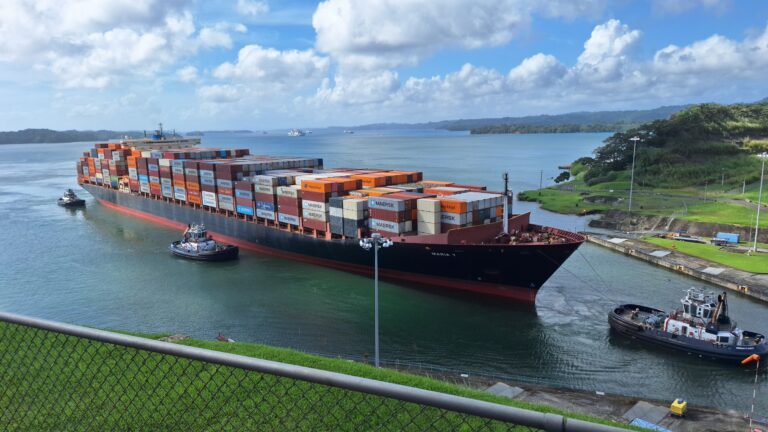
The cost for a large cargo ship to go through the Panama Canal has risen to $5 million, partly because of the blockade of the Strait of Hormuz. The other reason is climate change. Drought in the area around the canal has partially dried up the rivers that feed it. That means fewer ships, particualrly…
California and New York are suing the Trump Administration, claiming it used taxpayer dollars to stop several offshore wind projects. On another note, Trump has done a great deal to help oil and coal financially.