The Most Polluted Lakes in the United States
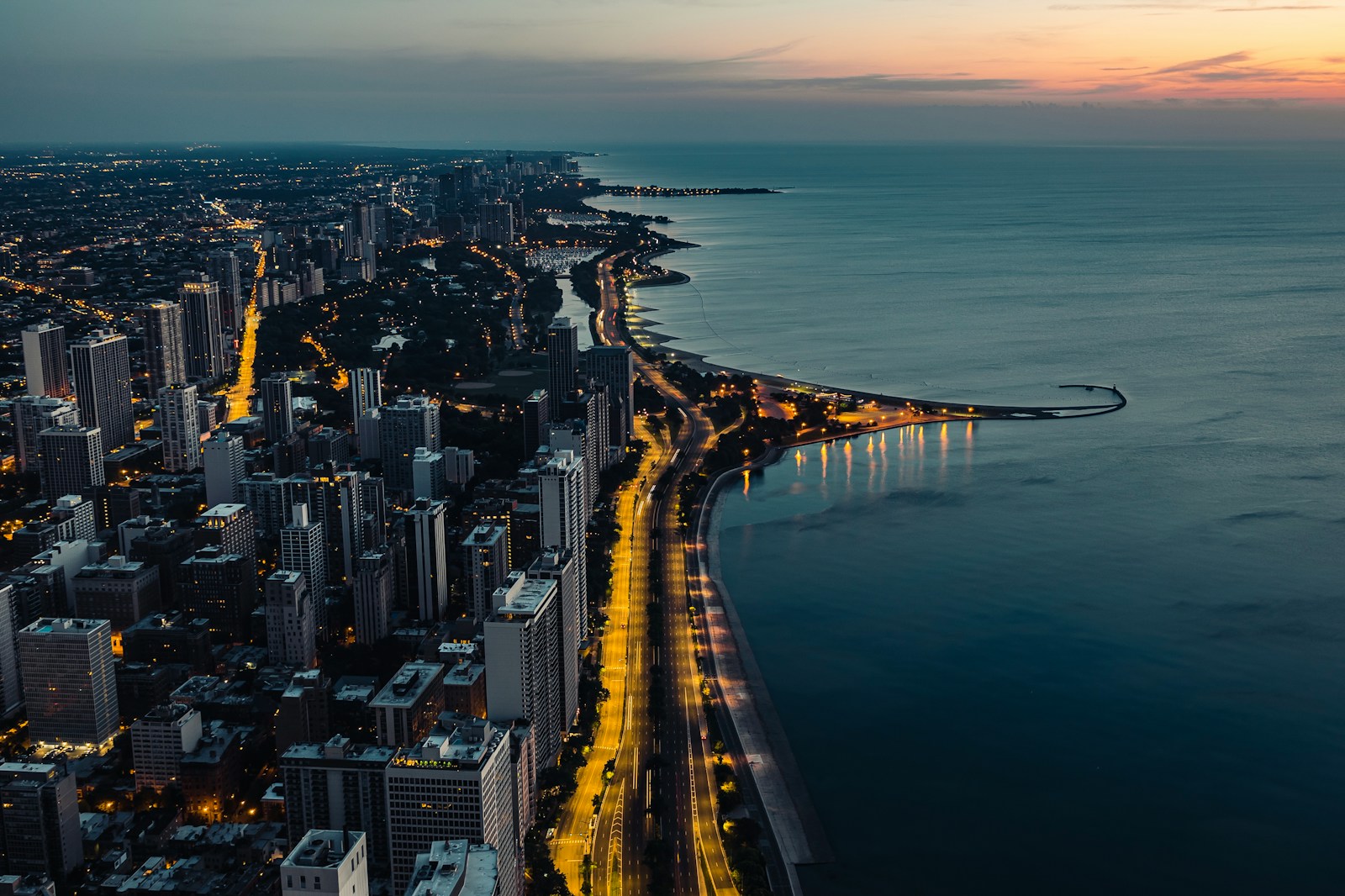
The U.S. was once known for its pristine lakes. Believe it or not, people could actually drink straight out of Lake Erie at one point. But by the 1960s, it had become one of the most polluted lakes in the world.
Industrial companies along the rivers feeding into the lake were literally dumping chemicals directly into the water. While things improved over the decades, runoff from fertilizer at the western end of the lake has caused cyanobacteria (blue-green algae) blooms that can spread all the way east to Cleveland.
Pollution in U.S. lakes comes mainly from three sources: agricultural runoff (especially phosphorus), industrial waste (think mercury and lead), and untreated sewage. Based on the latest data from December 2025—including the 2025 Lake.com report analyzing EPA data from 2020 through July 2025, which covers 46 large lakes, plus info from the EPA’s National Lakes Assessment—we’ve identified the most polluted lakes in America. These aren’t ranked in order because they’re dealing with different types of pollution problems.
Looking ahead, there’s real concern about cutbacks in cleanup efforts, including potential major reductions in EPA funding. According to a Penn Environment review of plans to clean up the Great Lakes under the Trump Administration: “The U.S. Environmental Protection Agency has been essential to those efforts—supporting and working with state and local efforts to keep pollution out of our waterways, hold polluters accountable, restore degraded waterways to health, and study and monitor the Great Lakes to ensure their future health and safety.”
Lake Okeechobee
- Location: Florida
- Primary Pollutants: Phosphorus (0.18 mg/L), lead (0.67 µg/L), high turbidity (34.36 NTU)
This lake hosts the largest algal blooms in the entire United States. The toxic microcystin levels regularly exceed what’s considered safe, and here’s the kicker—this affects drinking water for 8 million people.
Onondaga Lake
- Location: New York
- Primary Pollutants: Mercury, PCBs, ammonia from historical industrial dumping
Swimming and fishing bans were finally lifted in the 2010s, but toxins still lurk in the sediments. This pollution has deeply affected the Onondaga Nation’s traditional lands. A massive $1.5 billion cleanup effort managed to reduce mercury levels by 90%, but full recovery is going to take years and will need additional funding.
Lake Erie
- Location: Ohio/Pennsylvania/New York/Michigan
- Primary Pollutants: Phosphorus and nitrogen causing algal blooms; legacy industrial pollutants
“Dead zones”—areas where oxygen levels are so low that fish can’t survive—cover up to 20% of Lake Erie annually. The 2025 blooms alone cost an estimated $1 billion in economic losses, causing fish kills and drinking water crises in both Toledo and Cleveland. There’s a target to reduce phosphorus by 40% by 2025, but it’s too early to tell if that goal has been reached.
Utah Lake
- Location: Utah
- Primary Pollutants: Sulfate, dissolved solids, and turbidity from urban/agricultural runoff
Severe algal blooms and low oxygen levels are killing large numbers of native fish like the June sucker. The pollution has also hit Provo’s water supply hard. The state is planning wetland restoration projects aimed at reducing nutrients by 50%.
Lake Michigan
- Location: Michigan/Indiana/Illinois/Wisconsin
- Primary Pollutants: PCBs, urban runoff, and invasive zebra mussels
Remember the cryptosporidium outbreak in Milwaukee back in 1993? That affected 400,000 people. Fast forward to this year, and beaches are still being closed due to E. coli contamination. On the bright side, the Great Lakes Restoration Initiative has invested $3 billion in cleanup efforts.
Lake Texoma
- Location: Oklahoma/Texas
- Primary Pollutants: High sulfate, total dissolved solids, low dissolved oxygen
Eutrophication and fish kills are major problems here, affecting the entire Red River basin. Tourism and fishing losses add up to about $100 million annually. The U.S. Army Corps of Engineers is targeting major sediment reduction as part of their management plan.
American Falls Reservoir
- Location: Idaho
- Primary Pollutants: Ammonia, phosphorus, sulfate from irrigation/agriculture
Algal blooms are destroying habitat for salmonids (salmon and trout), and since this reservoir is part of the Snake River system, the impacts ripple downstream. The EPA has a program in place aiming for 30% nutrient cuts by 2030.
Lake Apopka
- Location: Florida
- Primary Pollutants: Pesticides, phosphorus from nearby farming
The wildlife devastation here is heartbreaking—there’s been a 90% decline in bird species since the 1940s, along with regular fish and wildlife die-offs. A restoration program has added 1,200 acres of wetlands and has managed to reduce phosphorus by 50%.
Lake J.B. Thomas
- Location: Texas
- Primary Pollutants: Low dissolved oxygen, high sulfate, turbidity from oil/agricultural runoff
This reservoir suffers from poor water clarity, which affects the entire Colorado River basin. Local dredging efforts are currently underway to address some of these issues.
Eufaula Lake
- Location: Oklahoma
- Primary Pollutants: Phosphorus, high turbidity, ammonia
Frequent algae blooms are a constant problem here. The lake serves about two million people in the surrounding basin, so these water quality issues affect a lot of folks. The Army Corps of Engineers has a nutrient management plan in progress.
More from ClimateCrisis 247
- Cities Where Americans Have the Highest Water Bills
- New Documents Add to Evidence in Climate Deception Case Against ExxonMobil
- The 10 Most Sustainable Countries In The World
- States Where Tax Payers Will Pay The Most for Rising Sea Levels