Deadliest Weather-Related Ship Disasters in History
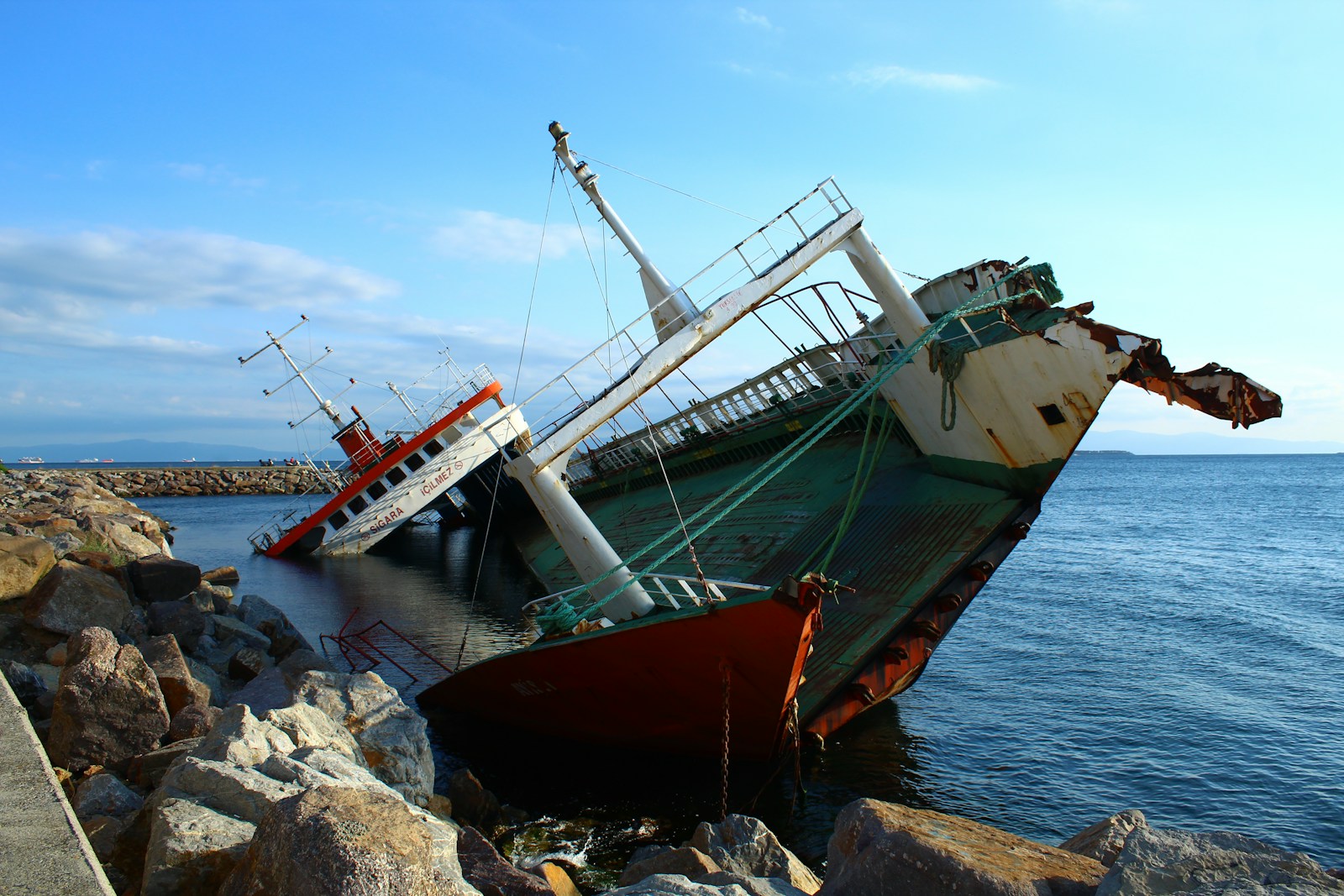
Half a century has passed since the Edmund Fitzgerald, the large Great Lakes freighter, sank in a violent storm on Lake Superior on Nov. 10, 1975. The wreck is certainly among the most famous weather-related ship disasters in American history, made even more renowned by Gordon Lightfoot’s haunting ballad “The Wreck of the Edmund Fitzgerald,” released the following year. However, by the standards of other ships caught in fatal storms, the accident was relatively small—29 people died, while several other maritime disasters claimed over 1,000 lives.
Wind played a role in every wreck among the top weather-related ship disasters in recent history. Contributing factors often included ships being overloaded with either freight or passengers. The SS Sultana, which went down on the Mississippi River on April 27, 1865, virtually at the end of the Civil War, was the only such disaster to occur in America—though whether weather was actually involved remains disputed.
Below are the deadliest weather-caused wrecks in recent history, ranked by estimated death toll. In some cases, particularly in what were third-world nations at the time, the exact number of casualties may not be accurate.
The Top 10 Deadliest Weather-Related Maritime Disasters
1. MV Doña Paz (Philippines) – December 20, 1987
- Death toll: 4,386 (commonly cited), though the official figure is 1,565
- Weather event: Typhoon + collision
- The overloaded ferry collided with the oil tanker MT Vector and burned. Many sources classify it as storm-related because the MV Doña Paz was attempting to sail out of the path of an approaching typhoon. Extreme overcrowding was another contributing factor. This is considered the deadliest peacetime maritime disaster ever.
2. MV Le Joola (Senegal) – September 26, 2002
- Death toll: 1,863
- Weather event: Severe storm/offshore gale
- This Senegalese government-owned ferry capsized off the coast of Gambia. The vessel was operating farther from shore than its permit allowed, a factor considered equally responsible for the disaster as the harsh weather.
3. Tek Sing (Indonesia) – February 6, 1822
- Death toll: ~1,600
- Weather event: Storm + reef collision
- This large three-masted Chinese ocean-going junk hit a reef in the South China Sea after sailing for several weeks. Gale-force winds were a primary contributor. Sometimes called the “Titanic of the East.”
4. Toya Maru (Japan) – September 26, 1954
- Death toll: 1,155
- Weather event: Typhoon Marie
- This train ferry capsized in Tsugaru Strait during one of Japan’s worst typhoons of the 20th century. Winds exceeded 60 mph and the ship’s anchor chain broke.
5. SS Sultana (USA) – April 27, 1865
- Death toll: ~1,169
- Weather event: Not weather-related, though often mislisted; excluded from weather-related rankings
- The SS Sultana was most likely sunk due to an onboard fire, though the theory persists that wind-driven water was a contributing factor.
6. MV Bukoba (Tanzania) – May 21, 1996
- Death toll: ~1,000+
- Weather event: Severe storm on Lake Victoria
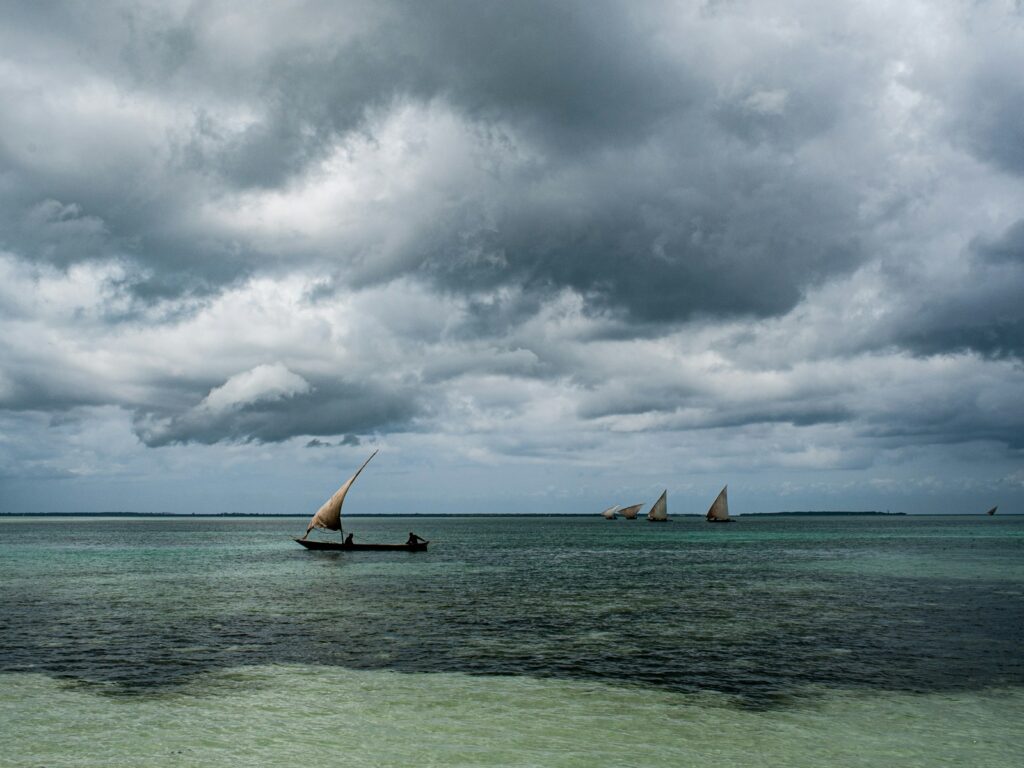
- This Lake Victoria ferry capsized in high winds and waves. Contributing factors included a lack of life jackets and distress signals.
7. Al-Salam Boccaccio 98 (Red Sea) – February 3, 2006
- Death toll: 1,026
- Weather event: Bad weather + fire
- This Egyptian ro-ro passenger ferry sank in rough seas after water collected in the hull while firefighters attempted to extinguish a blaze. The storm prevented effective rescue operations. The captain appealed to the owners to sail toward land but was refused.
8. SS Yongala (Australia) – March 23, 1911
- Death toll: 122
- Weather event: Cyclone (Category 3 of 4)
- This passenger ship sank in a cyclone off Queensland and wasn’t located until 1958. It could have gone down at any time during a two-day period, and the exact passenger count remains uncertain.
9. HMS Birkenhead (South Africa) – December 30, 1845
- Death toll: 445
- Weather event: Not weather-related; troopship hit rocks
- Though the wreck has been attributed to rough seas, this was probably not the case. The steam frigate had been converted to a troopship before being commissioned. Wind may have helped drive it ashore.
10. MV Princess of the Stars (Philippines) – June 21, 2008
- Death toll: 814
- Weather event: Typhoon Fengshen
- The ferry capsized off Sibuyan Island at the peak of Typhoon Fengshen. The captain ignored storm signals. Its primary port was Manila.
Other Notable Weather-Driven Maritime Disasters (300-500+ Victims)
- MV Spice Islander I (Zanzibar, 2011) – ~500–1,500 dead in rough seas while traveling between Unguja and Pemba, two islands off the coast of mainland Tanzania (overloaded + storm)
- MV Nyerere (Tanzania, Lake Victoria, 2018) – 228–400 dead in a sudden storm while traveling between the islands of Ukerewe and Ukara on Lake Victoria
- SS Waratah (South Africa, 1909) – 211 dead, vanished in a winter gale. This passenger and cargo steamship has never been found.
- MV Dashun (China, 1999) – ~280 died when this ferryboat sank in a storm in the Bohai Sea
- SS Arctic (USA–Canada, 1854) – ~300–350 dead after collision in dense Atlantic fog (fog is considered weather). This 2,856-ton paddle steamer was traveling from Liverpool to New York.
More from ClimateCrisis 247
- The Largest Wildfires Burning In The US Today
- Hottest Cities Where the Most People Don’t Have Air Conditioning
- US Cities With The Most Rain In History
- The Countries Producing the Most Wildfire Pollution in 2026