These Are The Greatest Environmentalists Of All Time
“Greatest” lists are subjective by nature. This holds true even in arenas like sports, where records carry different weight. Not everyone in the National Baseball Hall of Fame earned their place for the same reason. Historians ranking the greatest U.S. Presidents rarely agree on the order, and lists of great military leaders vary just as widely.
Determining the greatest environmentalists is particularly challenging. One could argue that Theodore Roosevelt deserves inclusion for greatly expanding the National Park System. However, he did nothing to combat global warming, having lived before climate change became recognized as a threat to the world’s future.
It’s nearly as difficult to make the case for people best known for their media presence. David Attenborough, for instance, could be dismissed as merely a television host of nature programs. Yet he was also a trained scientist who opened the world of nature to millions of viewers. As the BBC reported, “Sir David has done more than almost any other person to help millions of us understand and appreciate the wonders of the world around us.”
Climatecrisis247 examined evaluations of environmentalists from numerous sources, including Ethos, the Sierra Club, Ebsco, The Guardian, and Treehugger. We focused primarily on figures from the modern era, excluding those who did not live at least part of their lives in the 20th century.
We also considered one of the most difficult measures: legacy. Which individuals made contributions that outlived them or will continue to do so? This doesn’t necessarily mean they were authors, but their lives must be part of the documented history of environmental movements.
John Muir (1838–1914)
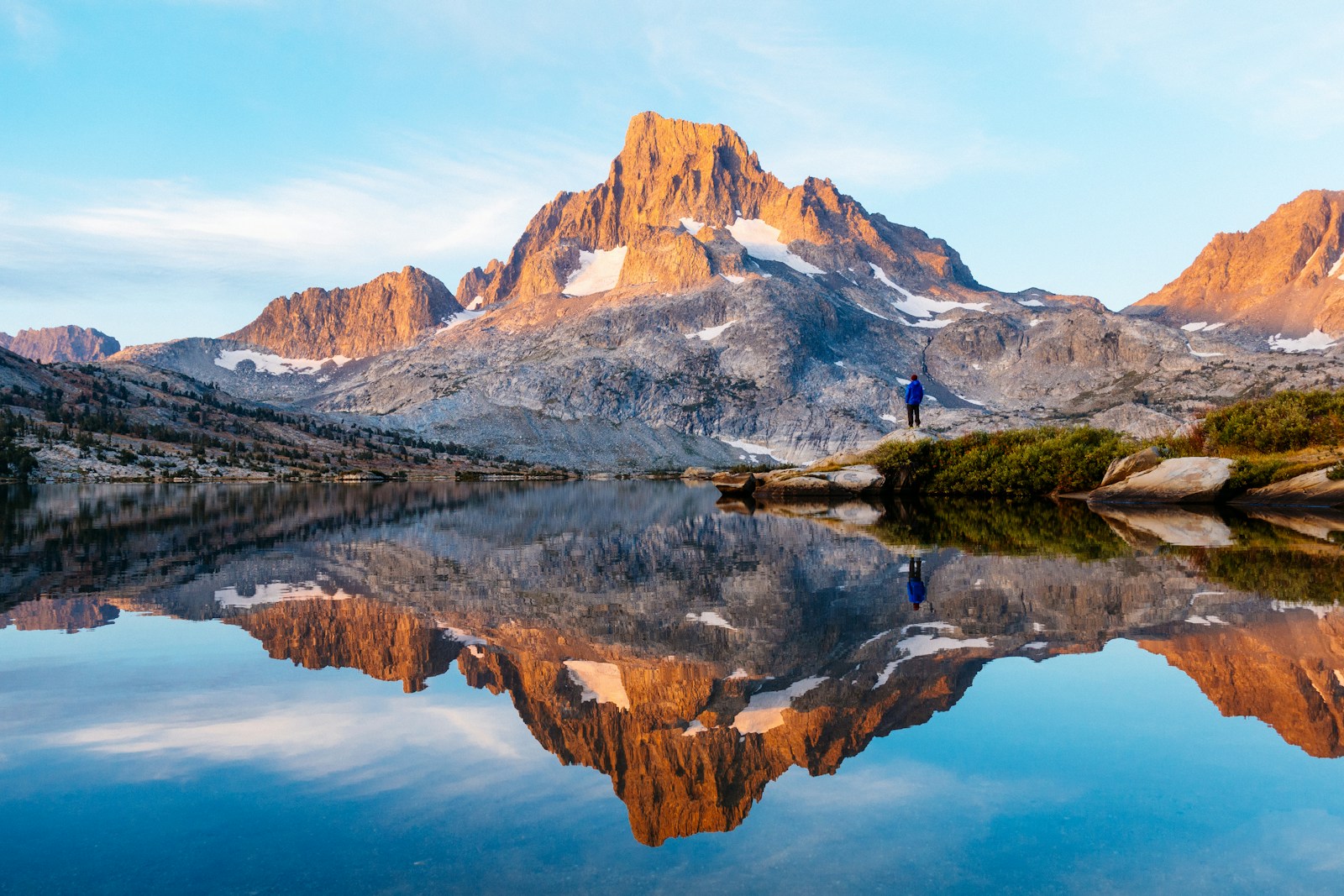
Known as the “Father of the National Parks,” this Scottish-American naturalist and writer advocated for the creation of Yosemite, Sequoia, and other iconic U.S. national parks. His close relationship with President Theodore Roosevelt proved essential to establishing a program that built America’s protected wilderness system. According to the Sierra Club, “The most monumental figure in the Sierra Club’s past is John Muir. Beloved by many of our members, his writings taught generations of people to see the sacredness of nature.”
Rachel Carson (1907–1964)
Called the “Mother of the Modern Environmental Movement,” this marine biologist wrote the groundbreaking book Silent Spring (1962), which exposed the dangers of pesticides like DDT. Her work led to the U.S. ban on DDT and contributed to the creation of the Environmental Protection Agency (EPA). She fundamentally changed how the world views chemical pollution and is widely recognized as a catalyst for the modern environmental movement through her scientific critique of industrial practices.
Wangari Maathai (1940–2011)
This Kenyan activist founded the Green Belt Movement, planting millions of trees while empowering women and fighting deforestation. She became the first African woman to win the Nobel Peace Prize in 2004 for linking environmental protection with democracy and human rights. She is best known for pioneering grassroots, justice-focused conservation in the Global South.

Greta Thunberg (2003–present)
This Swedish climate activist started the global Fridays for Future movement with her solo school strikes in 2018. While barely a teenager, she mobilized millions worldwide and pressured world leaders to treat climate change as a major global emergency.
Al Gore (1948–present)
The former U.S. Vice President’s 2006 documentary “An Inconvenient Truth” brought climate change science to mainstream audiences worldwide, raising awareness about global warming. The film won an Oscar for Best Documentary. Gore shared the 2007 Nobel Peace Prize for his efforts to build and disseminate knowledge about human-caused climate change, and he continues to advocate through initiatives like the Climate Reality Project.
Theodore Roosevelt (1858–1919)
Often described as the Conservation President, this longtime outdoorsman and explorer of the Western states protected approximately 230 million acres of public land between 1901 and 1909. He established 5 national parks, 150 national forests, the first 18 national monuments (including the Grand Canyon), and 51 federal bird reservations and game preserves, laying the foundation for the National Wildlife Refuge System. Working with advisors including Gifford Pinchot, he created the U.S. Forest Service in 1905 and championed “wise use” conservation that balanced resource management with long-term preservation for future generations. He is ranked among the most important environmentalists due to the scale of land he protected.
David Attenborough (1926–present)
This British natural historian and filmmaker has spent decades producing BBC documentaries—including landmark series like “Life on Earth,” “The Living Planet,” “Planet Earth,” “Blue Planet,” and “Our Planet”—that have brought the breadth and fragility of the natural world into millions of homes. In recent years, his work has taken a more urgent environmental stance, highlighting biodiversity loss, climate change, plastic pollution, and deforestation. Attenborough has raised remarkable awareness, inspired generations to care for the planet, supported conservation organizations, and earned honors including the UN’s Champions of the Earth Lifetime Achievement Award.