Nuclear Power Plants near Major US Cities
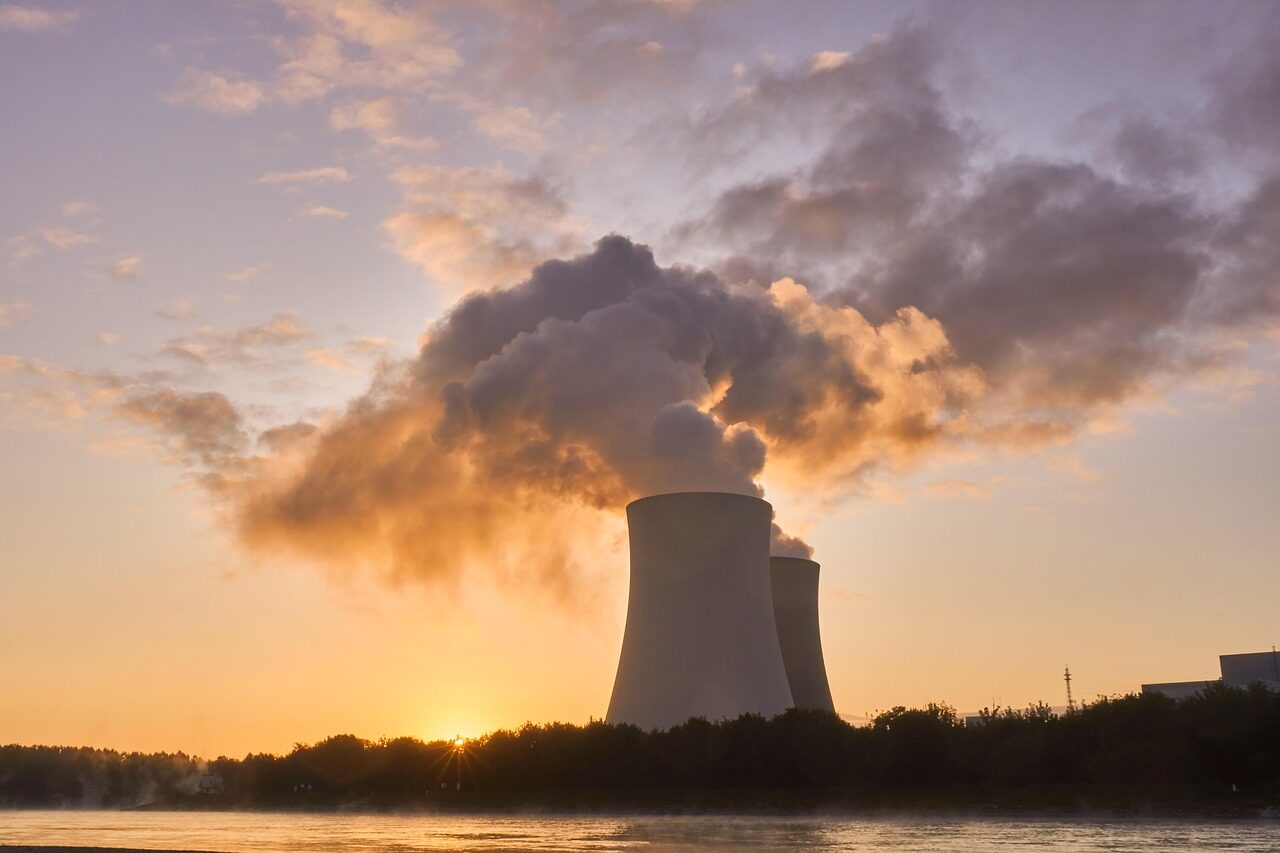
With the advent of AI – and the resource-intensive data centers powering the new technology – energy demand is set to take off in the United States. According to research conducted by the Virginia-based consulting firm ICF International, electricity demand is projected to go up 25% by 2030 and 78% by 2050. Absent massive infrastructure projects to up production capacity, household electricity bills will likely rise as the strained U.S. power grid becomes increasingly unreliable. For many, the answer to the country’s looming energy challengers is nuclear power.
Nuclear power offers a wide range of advantages over the alternatives. Nuclear reactors are the largest clean energy source in the United States, generating about 19% of the country’s electricity. There are nearly 100 nuclear reactors spread across 28 states, and these emissions-free facilities effectively prevent 471 million metric tons of additional carbon pollution each year. Unlike other clean energy sources, nuclear power plants are equipped to run continuously, day or night, even in extreme weather. However, nuclear power also comes with a unique set of potentially devastating risks.
Byproducts of nuclear energy include radioactive waste that can be harmful to humans for thousands of years. Because of the dangers associated with radioactive materials, nuclear power plants require strict regulations, which, even when in place, may not be enough to avert disaster in cases of human error or unanticipated circumstances. Since the mid-20th century, multiple nuclear disasters around the world have impacted countless lives, from Three Mile Island in the United States, to Chernobyl in the Soviet Union. As recently as 2011, a tsunami-triggered reactor meltdown in Fukushima, Japan, resulted in evacuations of everyone within a 30 kilometer radius of the power plant.
Due largely to the risks associated with nuclear power, only three of the country’s 96 active nuclear reactors became operational in the 21st century – and the vast majority came online as far back as the 1970s and 80s.
Using data from the U.S. Energy Information Agency, Climate Crisis 247 identified the nuclear power plants that are closest to major American cities. We reviewed data on all active nuclear reactors as of January 2026 and ranked them on the total population of the U.S. county in which they are located. We also reviewed data on proximity to nearby cities. All population data in this story are five-year estimates from the U.S. Census Bureau’s 2024 American Community Survey.
10. TalenEnergy Susquehanna Nuclear Power Plant
- Location: Luzerne County, Pennsylvania (population: 327,675)
- Nearby city: Wilkes-Barre, PA; 22 miles from plant (population: 44,423)
- Power plant nameplate capacity: 2,532.0 megawatts
- When first active reactor became operational: June 1983
9. St. Lucie Nuclear Power Plant
- Location: St. Lucie County, Florida (population: 360,500)
- Nearby city: Port St. Lucie, FL; 20 miles from plant (population: 232,491)
- Power plant nameplate capacity: 2,160.0 megawatts
- When first active reactor became operational: May 1976
8. Sequoyah Nuclear Power Plant
- Location: Hamilton County, Tennessee (population: 376,192)
- Nearby city: Chattanooga, TN; 25 miles from plant (population: 185,783)
- Power plant nameplate capacity: 2,441.0 megawatts
- When first active reactor became operational: July 1981
7. Peach Bottom Nuclear Power Plant
- Location: York County, Pennsylvania (population: 462,924)
- Nearby city: Baltimore, MD; 44 miles from plant (population: 573,243)
- Power plant nameplate capacity: 2,876.4 megawatts
- When first active reactor became operational: July 1974
6. Braidwood Generation Station
- Location: Will County, Illinois (population: 701,462)
- Nearby city: Chicago, IL; 64 miles from plant (population: 2,711,226)
- Power plant nameplate capacity: 2,449.8 megawatts
- When first active reactor became operational: July 1988

5. Limerick Nuclear Power Plant
- Location: Montgomery County, Pennsylvania (population: 867,573)
- Nearby city: Philadelphia, PA; 37 miles from plant (population: 1,579,706)
- Power plant nameplate capacity: 2,277.0 megawatts
- When first active reactor became operational: February 1986
4. McGuire Nuclear Power Plant
- Location: Mecklenburg County, North Carolina (population: 1,154,681)
- Nearby city: Charlotte, NC; 20 miles from plant (population: 903,844)
- Power plant nameplate capacity: 2,440.6 megawatts
- When first active reactor became operational: September 1981
3. Shearon Harris Nuclear Power Plant
- Location: Wake County, North Carolina (population: 1,178,653)
- Nearby city: Raleigh, NC; 23 miles from plant (population: 481,031)
- Power plant nameplate capacity: 950.9 megawatts
- When first active reactor became operational: May 1987
2. Turkey Point Nuclear Power Plant
- Location: Miami-Dade County, Florida (population: 2,738,356)
- Nearby city: Miami, FL; 33 miles from plant (population: 459,745)
- Power plant nameplate capacity: 1,637.2 megawatts
- When first active reactor became operational: December 1972
1. Palo Verde Nuclear Power Plant
- Location: Maricopa County, Arizona (population: 4,559,748)
- Nearby city: Phoenix, AZ; 57 miles from plant (population: 1,642,323)
- Power plant nameplate capacity: 4,209.6 megawatts
- When first active reactor became operational: January 1986
More from ClimateCrisis 247
- Places Where Humans May Not Be Able to Live by the End of This Century
- US Cities With Most Homes At Hurricane Risk, According to new Report
- Mapping the US Counties Where Climate Doubt is Spreading
- Proposed Data Centers Could Use More Electricity Than All Alabama Homes Combined, Analysis Shows. Who Will Pay?