These Counties With High Hurricane Risk Are Growing in Population
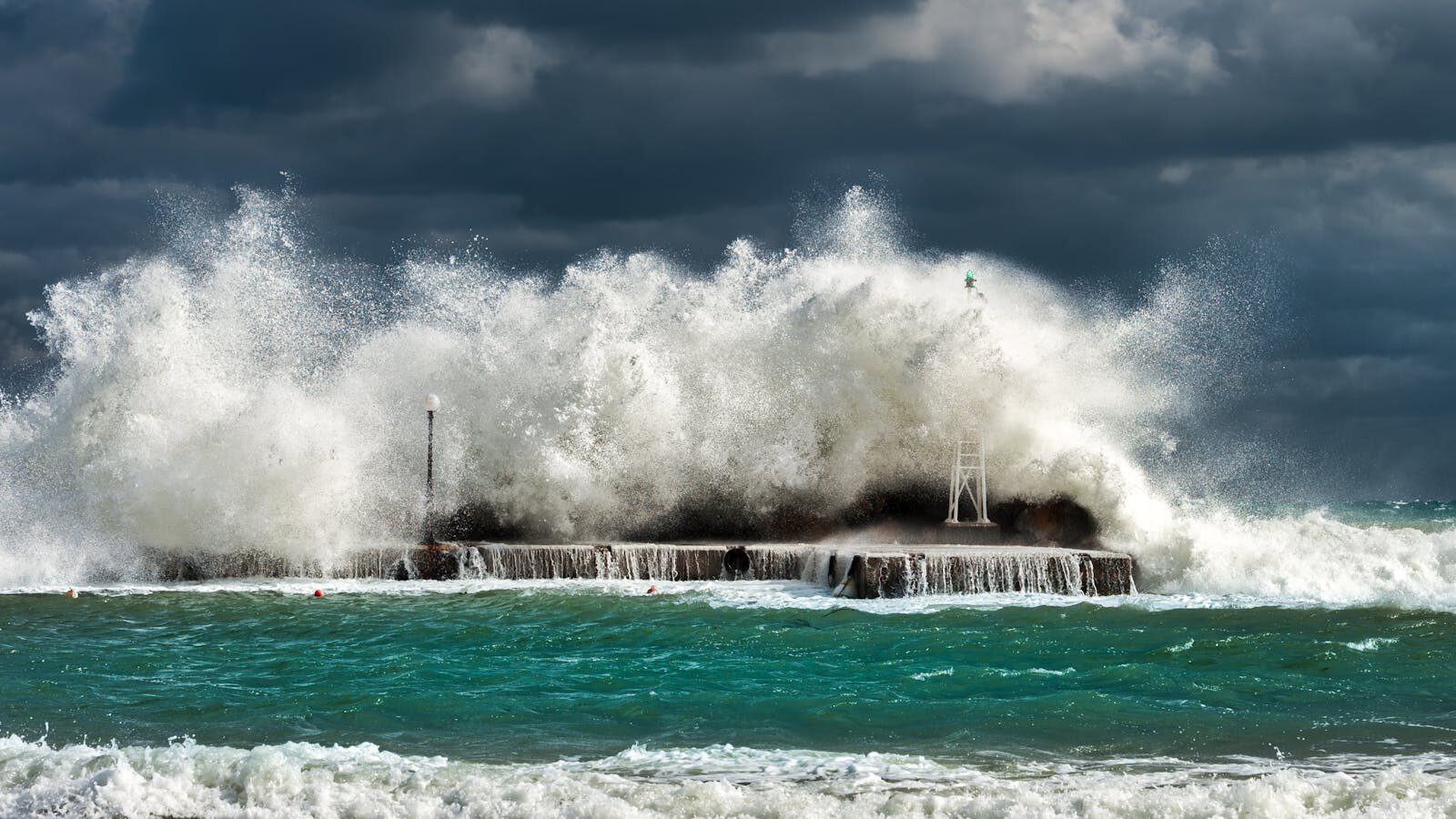
As part of its efforts to support disaster preparedness and risk reduction, FEMA quantifies risk of natural hazards like hurricanes, wildfires, and floods for all counties in the United States. Recent analysis shows that many of the counties ranked “very high” risk for hurricane danger – coastal communities stretching from Florida to Texas to the Carolinas – are seeing massive influxes of new residents in recent years. Hillsborough County, Florida, for example – where Hurricane Milton caused over $30 billion in damage last year – gained 60,000 new residents due to net migration from 2020 to 2023, ranking sixth among hurricane-prone counties. A closer look at the data reveals the hurricane-prone counties Americans are flocking to the most.
An analysis by Climate Crisis 247 shows that many of the fastest-growing counties in the U.S. are also among the most at risk for hurricanes. From Florida to Texas to the Carolinas, communities with “very high” hurricane danger — as rated by FEMA — are seeing massive population inflows. Polk County, Florida, which has added nearly 95,000 residents since 2020, ranks No. 1. Other hot spots include Montgomery County, Texas, and Lee County, Florida, both of which added more than 79,000 people during the same period. Despite extreme vulnerability, access to affordable housing, warm weather, and job growth continue to draw new residents to the storm belt — raising long-term concerns about insurance markets, infrastructure resilience, and emergency response capacity.
To determine the hurricane zones people are flocking to, 24/7 Tempo reviewed data on population change due to net migration from the U.S. Census Bureau’s Population and Housing Unit Estimates program and natural hazard risk for counties from the March 2023 FEMA National Risk Index dataset. Counties classified as “relatively high” or “very high” risk of hurricane by FEMA were ranked based on total population change due to net migration from April 2020 to July 2023.
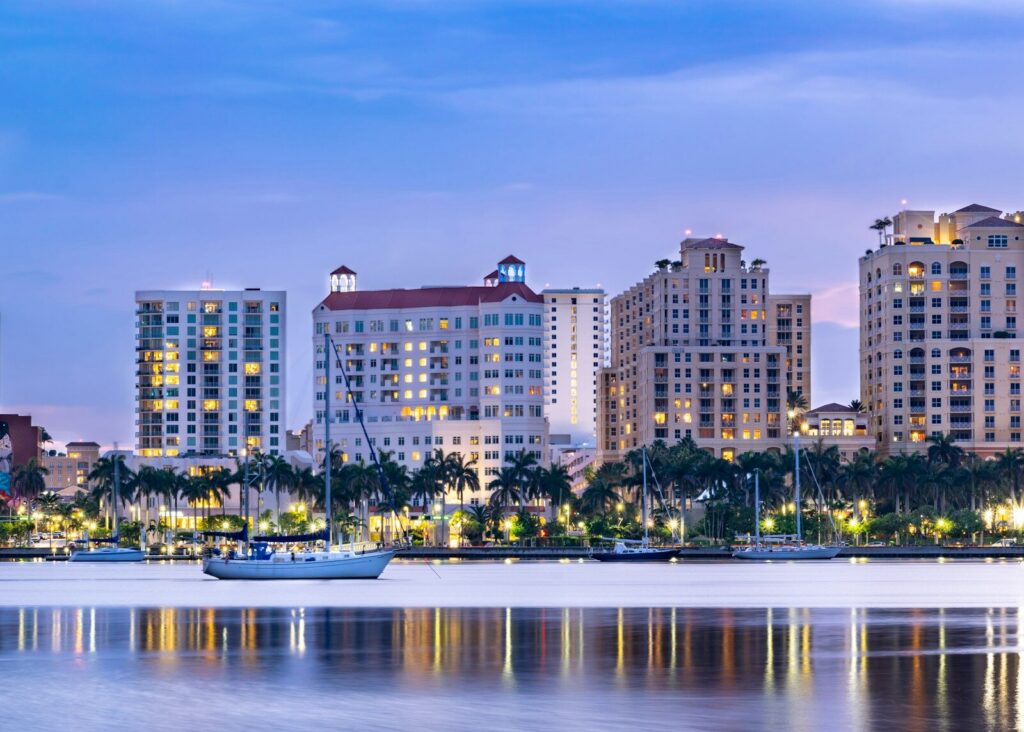
10. Volusia County, FL
- Population change due to net migration, 2020 to 2023: +48,888 residents
- FEMA hurricane risk rating: 98.2/100
- Total population: 590,357
- County seat: DeLand
9. Palm Beach County, FL
- Population change due to net migration, 2020 to 2023: +49,293 residents
- FEMA hurricane risk rating: 99.9/100
- Total population: 1,533,801
- County seat: West Palm Beach
8. Brevard County, FL
- Population change due to net migration, 2020 to 2023: +49,354 residents
- FEMA hurricane risk rating: 99.7/100
- Total population: 643,979
- County seat: Titusville
7. Horry County, SC
- Population change due to net migration, 2020 to 2023: +52,189 residents
- FEMA hurricane risk rating: 99.6/100
- Total population: 397,478
- County seat: Conway
6. Hillsborough County, FL
- Population change due to net migration, 2020 to 2023: +62,932 residents
- FEMA hurricane risk rating: 99.8/100
- Total population: 1,535,564
- County seat: Tampa
5. Pasco County, FL
- Population change due to net migration, 2020 to 2023: +78,725 residents
- FEMA hurricane risk rating: 99.6/100
- Total population: 632,996
- County seat: Dade City
4. Fort Bend County, TX
- Population change due to net migration, 2020 to 2023: +79,820 residents
- FEMA hurricane risk rating: 99.2/100
- Total population: 916,778
- County seat: Richmond
3. Lee County, FL
- Population change due to net migration, 2020 to 2023: +79,992 residents
- FEMA hurricane risk rating: 99.8/100
- Total population: 834,573
- County seat: Fort Myers
2. Montgomery County, TX
- Population change due to net migration, 2020 to 2023: +80,887 residents
- FEMA hurricane risk rating: 95.8/100
- Total population: 711,354
- County seat: Conroe
1. Polk County, FL
- Population change due to net migration, 2020 to 2023: +94,601 residents
- FEMA hurricane risk rating: 98.7/100
- Total population: 818,330
- County seat: Bartow
More from ClimateCrisis 247
- 8 California Cities That Will Lose the most land to rising seas by 2050
- The Countries With The Least Air Conditioning
- These East Coast Cities Will Lose the Most Land to Rising Seas by 2050
- The 15 Driest States In America