The Countries Producing the Most Wildfire Pollution in 2026
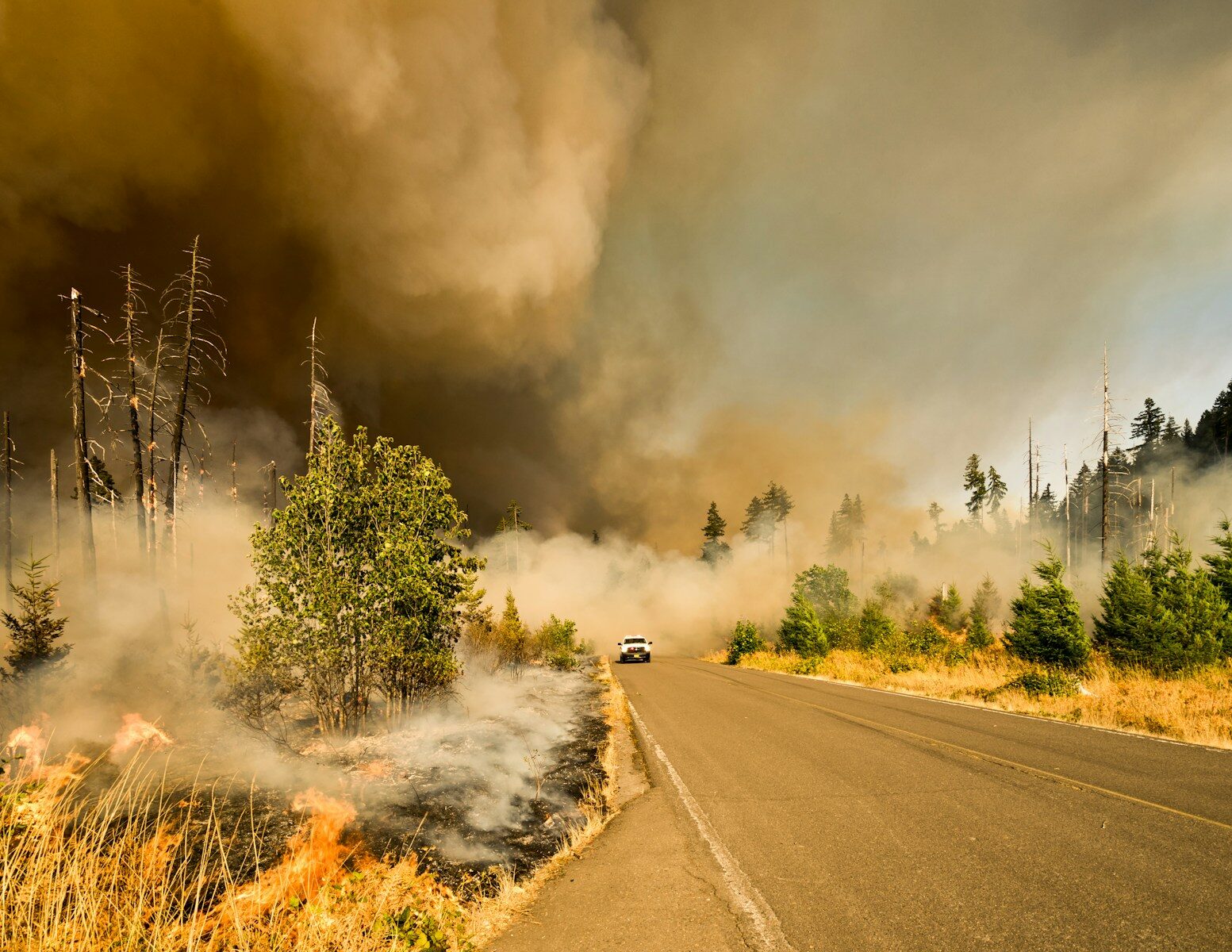
Across much of the world, drought conditions and extreme heat have given way to a devastating 2026 wildfire season. This summer, France and Spain have reported their largest wildfires since European Union record keeping began, prompting hundreds of thousands to evacuate communities around Bordeaux and Madrid. Wildfires have also prompted evacuations in Greece and remote stretches of Canadian wilderness, where hundreds of fires billowed smoke that darkened skies as far south as Virginia. In the United States, the National Interagency Fire Center remains at its highest preparedness level, as dozens of large fires are currently burning across tens of thousands of acres in 14 states.
Wildfires, particularly those in close proximity to population centers, pose a direct threat to human life. According to the non-profit research and advocacy group Climate Central, there have been 24 wildfires that caused at least $1 billion in damage in the U.S. since 1980. These events directly resulted in 568 fatalities and nearly $220 billion in destruction. But in addition to the immediate danger fires pose, the smoke they emit also has long term environmental and public health consequences.
So far this year, wildfires have burned approximately 433,500 square miles of land area globally. The latest data from the Global Wildfire Information System shows that these blazes have created more than 2.3 billion metric tons of carbon emissions – nearly equal to the annual carbon footprint of the entire European Union. Wildfire smoke also contains microscopic particles, or PM2.5, that greatly reduce air quality and can cause serious health problems. Exposure to high concentrations of PM2.5 has been linked to heart attacks, difficulty breathing, and, in some cases, premature death.
Using data from the GWIS, Climate Crisis 247 identified the countries where wildfires have created the most pollution so far this year. We ranked all countries with available data on the recorded volume of wildfire-related carbon emissions between January 1 and August 1, 2026. Supplemental data on PM2.5 pollution from wildfires is also from the GWIS. For comparison, we also reviewed annual carbon emissions at the state-level using data from the U.S. Energy Information Administration.
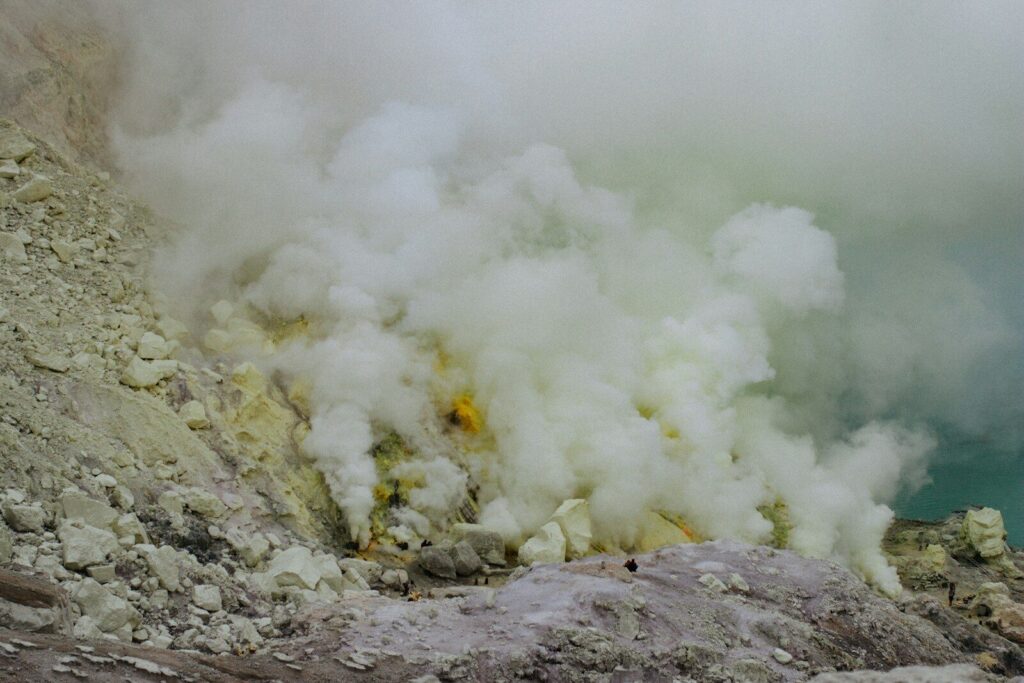
10. Indonesia
- Carbon emissions from wildfires so far in 2026: 59.9 million metric tons (approx. equal to the annual carbon footprint of Arkansas)
- PM2.5 pollution from wildfires so far in 2026: 322,191 metric tons
- Land area burned by wildfires so far in 2026: 1,886 square miles (approx. the size of Rhode Island)
9. Brazil
- Carbon emissions from wildfires so far in 2026: 70.2 million metric tons (approx. equal to the annual carbon footprint of South Carolina)
- PM2.5 pollution from wildfires so far in 2026: 298,159 metric tons
- Land area burned by wildfires so far in 2026: 7,839 square miles (approx. the size of New Jersey)
8. United States
- Carbon emissions from wildfires so far in 2026: 77.1 million metric tons (approx. equal to the annual carbon footprint of Minnesota)
- PM2.5 pollution from wildfires so far in 2026: 355,436 metric tons
- Land area burned by wildfires so far in 2026: 9,155 square miles (approx. the size of New Hampshire)
7. Central African Republic
- Carbon emissions from wildfires so far in 2026: 79.8 million metric tons (approx. equal to the annual carbon footprint of Colorado)
- PM2.5 pollution from wildfires so far in 2026: 246,112 metric tons
- Land area burned by wildfires so far in 2026: 23,235 square miles (approx. the size of West Virginia)
6. Australia
- Carbon emissions from wildfires so far in 2026: 108.5 million metric tons (approx. equal to the annual carbon footprint of Kentucky)
- PM2.5 pollution from wildfires so far in 2026: 365,551 metric tons
- Land area burned by wildfires so far in 2026: 45,566 square miles (approx. the size of Ohio)
5. South Sudan
- Carbon emissions from wildfires so far in 2026: 124.3 million metric tons (approx. equal to the annual carbon footprint of North Carolina)
- PM2.5 pollution from wildfires so far in 2026: 373,973 metric tons
- Land area burned by wildfires so far in 2026: 26,853 square miles (approx. the size of West Virginia)
4. Angola
- Carbon emissions from wildfires so far in 2026: 132.1 million metric tons (approx. equal to the annual carbon footprint of Georgia)
- PM2.5 pollution from wildfires so far in 2026: 416,640 metric tons
- Land area burned by wildfires so far in 2026: 28,854 square miles (approx. the size of South Carolina)
3. Canada
- Carbon emissions from wildfires so far in 2026: 155.5 million metric tons (approx. equal to the annual carbon footprint of Indiana)
- PM2.5 pollution from wildfires so far in 2026: 1.3 million metric tons
- Land area burned by wildfires so far in 2026: 7,845 square miles (approx. the size of New Jersey)
2. Russia
- Carbon emissions from wildfires so far in 2026: 187.0 million metric tons (approx. equal to the annual carbon footprint of Louisiana)
- PM2.5 pollution from wildfires so far in 2026: 1.3 million metric tons
- Land area burned by wildfires so far in 2026: 12,877 square miles (approx. the size of Maryland)
1. Democratic Republic of Congo
- Carbon emissions from wildfires so far in 2026: 310.0 million metric tons (approx. equal to the annual carbon footprint of California)
- PM2.5 pollution from wildfires so far in 2026: 1.2 million metric tons
- Land area burned by wildfires so far in 2026: 52,553 square miles (approx. the size of Louisiana)
More from ClimateCrisis 247
- Water Bills Surged More Than Other Costs in US Homes Over 10 Years, a ‘Striking’ New Report Shows
- The World’s Oceans Have ‘Dead Zones’ Now; these are the Largest
- These are the 10 Largest Wildfires in 2026 So far
- Worst Polluting Nations in the World Compared to Shipping & Aviation Industries