The World’s Oceans Have ‘Dead Zones’ Now; these are the Largest
The world’s oceans, rivers, and lakes are suffering extensive damage from human activity. Pollution and global warming have taken a heavy toll: many bodies of water now contain vast patches of plastic, and some that once supplied drinking water to cities can no longer do so. Meanwhile, rising seas, driven by higher global temperatures, are flooding coastal cities.
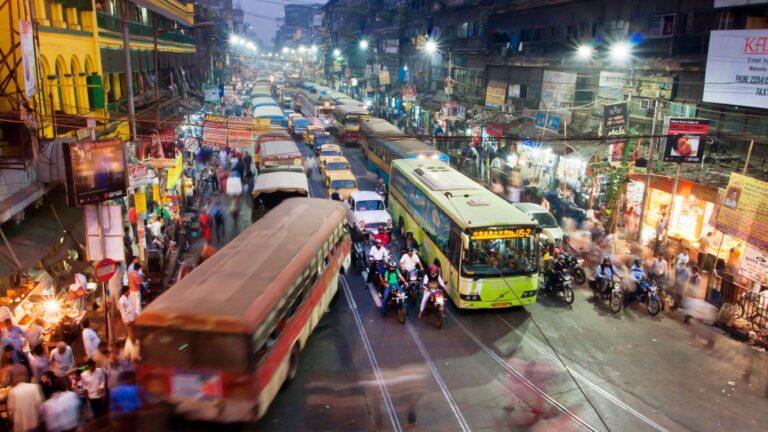
These problems are by no means limited to the US. According to the OECD, American cities such as Miami face a less severe threat today than Kolkata, with 14 million people, or Dhaka, with 10 million. The organization writes, “By the 2070s, total population exposed could grow more than threefold to around 150 million people due to the combined effects of climate change (sea-level rise and increased storminess), subsidence, population growth and urbanisation.”
El Niño, brought on in part by a rapidly warming area of the Pacific, will affect weather around the world. Alliance Biodiversity writes, “Due to climate change, the planet’s baseline temperature (before the onset of El Niño) is higher and higher, resulting in increasingly intense episodes with the onset of El Niño.”
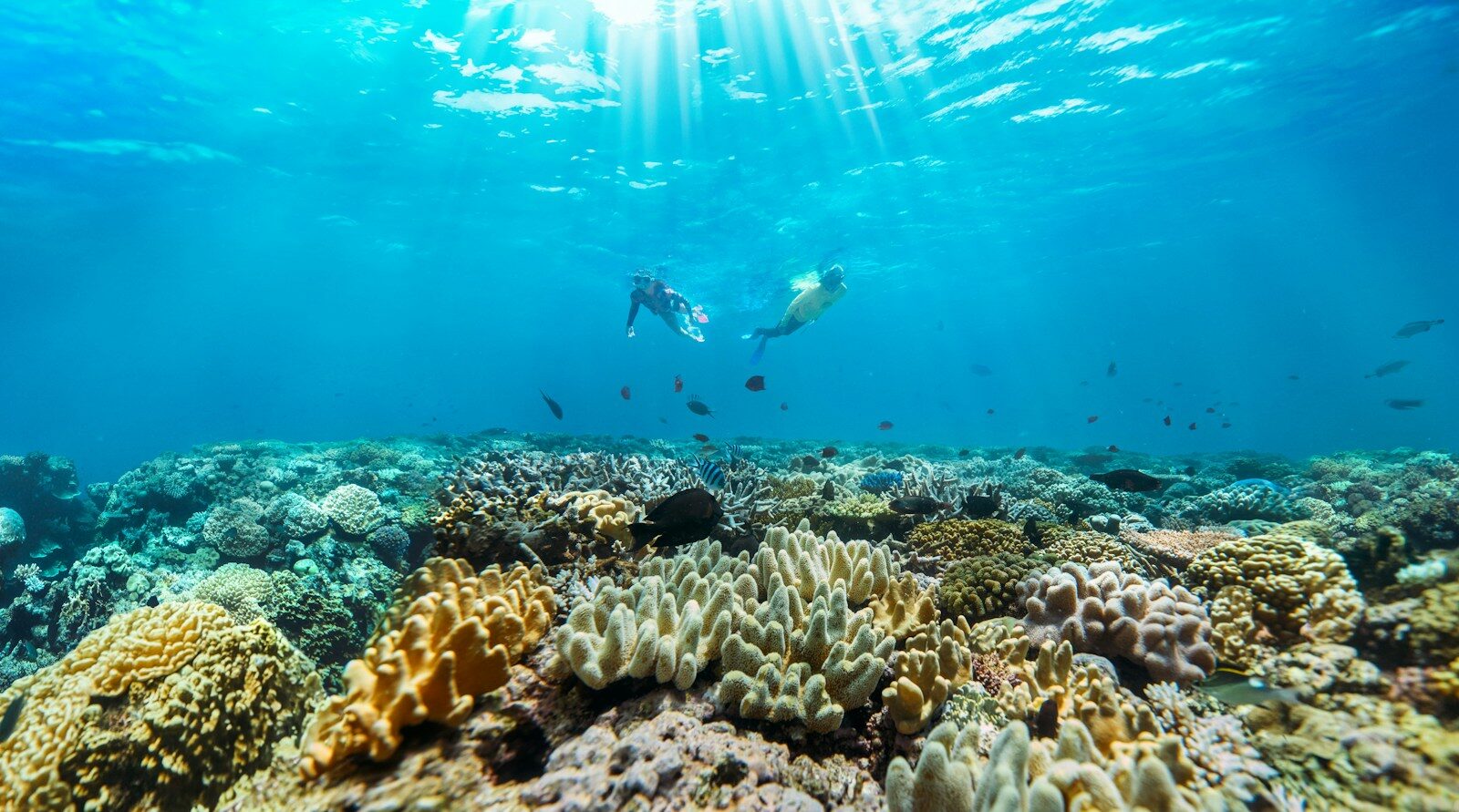
Among the most terrible effects of climate change on the oceans is the number of species it is killing. Inside Climate News recently reported, “Over the past several years, the temperature of the Earth’s oceans have been spiking high enough to trigger numerous die-offs of marine species, killing millions of corals, fish, mammals, birds and plants.”
Another significant problem is ocean “dead zones,” very large areas where there is too little oxygen in the water to support most marine life. Some species can move away from these areas; others cannot and die. Humans are the primary cause of many dead zones. Pollutants such as fertilizer create algae blooms, and as the algae die, their decay removes oxygen from the water. According to NOAA, “There are many physical, chemical, and biological factors that combine to create dead zones, but nutrient pollution is the primary cause of those zones created by humans.” Some of this pollution arrives in wastewater that flows from rivers into oceans. In the US, the most famous example covers much of western Lake Erie every summer.
We looked at the dead zones most often identified as the world’s largest. Some are larger than US states.
Arabian Sea / Gulf of Oman: About the size of Florida (64,000 square miles)
The largest dead zone on Earth, it lies off the coasts of Oman, Iran, and Pakistan. After using robots to examine the area, the University of East Anglia Norwich said, “The Arabian Sea is the largest and thickest dead zone in the world. But until now, no-one really knew how bad the situation was because piracy and conflicts in the area have made it too dangerous to collect data.” Large parts of it contain virtually no oxygen. Global warming is responsible for some of this, but human waste also contributes.
Baltic Sea: About the size of West Virginia (23,000 square miles)
In Science Direct’s Marine Geology, researchers explained the problem in this region: “The vast oxygen-depleted area of the central Baltic Sea is the largest human-induced dead zone in the world with 70,000 km2 or approximately three times the second largest one in the Gulf of Mexico.” It is the largest dead zone caused primarily by human activity. Farm runoff and sewage from the countries surrounding this nearly enclosed sea in northern Europe have been identified as the primary causes.
Black Sea: About the size of Maryland and Delaware combined (roughly 15,000 square miles at its worst)
Fertilizer runoff from the Danube River causes much of the problem. Unlike the others, though, this dead zone may be shrinking. The Global Environment Facility recently reported, “Over a twenty year period, the GEF invested $97.70M and there was an additional $288.76M of co-financing in pollution-reduction measures targeted at reversing a massive 40,000 km2 dead zone that had formed in the northwest shelf of the Black Sea.”
East China Sea: Up to the size of Connecticut (5,800 square miles)
Scientists identified the human cause decades ago: sewage and other waste carried by China’s rivers, including the Yangtze. Dialogue Earth described the problem: “And there is what comes down the country’s great rivers. This includes untreated human sewage; manure from the country’s fast-growing livestock farms; and especially excess fertiliser put onto fields by farmers.”
Gulf of Mexico: Nearly the size of Connecticut (4,400 square miles in 2025)
This dead zone is the largest near the US, off Louisiana and Texas, and it appears to be shrinking. According to NOAA in 2025, “NOAA-supported scientists announced today that this year’s Gulf “dead zone” — an area of low to no oxygen that can kill fish and marine life — is approximately 4,402 square miles, the 15th smallest zone on record in 39 years of measurement.” Fertilizer from Midwest farms flows down the Mississippi River into the Gulf. This year’s zone was smaller than usual, but it was still more than twice the government’s goal.
More from ClimateCrisis 247
- These are the 10 Largest Wildfires in 2026 So far
- Worst Polluting Nations in the World Compared to Shipping & Aviation Industries
- Nations with the Most EV Sales Per Hour, Adjusted for Population
- The States Where People Have Already Left Because Of Climate Change