2026 Races Where Climate and Data Centers May Decide the Outcome
Climate has been on the ballot before, but in this year’s midterms it may matter more than ever. Earlier periods when the environment became a political issue were usually driven by specific trends or incidents. Several large oil spills off the Pacific coast preceded the creation of the Environmental Protection Agency in 1975. Ohio’s Cuyahoga River caught fire after its surface became coated in contaminants. From the 1940s to the 1970s, Los Angeles had air as polluted as that of many Indian cities today, and rising smog in large cities helped drive passage of the Clean Air Act. After decades of littering on public land, nearly every state adopted litter rules and fines.
Global warming returned to the front page in 2015, when the US joined 174 other nations in signing the Paris Agreement. That decision led to regulations affecting industrial pollution, vehicle emissions, water quality, and the protection of natural resources, and some began to change business practices. Under the Trump administration, almost all of that has been reversed. Fuel-economy standards for car fleets have been rolled back, the $7,500 EV tax credit ended on September 30 of last year, and several large offshore wind projects have been effectively blocked. Trump’s advice to oil companies was “Drill, baby, drill.”
How important is climate change to voters today? Not top-tier. A Pew poll earlier this month on top midterm issues found that 84% of registered voters named the economy as most important, while 41% put environmental and climate policy at the top of their concerns.
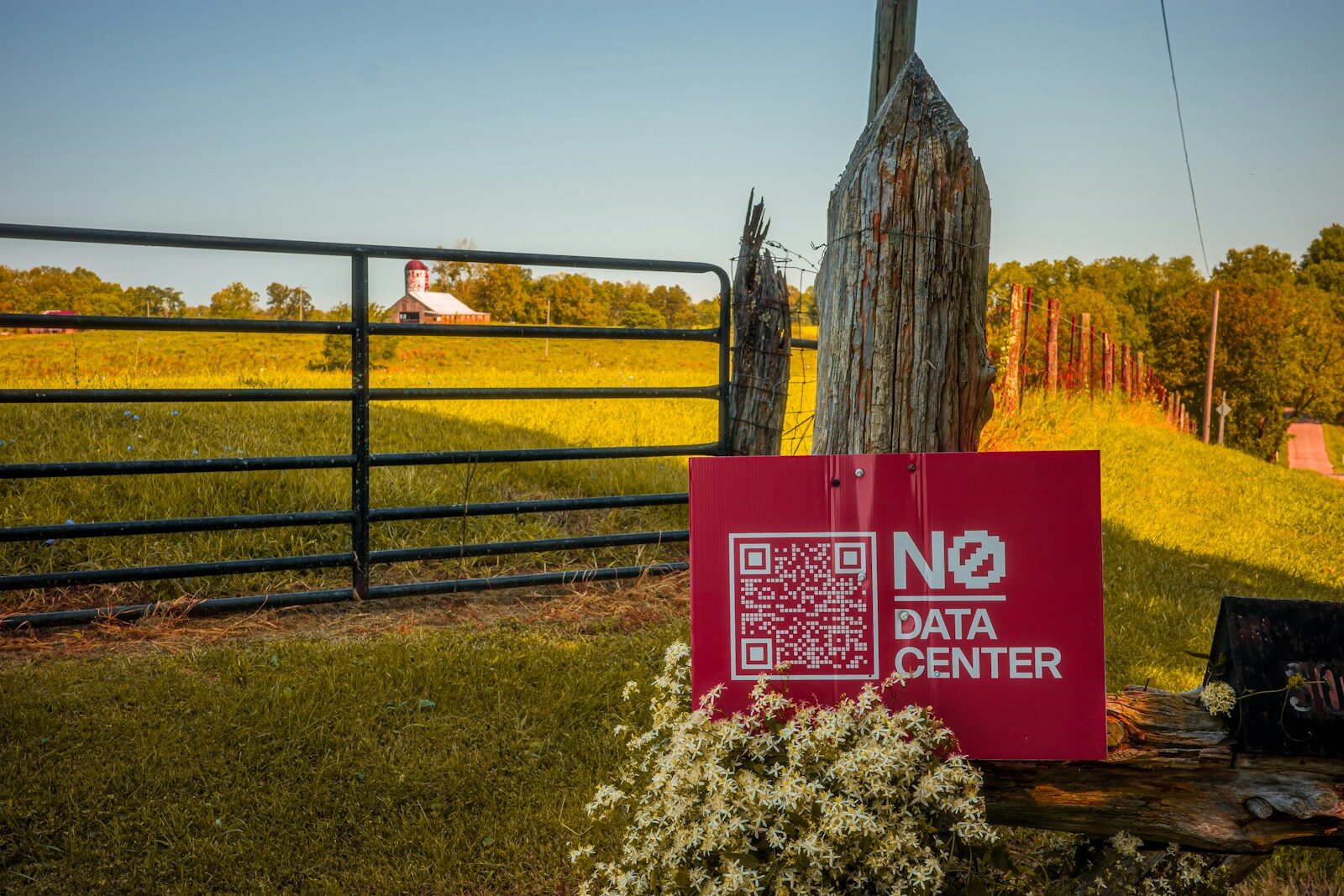
But climate and economic concerns are starting to merge, and AI data centers are the clearest example. They affect local electricity rates and water quality, and the LA Times reports that $68 billion in data center construction has been delayed. The environmental fight is now running through electricity bills, heating costs, and data centers, which voters treat as cost-of-living issues. Environmentally minded voters also know that most electricity is still generated from fossil fuels.
Data centers have become a bipartisan backlash issue. An NBC News poll found that 64% of voters would be less likely to back a candidate who favored building data centers in their community, while only 11% would be more likely.
ClimateCrisis247 analyzed the governor, House, and Senate races where the environment is on the ballot. In a few of them, data centers and their environmental effects carry real weight:
Ohio U.S. Senate (special): Sherrod Brown (D) vs. Sen. Jon Husted (R)
This is the most prominent example. Brown’s ads call Husted the “face of data centers” because of the tax breaks Husted supported as lieutenant governor. Husted has responded with the Ratepayer Protection Act, which would make data centers pay for their own grid upgrades. September polls had Brown ahead by 0.3 to 5 points (Quantus 45.6%–45.3%; Trafalgar 45.4%–41.5%; BGSU/YouGov 48%–45%; InsiderAdvantage 47%–42%). A NYT/Siena poll cited by CBS found voters favor Brown by 11 points on the data center issue.
Georgia governor: Keisha Lance Bottoms (D) vs. Rick Jackson (R)
The two campaigns have spent roughly $13 million on ads mentioning data centers, more than in any other state. Bottoms wants a statewide pause to study the effects on the environment and utility bills. Jackson wants local control with “guardrails” and tougher environmental standards set by executive order. No poll isolates the issue. The RealClearPolling average has Jackson ahead 47.8% to 46.6% across five polls, which range from a tie to Jackson +2. Jackson leads by one or two points in all three October polls in the average.
Michigan’s 7th District (House): Rep. Tom Barrett (R) vs. William Lawrence (D)
At more than $61 million in ad spending, this is the nation’s costliest House race. Lawrence calls for a federal data center moratorium, citing electricity bills, water, and property values. Barrett is campaigning on data center transparency. The New York Times poll tracker shows the race as too close to call.
Texas governor: Gov. Greg Abbott (R) vs. Gina Hinojosa (D)
CBS calls the race “surprisingly close.” Both candidates back a data center moratorium, and Abbott has already paused environmental permits and grid connections for new data centers, so the issue does not separate them. The New York Times has Abbott ahead, though by less in recent polls.
Texas Senate: Ken Paxton (R) vs. James Talarico (D)
Paxton wants to end the data center sales tax break. Talarico says data centers should pay for the new grid infrastructure needed to serve them rather than passing those costs on to residents, arguing that the facilities are driving up electricity costs. Talarico is slightly ahead in recent polls. Two months ago, the race was not considered close.
Pennsylvania governor: Gov. Josh Shapiro (D) vs. Stacy Garrity (R)
Garrity backs a moratorium and has attacked Shapiro as too close to tech firms. Shapiro moved from early support for data centers to new restrictions imposed by executive order. Because both candidates have taken environment-friendly positions, the issue is unlikely to matter, and Shapiro appears headed for a landslide.
More from ClimateCrisis 247
- States With The Worst EVs per Charging Port Ratio
- The 10 Coldest Fall Seasons on Record in America
- 10 Competitive House Races Where Utility Bills Have Surged
- Ocean Temperatures Hit a Historic High in 2026