Countries That Have Lost The Most Farmland
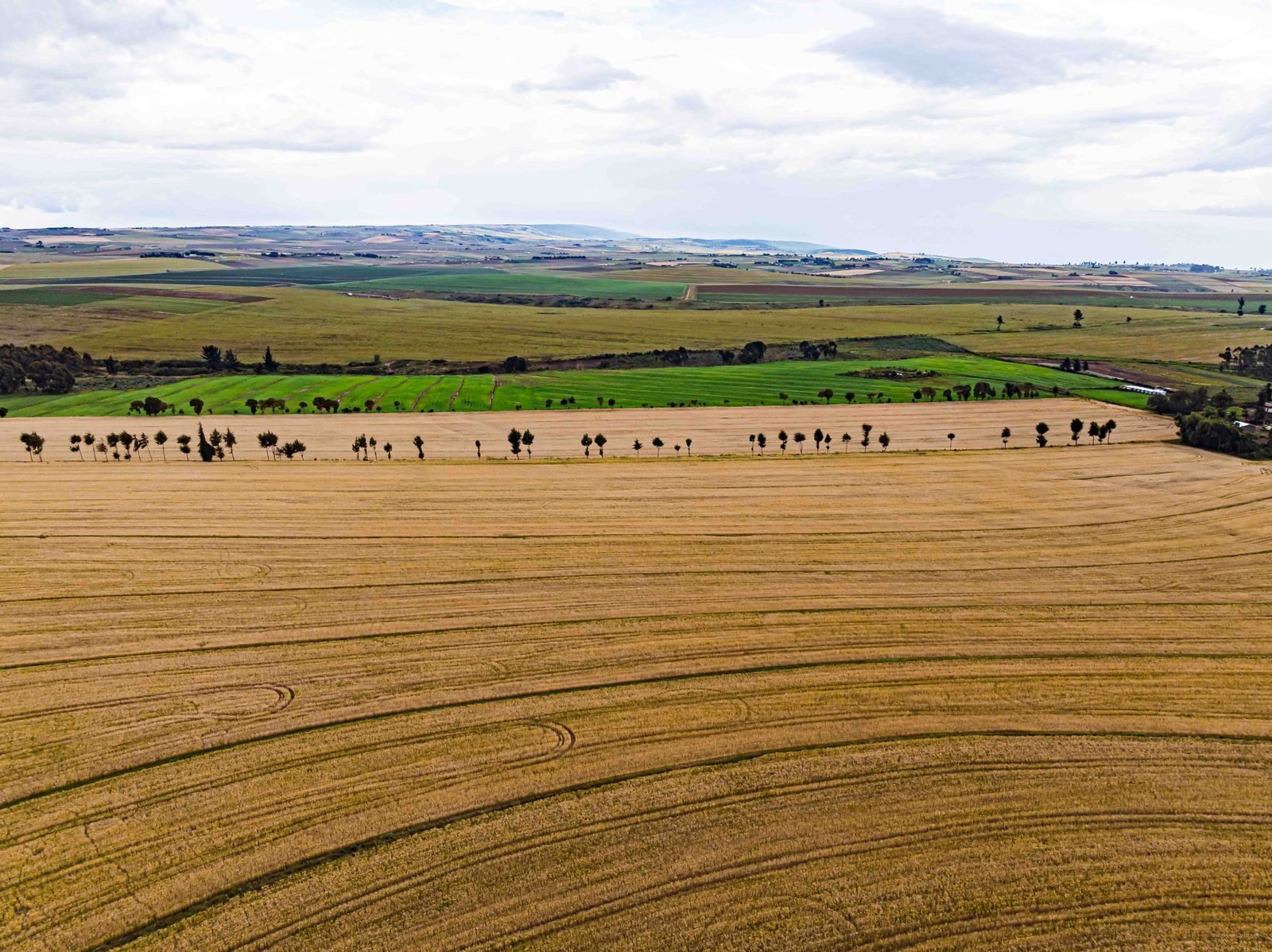
Since the start of the 21st century, vast areas of Somalia’s farmland have disappeared. Drought has ruined much of this land, forcing many farmers to leave. The Office of the United Nations High Commissioner for Refugees (UNHCR) reports that more than 3.8 million people are displaced in Somalia, and some 6.7 million are struggling to meet their food needs. Most of the displaced have been forced to move to neighboring countries.
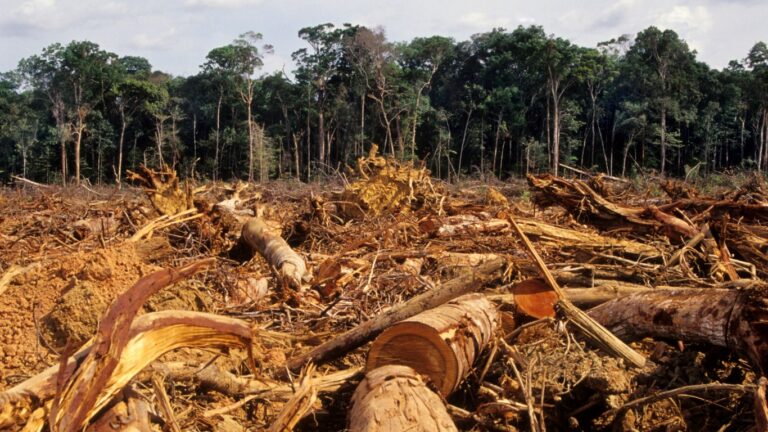
Several other nations have suffered similarly from degraded land, which the UN defines as “areas that have suffered a persistent decline or loss in their biological and economic productivity, ecological functions, and overall quality,” or from desertification — “the process by which natural or human causes reduce the biological productivity of drylands (arid and semiarid lands).” Over time, agricultural activity drops sharply in these nations, and in some regions disappears altogether.
There is no true analog to this crisis in the United States today. Granted, vast areas of the US have suffered droughts severe enough to cut sharply into crop production. A single year of severe drought can significantly affect yield: according to AgroLatam, the USDA’s Crop Production forecast puts Nebraska’s 2026 average corn yield at 183 bushels per acre, down from 194 in 2025 — a decline of about 5.7%. While this may strain farmers’ finances and push up food and grain prices, it is unlikely to significantly change where current residents live. That could change, however, if drought conditions persist for several years, and there is ample evidence that drought is worsening across the US. [Note: the original draft included an unfinished sentence here about diesel prices averaging $5.85 nationally — let me know if you’d like this restored and completed, since I didn’t want to guess at the missing content.]
The closest US comparison to the farmland destruction seen in the nations examined here is the Dust Bowl, which began in 1930. Its effects covered the Southern and Central Great Plains, stretching from Nebraska to Texas, where drought and dust storms made farming and cattle ranching impossible. As History.com reports, by 1934 an estimated 35 million acres of formerly cultivated land had been rendered useless for farming, while another 125 million acres — an area roughly three-quarters the size of Texas — was rapidly losing its topsoil.
The hardest-hit nations in this study share several effects: a sharp rise in poverty, a sharp drop in GDP, and mass displacement that creates severe refugee crises. Most of these nations were already poor before land degradation took hold. Somalia’s GDP per capita is among the lowest in the world, as is true of Ethiopia and Niger. As a result, these governments lack the financial resources and agricultural infrastructure needed to support affected farmers.
Somalia
- Between 2000 and 2015, Somalia lost about 92,000 square miles of land to degradation — roughly 27% of its total land area, according to the Somalia Land Degradation Neutrality Target Setting Report (UNCCD).
- Livestock accounts for about 40% of Somalia’s GDP, and over half the population works as pastoralists (livestock herders).
- During the 2016–17 drought, 40% of Somalia’s population became food insecure, meaning they were unable to consistently access or afford adequate food.
Mongolia
- Almost 77% of the country’s total land is degraded.
- In 2023–2024, farmers lost more than 7 million livestock.
- About a third of the population depends on pastoralism for its livelihood.
Kenya
- 80% of Kenya’s land is considered vulnerable to desertification.
- About three-quarters of Kenyans are farmers, making land degradation a direct threat to livelihoods as well as an ecological crisis.
Ethiopia
- At least 70% of Ethiopia is threatened by desertification.
- Ethiopia is also among the countries that have lost over 80% of their original total forest land.
Niger
- Land degradation is currently estimated at 250,000 acres lost annually.
- Between 1958 and 1997, 40–50% of Niger’s land was deforested — defined as land completely cleared or stripped of its trees and forest.
- The Niger River basin shows moderate-or-higher degradation across 50% of its area.
- Land degradation costs Niger roughly 11% of its GDP.
Chad
- The Lake Chad basin shows moderate-or-higher degradation across 26% of its area, and the lake’s surface area itself has shrunk sharply over the past decade.
- Chad is also among the countries that have lost over 80% of their total forest land.
- Recent flooding affected more than 1 million people and damaged or destroyed 1.1 million acres of farmland.
Sudan
- Hyper-arid, arid, and semi-arid zones dominate Sudan’s landscape.
- Roughly 15 million people are currently severely hungry, driven by a combination of flooding and disrupted planting seasons.
More from ClimateCrisis 247
- From NJ to Hawaii, The US Cities Hit Hardest by Coastal Flooding In Last 10 Years
- Rising Seas Will Claim Over 500 Square Miles In These Gulf Coast Cities by 2050
- The Price Of These Groceries Jumped Because Of Global Warming
- Trump wants More Data Centers; These States will have The most in 5 years