The Fish, Birds, and Mussels America Just Lost for Good
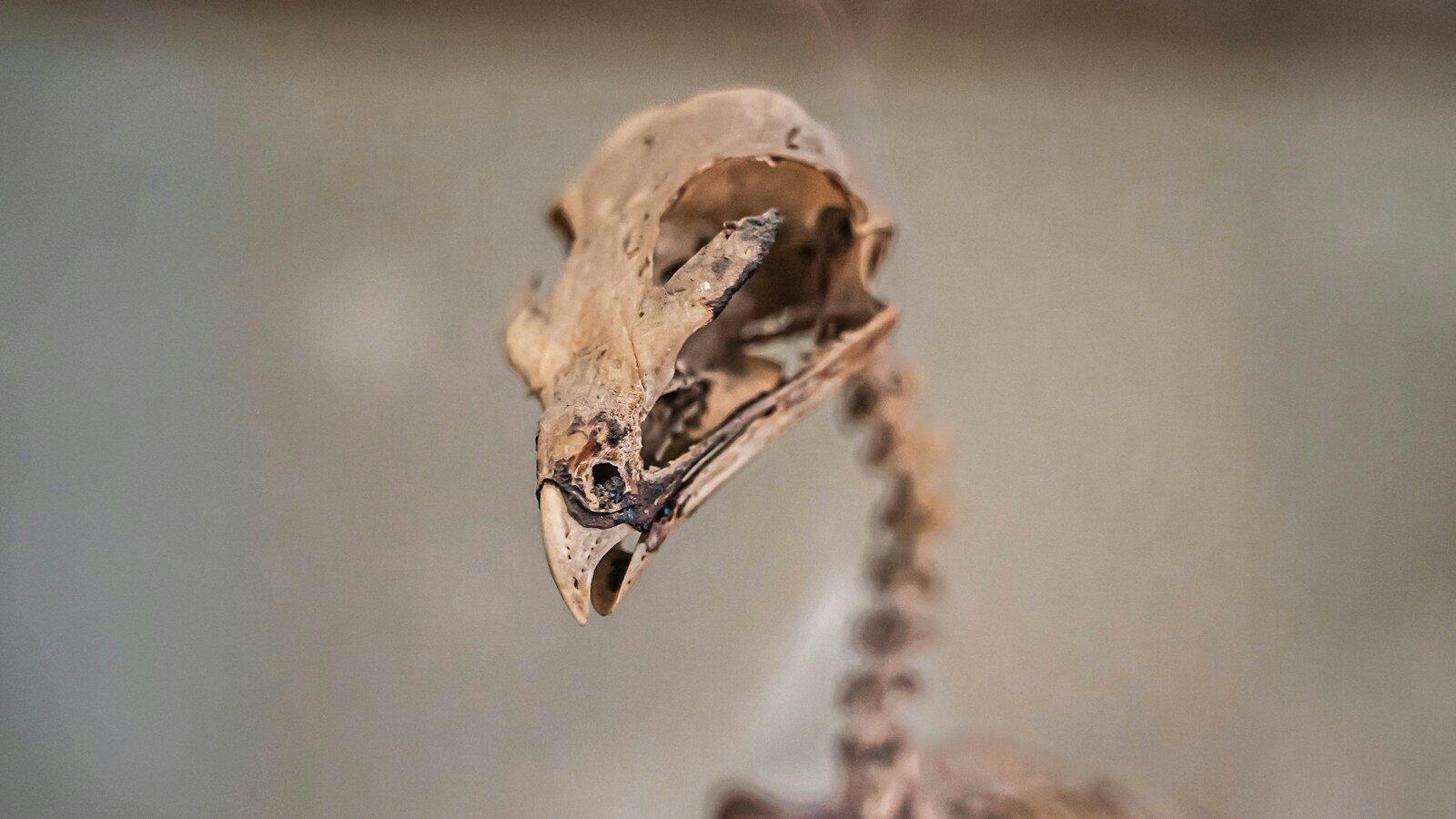
In October 2023, the U.S. Fish and Wildlife Service removed 21 species from the endangered species list because they had gone extinct. On October 16 of that year, the agency, a division of the Department of the Interior, published “Fish and Wildlife Service Delists 21 Species from the Endangered Species Act due to Extinction.” The species had previously been protected under the Endangered Species Act. Most had been listed for decades, and many had not been seen since the 1960s.
Extinction is among the greatest risks from human expansion, pollution, and climate change. Global Nature Watch writes, “Habitat destruction and degradation, inflicted as humans expand our activity further into the last wild places, is a powerful engine for extinction.” Most scientists expect the rate of extinction to accelerate. The Intergovernmental Science-Policy Platform on Biodiversity and Ecosystem Services (IPBES) gathered information from 145 experts in 50 countries. The authors wrote, “The Report finds that around 1 million animal and plant species are now threatened with extinction, many within decades, more than ever before in human history.”
Deutsche Welle explained that extinctions can also threaten humans. Farming and fishing support the livelihoods of hundreds of millions of people around the world, and when the species they raise or harvest decline sharply, those livelihoods are at risk. Some bee species, for example, have declined significantly. The publication points out that “More than 75% of global food crop types rely in part on animal pollination.”
Scientists are also asking whether we are in the midst of a mass extinction. There have been five in Earth’s history. A sixth would be the first, and perhaps the last, caused by humans. The Natural History Museum notes, “In the last 500 million years, five great mass extinction events have changed the face of life on Earth.” It adds, “Right now, it seems likely we’re experiencing a sixth, and it’s undoubtedly the result of human actions, including human-induced climate change.”
These 21 US Species Are Officially Gone Forever
| Group | Species | Where |
|---|---|---|
| Birds (10) | Bachman’s warbler | Southeast US (also Cuba) |
| 8 Hawaiian birds, including the Kauai ‘o’o, Maui ‘akepa, and po’ouli | Hawaii | |
| Bridled white-eye | Guam | |
| Mammal (1) | Little Mariana fruit bat | Guam |
| Fish (2) | San Marcos gambusia | Texas |
| Scioto madtom (a catfish) | Big Darby Creek, Ohio | |
| Freshwater mussels (8) | Flat pigtoe, green-blossom pearly mussel, southern acornshell, stirrupshell, tubercled-blossom pearly mussel, turgid-blossom pearly mussel, upland combshell, yellow-blossom pearly mussel | Southeast rivers, mostly Alabama and Tennessee |
More from ClimateCrisis 247
- Tornado Season Looks Different Now: Is Your State on the List?
- The Least Reliable Electric Vehicles, According to Consumer Reports
- At the Wall of Wind, engineers blow homes apart to learn how to save them
- The U.S. States Where the Sea Is Rising Fastest