The Least Reliable Electric Vehicles, According to Consumer Reports
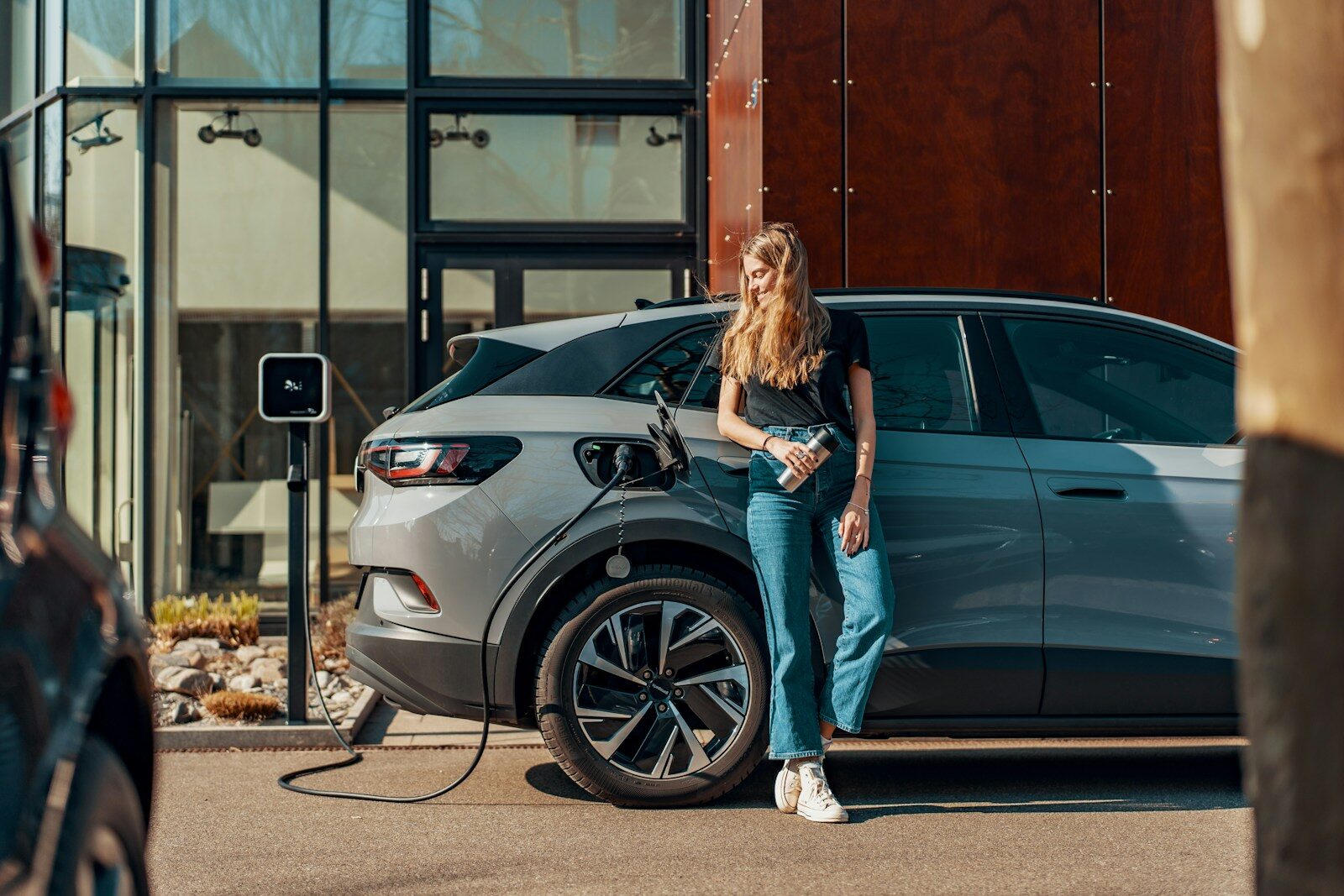
Electric vehicles (EVs) have several drawbacks in the eyes of car buyers that gas-powered cars do not: limited range on a single charge, a sparse public charging network, batteries that don’t fully charge in the cold, and faster tire wear.
Reliability varies from model to model in virtually every vehicle category, and several major studies track it, including the Consumer Reports Automotive Report Card, the JD Power U.S. Customer Service Index (CSI) Study, and research from the Insurance Institute for Highway Safety (IIHS).
EVs also break down differently than gas-powered cars. The biggest concern is battery repair and replacement. As Fixlane reports, “Battery replacement is one of the priciest EV repairs. For instance, replacing a Tesla battery can cost between $5,000 and $20,000, depending on the model and labor involved.” Damaged electrical lines and defective charging equipment can also be expensive to fix.
Another challenge is that many EV makers lack large repair networks. Lucid, for example, sends a truck to handle minor repairs at the owner’s location, but major work requires moving the car to a service center. According to Lucid Owners, “If you live far from a service center, Lucid typically coordinates flatbed transport to haul your vehicle to the nearest facility for major warranty repairs, though remote owners often experience longer turnaround times.”
Of the major reliability studies, Consumer Reports covers by far the broadest range of models. Its data comes from annual Auto Surveys sent to its members. In 2025, the organization received responses on about 380,000 vehicles, covering model years 2000 through 2025 (plus a few from 2026). The survey asks about 20 trouble spots that cause the most problems. For EVs, these include the battery, charging, body hardware, paint and trim, and in-car electronics. The EV analysis covered 32 models.

Consumer Reports also uses a proprietary method to forecast reliability. As it explains, “Predicted reliability is calculated from the average used car verdict, based on the trouble spots reported by our survey respondents for the most recent three years for a given model.”
The least reliable EVs, ranked by Consumer Reports reliability score (0–100, higher is better)
| Rank | Model | CR score |
|---|---|---|
| 1 | Chevrolet Blazer EV | 5 |
| 2 | Lucid Air | 7 |
| 3 | Rivian R1T | 20 |
| 4 | Tesla Model X | 24 |
| 5 | Polestar 2 | 25 |
| 6 | Audi Q8 e-tron | 26 |
| 7 | Ford F-150 Lightning | 28 |
| 8 (tie) | BMW iX | 29 |
| 8 (tie) | Volkswagen ID.4 | 29 |
| 10 (tie) | Honda Prologue | 30 |
| 10 (tie) | Hyundai IONIQ 5 | 30 |
| 10 (tie) | Jaguar I-PACE | 30 |
| 10 (tie) | Mercedes-Benz EQE | 30 |
| 10 (tie) | Mercedes-Benz EQE SUV | 30 |
| 10 (tie) | Mercedes-Benz EQS | 30 |
| 10 (tie) | Mercedes-Benz EQS SUV | 30 |
More from ClimateCrisis 247
- At the Wall of Wind, engineers blow homes apart to learn how to save them
- Is coal really making a comeback?
- States With the Deadliest Tornadoes Since 1950
- The Driest Places in America This Year