These 15 cities Likely to get the most snow this winter
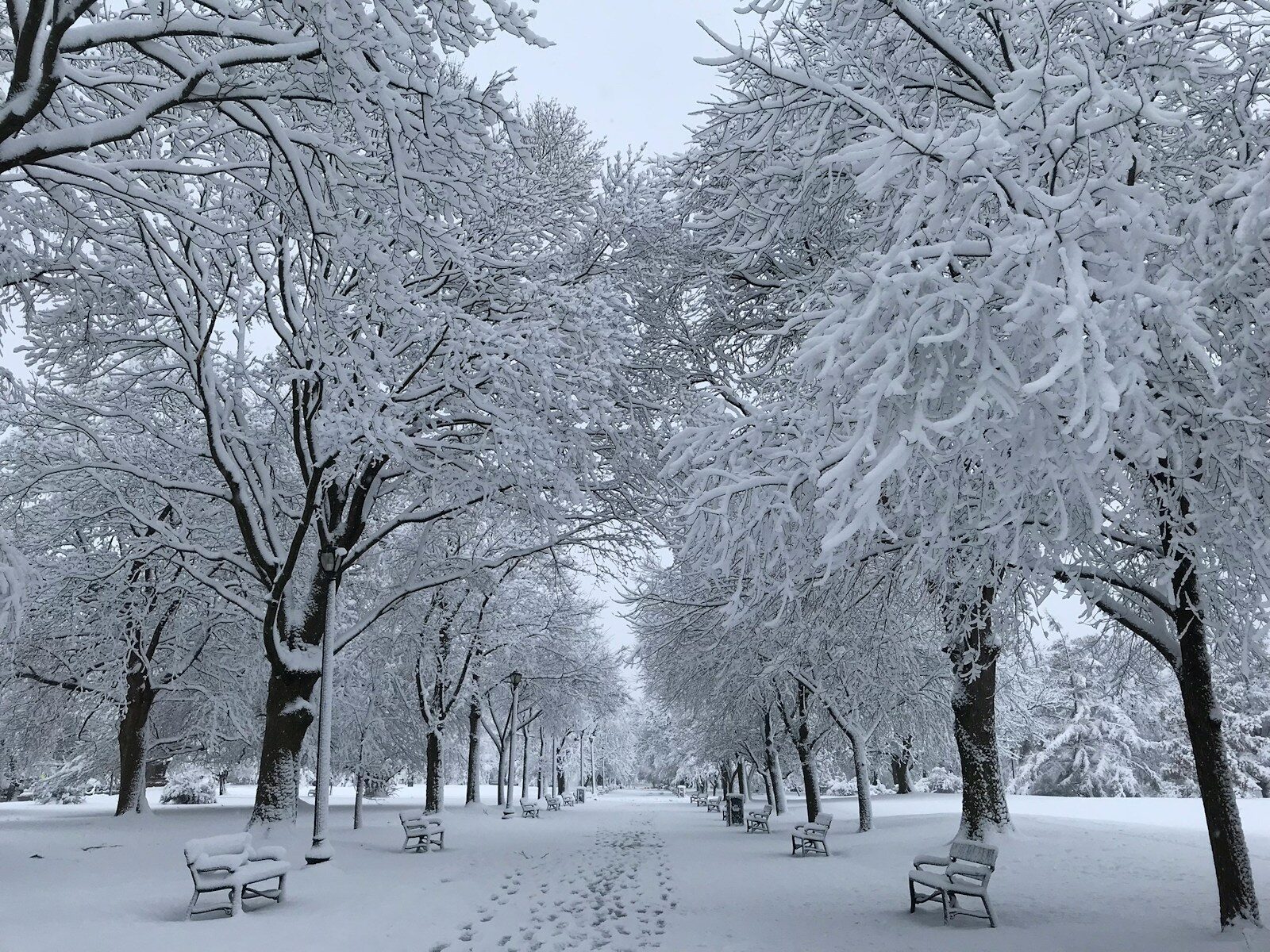
When it comes to weather, one of the best ways to forecast the future is to examine the past, particularly over long periods. Most weather experts look at several decades of history, unless there has been a major recent change in trends.
Phoenix, America’s hottest large city, is a good example. Since 1990, it has reached at least 100 degrees on 100 or more days each year, with only five exceptions. Rain follows a similar pattern. Everett and Tacoma, Wash., are almost always at the top of the list of rainy cities, with more than 170 days of rain per year.
Heavy snow is not confined to one part of the US, although every snowy area is obviously cold. Most of the snowiest places owe their snow to one of two factors.
The first is proximity to the Great Lakes, which produces “lake effect” snow. According to the National Weather Service, “Lake Effect snow occurs when cold air, often originating from Canada, moves across the open waters of the Great Lakes.” Several cities on the list are there because of this pattern, including Syracuse, Rochester, Buffalo and Binghamton, N.Y., and Erie, Pa. In Michigan, Muskegon and Grand Rapids experience a similar effect from Lake Michigan.
The second factor is altitude. Few people would expect one of the snowiest places in the US to be in Arizona, but Flagstaff sits 7,000 feet above sea level. On many days, its temperatures are more than 50 degrees lower than Phoenix’s.
Abundant snow is far from a nuisance in some parts of the country, as the past year has shown. A lack of snow in several Western states added to a terrible drought, because melting snow normally replenishes the region’s rivers. According to the AP in February, “Normal snow cover this time of year should be about 460,000 square miles — about the size of California, Utah, Idaho and Montana — but this year it’s only California-sized, about 155,000 square miles, according to the National Snow and Ice Data Center.” The drought this spring and summer was indeed brutal, and in some cases it contributed to the spread of wildfires.
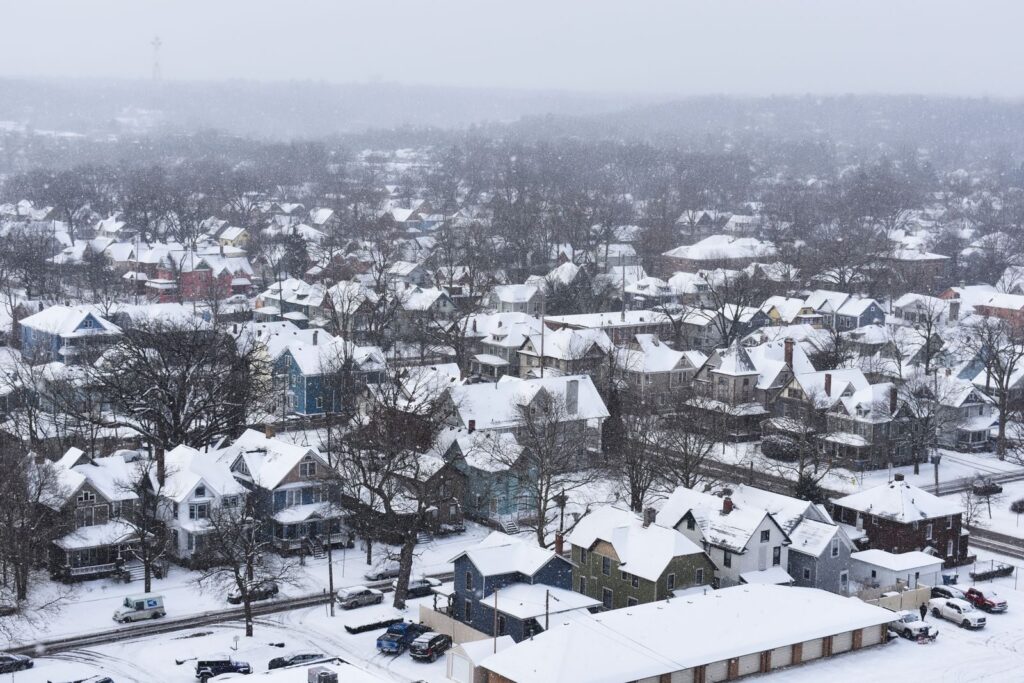
Because long-term averages are a good guide to future weather, the following cities are the most likely to get the most snow this winter. Rankings use NOAA averages for the 1991–2020 period. One caveat: most cities (67 of 84) have had less snow over the last 10 winters than these averages show, with the biggest drops in East Coast and Ohio cities. The rankings are unchanged either way.
| Rank | City | Avg. snowfall per year | Days with 1+ inch of new snow | Days with snow on the ground |
|---|---|---|---|---|
| 1 | Marquette, Mich. | 196.8 in. | 49 | 153 |
| 2 | Syracuse, N.Y. | 127.8 in. | 34 | 80 |
| 3 | Sault Ste. Marie, Mich. | 120.1 in. | 38 | 137 |
| 4 | Caribou, Maine | 118.2 in. | 30 | 136 |
| 5 | Erie, Pa. | 104.3 in. | 28 | 63 |
| 6 | Rochester, N.Y. | 102.0 in. | 29 | 72 |
| 7 | Buffalo, N.Y. | 95.4 in. | 26 | 71 |
| 8 | Duluth, Minn. | 90.2 in. | 25 | 137 |
| 9 | Flagstaff, Ariz. | 90.1 in. | 19 | 62 |
| 10 | Juneau, Alaska | 87.6 in. | 23 | 68 |
| 11 | Burlington, Vt. | 87.5 in. | 23 | 89 |
| 12 | Muskegon, Mich. | 87.2 in. | 27 | 74 |
| 13 | Binghamton, N.Y. | 86.5 in. | 25 | 81 |
| 14 | Anchorage, Alaska | 77.9 in. | 22 | 154 |
| 15 | Grand Rapids, Mich. | 77.6 in. | 24 | 68 |
Sources: NOAA NCEI U.S. Climate Normals, 1991–2020; NOAA NCEI station data files for the 1991–2020 averages
More from ClimateCrisis 247
- How Much Money Does ExxonMobil, Berkshire Hathaway & America’s Other Top Polluters Make?
- Tesla Models With Largest Sales Decline
- 10 US Cities Where Voters Overwhelmingly Rejected Data Centers
- Hurricane Season Ends In Three Weeks. Why Was It Quieter than Normal?