Iran war’s next crisis – lack of water
As we enter week three of the Iran war, oil prices remain high and markets churn on any headlines from the Strait of Hormuz. But a far greater disaster than disruptions to oil supplies threatens the Middle East if the war drags on much longer — a lack of water.
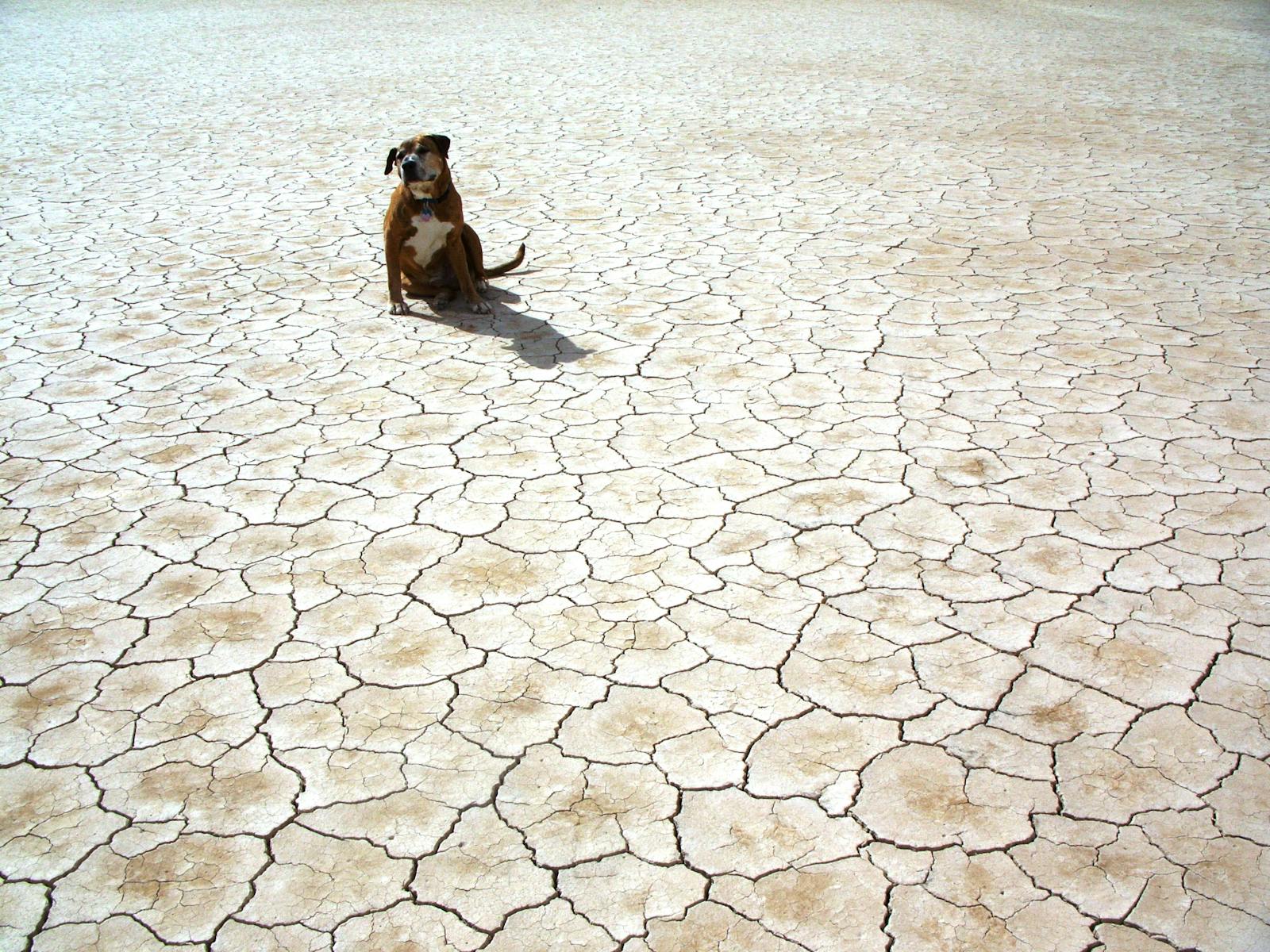
Iran is one of the most water-stressed countries in the world and almost had to evacuate Tehran four months ago as authorities said a five-year drought was bringing it close to what’s called Day Zero, in which there is not enough drinking water to sustain the population.
Other cities have come close to Day Zero in the past five years. Cape Town, South Africa, for instance. Or Chennai, India, or even Mexico City. Corpus Christi, Texas is facing catastrophe right now as it suffers from a major drought, according to reports.
But the war makes things in the Middle East even worse, as many countries rely on expensive and sophisticated desalination plants to provide water to populations too large for the desert environment.
Desalination plants are supposedly off limits from attack because of the humanitarian risk, but already in the first few weeks two plants — one in Iran and one in Bahrain — have been hit by drone missiles.
Iran reportedly responded to a hit to its plant from the U.S. with a hit to the plant in Bahrain. Several other plants operate within range of its missiles in a half dozen other Middle East countries, each of which would create an immediate humanitarian crisis if destroyed.
While Middle East countries in the past have shared water reserves with each other in times of drought, this is not guaranteed in the middle of a major regional war. The crisis is made even worse by attacks on oil facilities that can lead to pollution in available water supplies, or by the fact that many desalination plants are located next to energy facilities that are targets.
War strategists have always speculated that Iran closing the Strait of Hormuz would be the single most dangerous thing it could do if attacked. But the longer the war goes on, and the more water becomes the country’s top vulnerability, the desalination plants will become priorities — and possible targets.