
US Counties Where Wildfires Are Destroying Air Quality
 https://climate-crisis-247-bucket.nyc3.cdn.digitaloceanspaces.com/wp-content/uploads/2025/07/07211101/sfkf6gsape0-150x150.jpg
Dozens of wildfires are raging across broad swaths of Canada and the United States. The fires are impacting each state along the Pacific Coast, including Alaska, as well as several landlocked Western states. In Canada, the wildfires are largely concentrated in the provinces of Saskatchewan and Manitoba, but some stretch as far east as Ontario. The most immediate threat posed by the fires are the structures and forestland in their path – and so far, over a million acres across the Western United States and nearly 9 million acres across Canada have burned. But this week, large volumes of smoke produced by the fires are putting public health at risk in parts of the Midwest and Northeastern United States.
Smoke from the Western and Canadian wildfires contain large quantities of fine particulate matter, a mixture of pollutants with a diameter of 2.5 micrometers or less, into the atmosphere. In high concentrations, fine particulate matter, or PM2.5, has been linked to asthma attacks, acute and chronic bronchitis, problems with the heart and lungs, and premature mortality.
The Air Quality Index, or AQI, is a standardized indicator of the concentration of pollutants suspended in the air, measured on a scale of 0 to 500. When the AQI reaches 101, the air is considered unhealthy for sensitive groups, including children and older adults. An AQI above 150 indicates the air can be unhealthy for the general public, and an AQI of 301 and up indicate hazardous, emergency conditions.
In the coming week, the AQI is expected to range between 101 and 150 in states along the Atlantic coast stretching from Rhode Island down through Virginia, including all of Long Island. Parts of Indiana, Iowa, Ohio, and West Virginia will have similar levels of PM2.5, putting sensitive groups at risk. Meanwhile, all of Minnesota and Wisconsin are expected to have an AQI of over 101, and in large sections of those states, the AQI may rise as high as 200.
But while these states are currently suffering through a period of low air quality, such potentially harmful conditions are far more commonplace in other parts of the country.
Using data from Atrocious Air, a First Street National Risk Assessment report, Climate Crisis 247 identified the U.S. counties where wildfires are destroying air quality. We ranked the 10 U.S. counties estimated to have the most days per year in which wildfire smoke reduces air quality to an AQI of at least 101. Projected future estimates of air quality also came from the First Street report. Supplemental data on population are five-year estimates from the U.S. Census Bureau’s 2023 American Community Survey. Only counties with at least 100,000 properties were considered.
The counties on this list span three states – California, Colorado, and Oregon – and are collectively home to nearly 4.9 million Americans.
10. El Dorado County, California
- Estimated number of days with unhealthy air quality due to wildfires in 2024: 31 days
- Projected number of days with unhealthy air quality due to wildfires in 2054: 34 days
- County population: 192,299
9. Placer County, California
- Estimated number of days with unhealthy air quality due to wildfires in 2024: 32 days
- Projected number of days with unhealthy air quality due to wildfires in 2054: 34 days
- County population: 412,435
8. Lane County, Oregon
- Estimated number of days with unhealthy air quality due to wildfires in 2024: 33 days
- Projected number of days with unhealthy air quality due to wildfires in 2054: 33 days
- County population: 382,628
7. Deschutes County, Oregon
- Estimated number of days with unhealthy air quality due to wildfires in 2024: 33 days
- Projected number of days with unhealthy air quality due to wildfires in 2054: 34 days
- County population: 203,026
6. Larimer County, Colorado
- Estimated number of days with unhealthy air quality due to wildfires in 2024: 34 days
- Projected number of days with unhealthy air quality due to wildfires in 2054: 36 days
- County population: 363,561
5. Marion County, Oregon
- Estimated number of days with unhealthy air quality due to wildfires in 2024: 35 days
- Projected number of days with unhealthy air quality due to wildfires in 2054: 38 days
- County population: 346,532
4. Sonoma County, California
- Estimated number of days with unhealthy air quality due to wildfires in 2024: 36 days
- Projected number of days with unhealthy air quality due to wildfires in 2054: 37 days
- County population: 485,642
3. Kern County, California
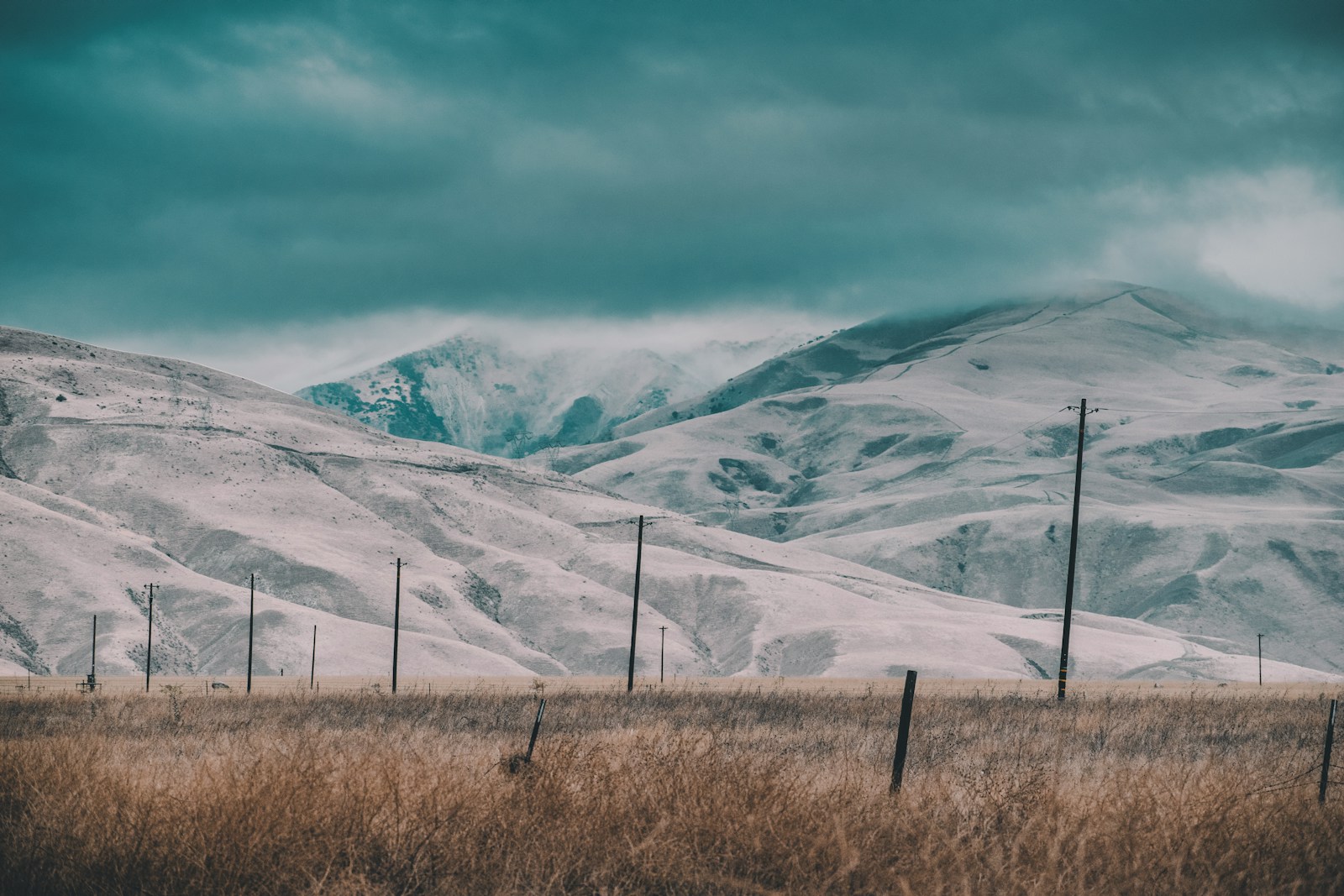
- Estimated number of days with unhealthy air quality due to wildfires in 2024: 40 days
- Projected number of days with unhealthy air quality due to wildfires in 2054: 40 days
- County population: 910,433
2. Tulare County, California
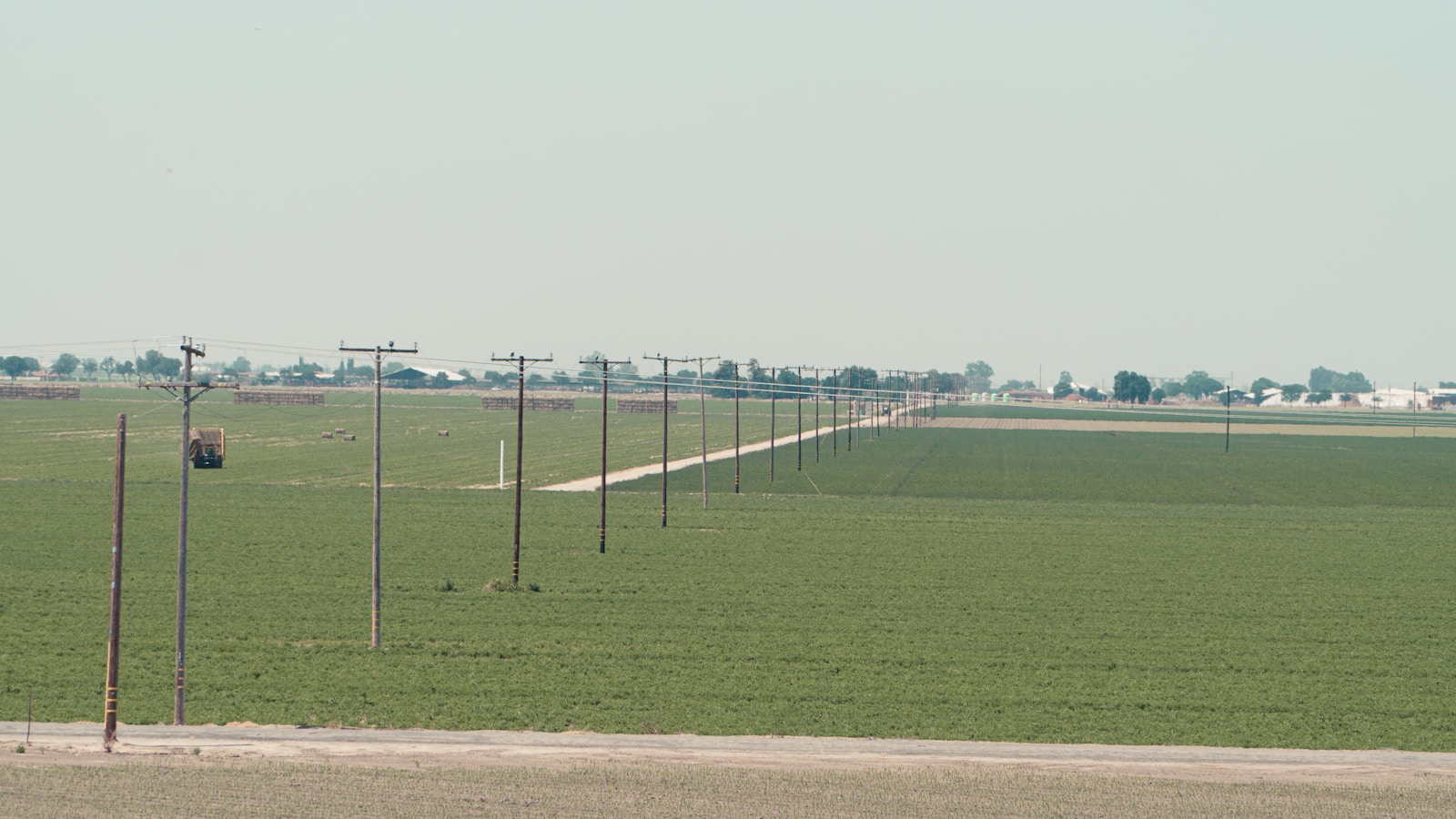
- Estimated number of days with unhealthy air quality due to wildfires in 2024: 66 days
- Projected number of days with unhealthy air quality due to wildfires in 2054: 67 days
- County population: 475,774
1. Fresno County, California
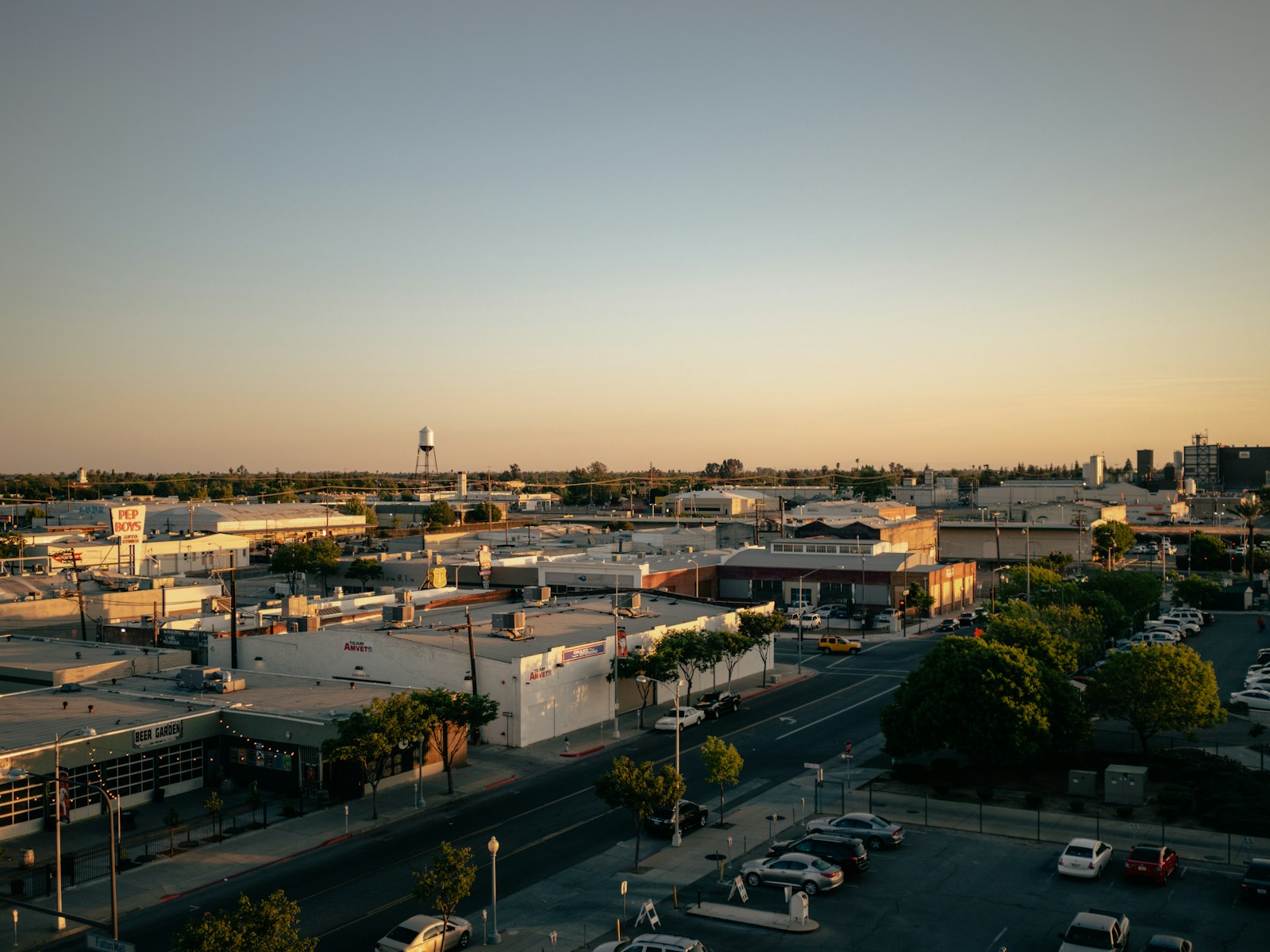
- Estimated number of days with unhealthy air quality due to wildfires in 2024: 66 days
- Projected number of days with unhealthy air quality due to wildfires in 2054: 69 days
- County population: 1,012,152