100 Degrees in January? 10 Hottest Winter Temperatures on Record in US

Average winter temperatures across the contiguous 48 U.S. states have been rising consistently since the late 1800s, largely due to human-induced climate change. While the increase doesn’t follow a straight upward line year after year—natural factors like El Niño and Arctic oscillations contribute to variability—the overall trend shows a consistent upward trajectory over this period.
Long-Term Warming Trends:
- 1895–Present: NOAA’s National Centers for Environmental Information (NCEI) data shows that the contiguous U.S. average winter temperature has warmed at a rate of nearly 1.45°F per century since 1895, part of a broader pattern where cold seasons and high latitudes warm fastest.
- 1970–Present: Winters have warmed even more rapidly during this period. Climate Central’s analysis of NOAA data shows an average increase of about 3°F across the 48 states compared to pre-industrial levels. From 1970 to 2024, county-level trends show warming in almost every geographic part of the nation, with the northern U.S. experiencing the most significant increases.
- Record Warm Winters: The 2023–24 winter was the warmest on record at 37.6°F (5.4°F above the 20th-century average), surpassing the previous high from 2015–16 by 0.82°F. The 2024–25 winter averaged 34.1°F (1.9°F above average), ranking in the warmest third.
Based on verified records from NOAA’s National Centers for Environmental Information (NCEI), state climate extremes committees, and historical weather archives, the following are the top 10 highest daily maximum temperatures measured in the contiguous United States during the official astronomical winter months (December 21 to March 20). These are primarily drawn from state-specific records and cross-verified against date ranges. All temperatures are in °F and occurred at official weather stations. Note that early December records are excluded to adhere to the astronomical definition of winter.
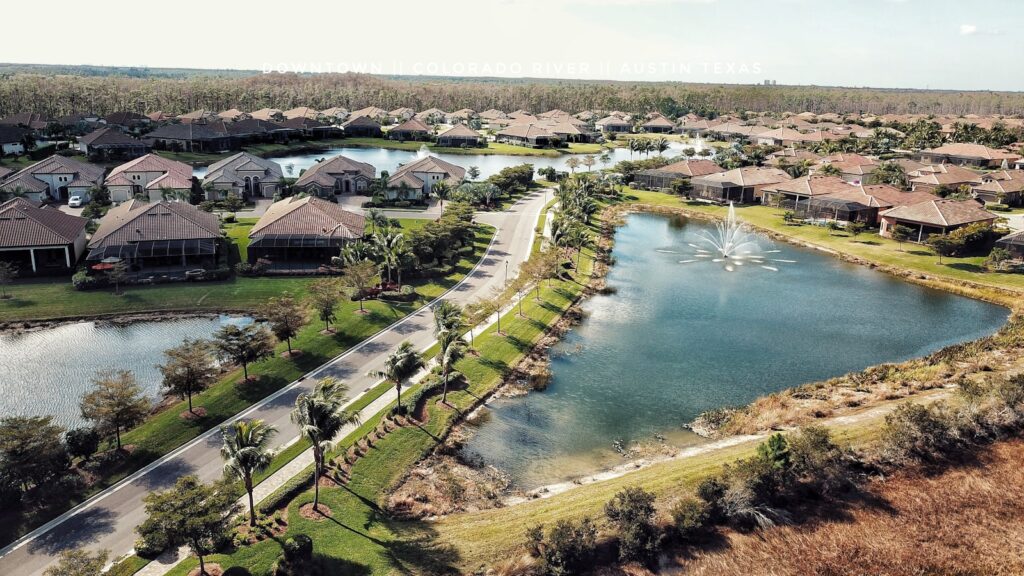
- 100°F – January 7, 1906 – Fort Myers, Florida – Also the state record for January; part of a Southeast warm wave during an unusual high-pressure weather event.
- 99°F – February 26, 1910 – Laredo, Texas – State record for February; southerly flow from the Gulf of Mexico triggered extreme heat.
- 98°F – February 5, 1930 – Naples, Florida – Near-state record for February; triggered by a warm air mass in the Southeast.
- 97°F – January 22, 1885 – New Orleans, Louisiana – Verified historical January extreme; pre-1900 data confirmed by NOAA.
- 96°F – January 21, 1937 – Hope, Arkansas – State January record; tied with multiple sites during a widespread Southern heat event.
- 95°F – February 10, 1967 – McAllen, Texas – Rio Grande Valley February high; influenced by El Niño-like patterns.
- 94°F – January 18, 1935 – Brownsville, Texas – Southeast Texas January peak; subtropical ridge amplified warmth.
- 93°F – February 25, 1918 – Gadsden, Arizona – State February record; desert chinook winds contributed to the spike.
- 92°F – February 19, 1986 – Lake Havasu City, Arizona – Southwest desert February high; clear skies and downslope warming contributed.
- 91°F – March 1, 1910 – Casa Grande, Arizona – Early March extreme; part of a prolonged warm spell in the Southwest.
These records demonstrate the role of high-pressure systems in producing winter heat extremes, primarily in the South and Southwest. NOAA reports that the national average temperature during astronomical winter is approximately 34°F, making these deviations extreme outliers.
The National Oceanic and Atmospheric Administration (NOAA) was established in 1970 as the parent agency of the National Weather Service, which was founded in 1870. Through its APIs, NOAA provides the public with vast amounts of weather history data, some dating back almost two centuries. The organization maintains over 10,000 weather data gathering stations across the country.
Sponsor
Find a Vetted Financial Advisor
- Finding a fiduciary financial advisor doesn't have to be hard. SmartAsset's free tool matches you with up to 3 financial advisors that serve your area in 5 minutes.
- Each advisor has been vetted by SmartAsset and is held to a fiduciary standard to act in your best interests. Get on the path toward achieving your financial goals!