New Report: States Where Coastal Flooding Could Spread Toxic Chemicals
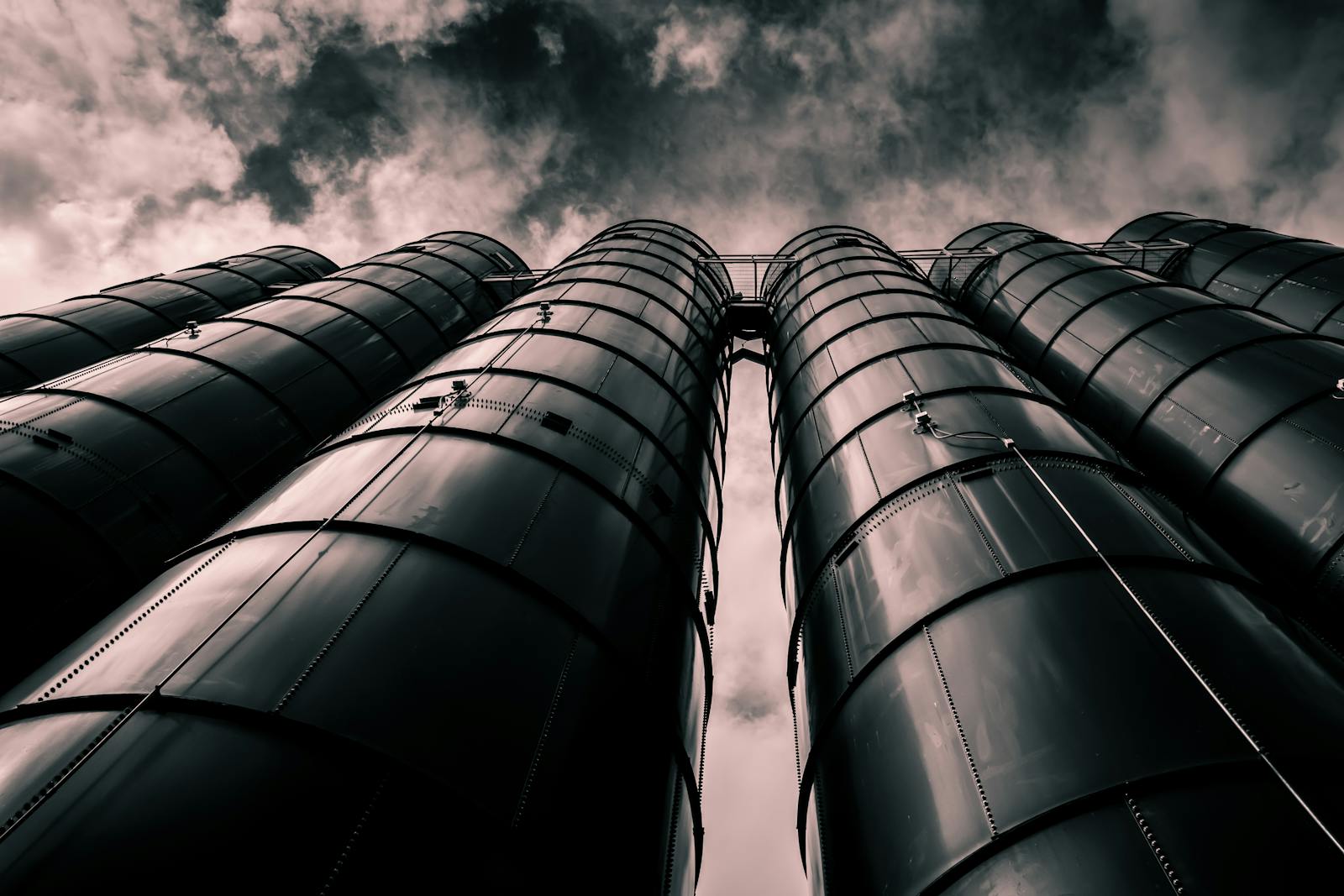
As sea levels climb and coastal flooding becomes a routine part of American life, thousands of industrial sites, refineries, sewage plants, and legacy contamination hotspots are becoming higher risk. In a new nationwide analysis published in Nature Communications, researchers found that by 2100, more than 5,500 hazardous facilities – from oil terminals to nuclear power plants – could face 1-in-100-year flood levels every single year, dramatically raising the odds of toxic spills into nearby neighborhoods.
The vast majority of these sites are clustered in just seven states, but the risks ripple far beyond industrial zones. Many of the facilities most vulnerable to sea-level rise are in socially marginalized communities already overburdened by pollution, poverty, and limited political power. In some coastal neighborhoods, poverty is strongly correlated with the presence of flood-exposed toxic sites.
For residents living near toxic sites in coastal neighborhoods, rising water levels carries the additional risk of toxic contamination. With more extreme floods projected in the coming decades, experts warn that climate-driven toxic spills become increasingly common, especially in communities that have the fewest resources to respond. A closer look at the data reveals the states where coastal flooding could cause the most toxic spills.
To determine the states where coastal flooding could cause the most toxic spills, Climate Crisis 247 reviewed data on toxic site locations from the November 2025 paper “Sea level rise and flooding of hazardous sites in marginalized communities across the United States.” The top five states were ranked based on the number of flood-prone toxic facilities in their borders.
5. California
While not traditionally thought of as a petrochemical hub, California’s long coastline and large inventory of industrial facilities, ports, sewage plants, and legacy hazardous sites place it in the top tier of national risk. Many of the state’s vulnerable sites lie near densely populated urban neighborhoods already facing compounding climate stress.
4. Texas
The Texas Gulf Coast – home to some of the world’s largest petrochemical complexes – is a hotspot for rising toxic-spill risk. By the end of the century, Texas is projected to have hundreds of at-risk oil and gas wells, refineries, ports, and industrial sites, many of them concentrated in communities still recovering from industrial releases during storms like Hurricane Harvey.
3. New Jersey
The densest state in the nation also has one of the densest concentrations of hazardous coastal facilities. New Jersey’s refineries, sewage plants, and industrial TRI sites place it firmly among the top high-risk states. Under RCP 8.5, New Jersey sees one of the steepest jumps in power-plant and wastewater-treatment flood exposure by 2100.
2. Florida
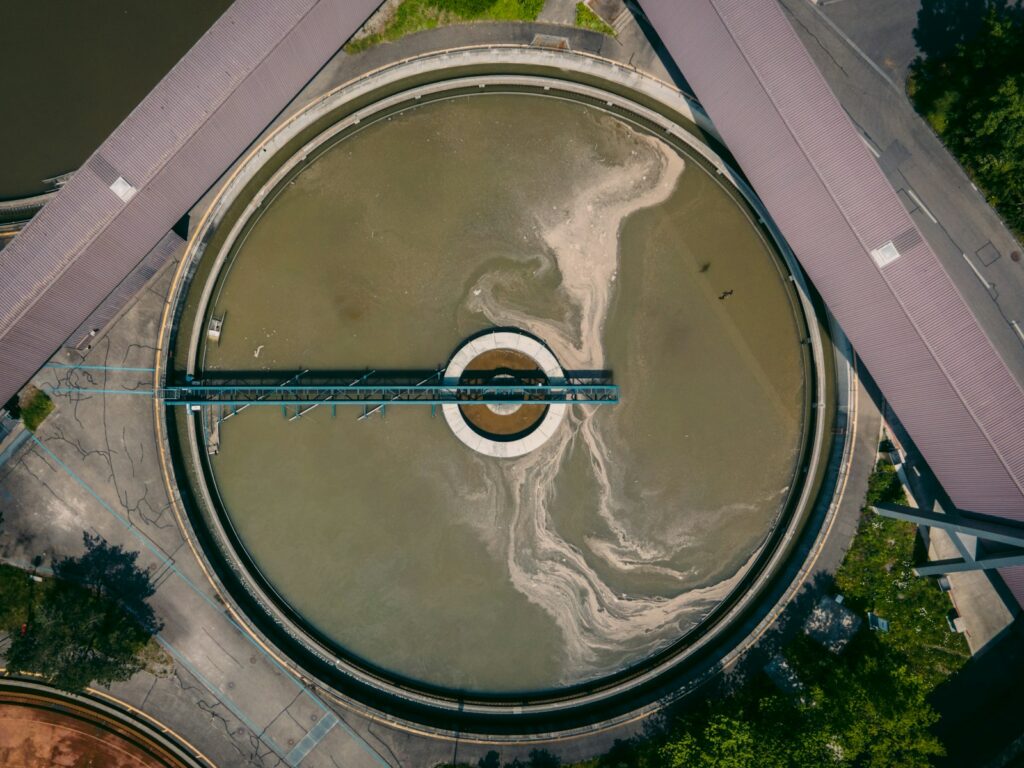
Sea-level rise, porous geology, and sprawling coastal development combine to make Florida one of the most vulnerable states. The study shows Florida holding one of the largest clusters of at-risk industrial and wastewater facilities, with risk sharply increasing by mid-century. Many of these sites sit in fast-growing counties with limited flood-protection infrastructure.
1. Louisiana
The epicenter of America’s coastal industrial risk, Louisiana’s low-lying geography and dense concentration of refineries, fossil-fuel terminals, industrial facilities, and oil and gas wells place it at the very top of projected toxic-spill danger. By 2100, the state is expected to host more flood-exposed hazardous sites than anywhere else in the country, threatening communities stretching from the Mississippi River corridor to the Gulf Coast.
Sponsor
Find a Vetted Financial Advisor
- Finding a fiduciary financial advisor doesn't have to be hard. SmartAsset's free tool matches you with up to 3 financial advisors that serve your area in 5 minutes.
- Each advisor has been vetted by SmartAsset and is held to a fiduciary standard to act in your best interests. Get on the path toward achieving your financial goals!