Places In The US Where People Don’t Have Electricity
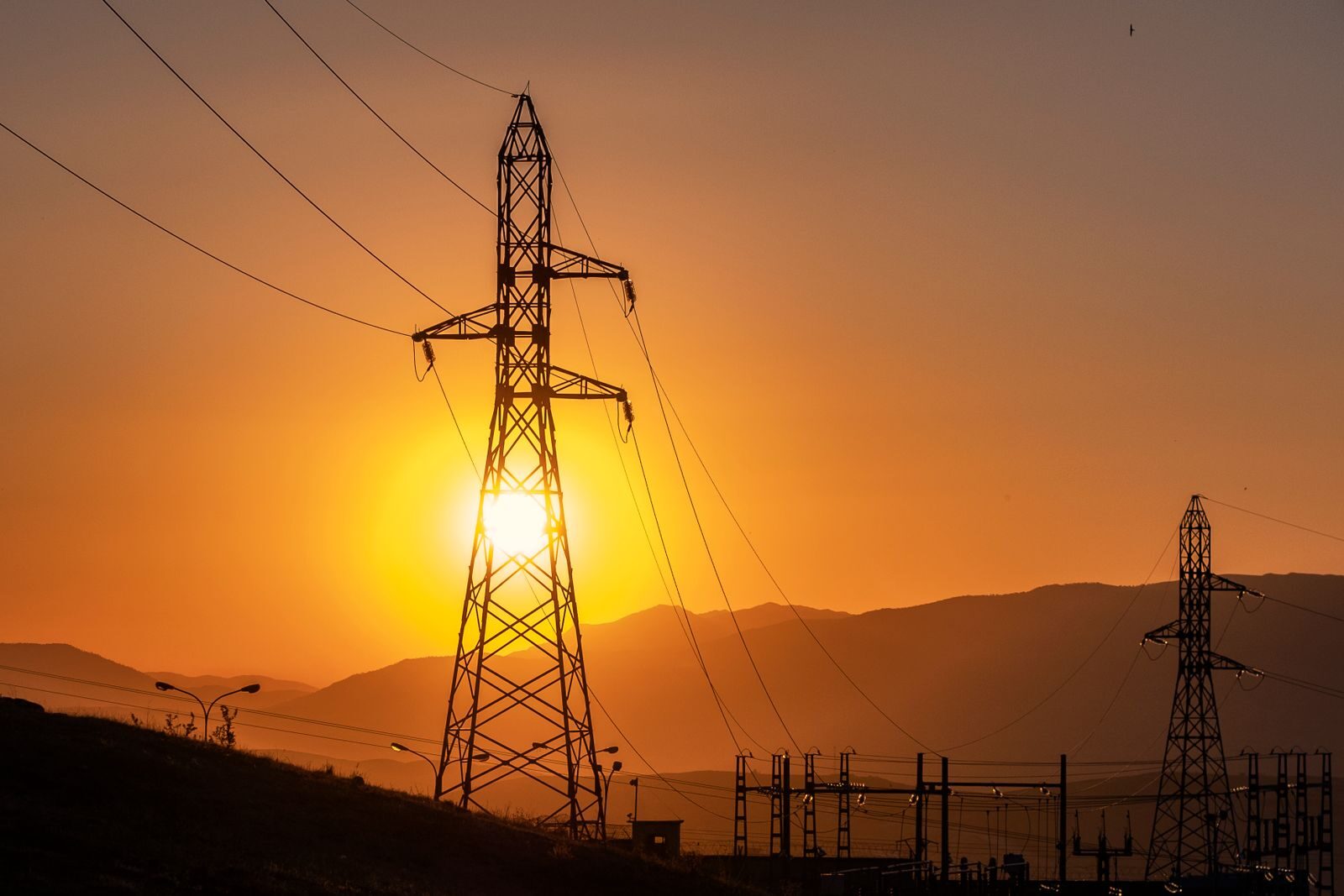
According to the World Bank’s “Access to Electricity” index, 100% of the U.S. population has electricity. The federal government’s own data tells a different story. The Department of Energy’s “Tribal Energy Access” study found that Tribal households nationwide face an energy burden 28% above average, and an estimated 17,000 Tribal homes have no electricity at all — affecting at least 54,000 people. That’s a small fraction of the total U.S. population, but a significant one.
Because many of these households live on Indian reservations, they tend to be concentrated in specific regions. The reasons vary — some are financial, others stem from complex tribal land regulations. In practical terms, extending power lines for miles to reach a handful of households is often considered cost-prohibitive, and the high poverty rates in these areas only compound the problem.
Indian tribes were historically excluded from the Rural Electrification Act of 1936, which funded distribution systems through federal loans. A Department of Energy report, “Tribal Electricity Access and Reliability,” notes that Indian land boundaries often form a “checkerboard” pattern, meaning construction permissions vary widely depending on complex ownership structures. Rural electric lines elsewhere were largely funded with public money, and it remains unclear why that funding didn’t extend to reservation borders. For the families living without power today, though, that history matters less than the daily reality of going without.
Utilities weigh the cost of delivering power against expected revenue, and for remote areas — including many reservations — the math often discourages investment. As a result, families can wait years, even decades, for a grid connection. NPR reports that some Native American families on vast reservations like the Navajo Nation face exactly that kind of wait, driven by connection costs averaging $40,000 per home, sparse populations, and decades of underinvestment.
The Navajo Nation spans roughly 27,000 square miles — about the size of West Virginia. According to the Light Up Navajo initiative, connecting every home in the area would cost close to $1 billion.
Texas border colonias
The lack of electricity in Texas’s border colonias — communities within 150 miles of the U.S.-Mexico border — stems primarily from land development practices rather than geography.
In the 1950s, developers bought agriculturally worthless land, divided it into lots without infrastructure, and sold them to low-income buyers through contracts for deed. These contracts required only small down payments but withheld legal title until the final payment was made. Because developers never built out electrical infrastructure, the areas stayed dark.
Without title to their land, residents had no legal standing with governments or utility companies. And because homes were built up gradually over many years, utilities had little financial incentive to extend service. Texas lawmakers eventually passed measures to address the problem, including the Economically Distressed Areas Program. As Brookings describes it, these peri-urban communities — transitional areas on city outskirts where urban and rural land uses mix — often lack paved roads, drainage systems, safe drinking water, and other essential services.
Rural Alaska
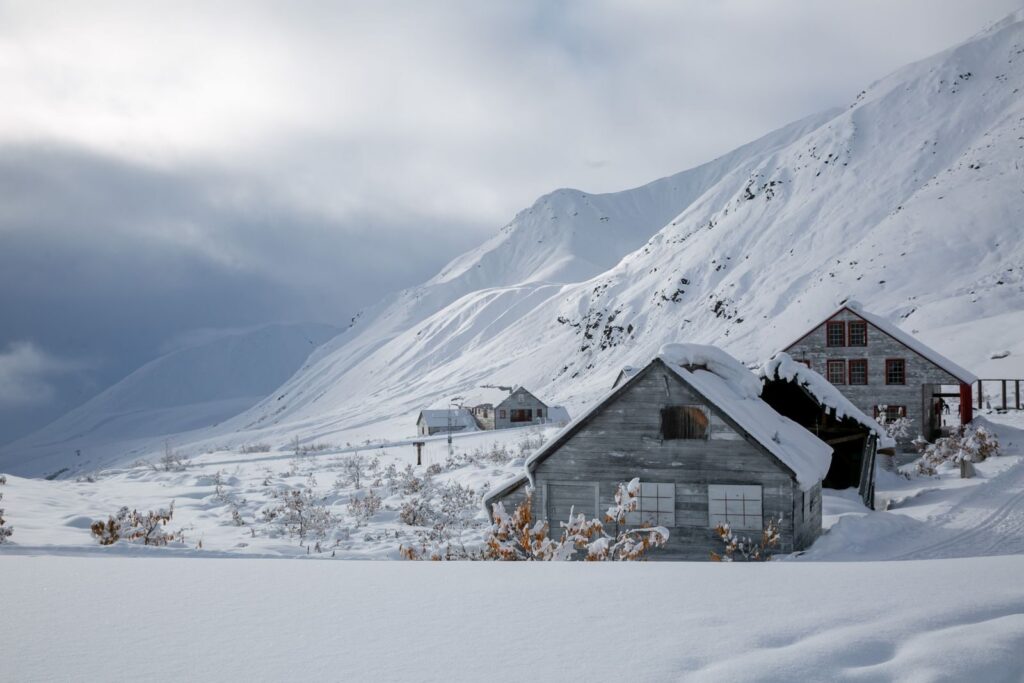
Electricity gaps in rural Alaska are less common but still present, and they typically involve microgrids rather than a total lack of service. As the University of Alaska explains, fuel for many rural communities must arrive by barge in summer or costly air freight the rest of the year, leaving them vulnerable to supply disruptions and high fuel costs.
The DOE describes these communities as having “arguably the lowest power reliability” in the nation, with outages from equipment failure or fuel shortages sometimes lasting days or months. Because of their remoteness, the department notes, microgrids are expensive to build and maintain, and imported fuel comes at a premium. Some of these communities may eventually need to relocate entirely to secure reliable power.
Common threads
These communities tend to share a few traits: they’re impoverished, remote, and spread across large geographic areas.
Affected areas
| Place | County/Borough | State | Primary cause |
|---|---|---|---|
| Chinle, Rough Rock, Black Mesa | Apache | AZ | Widely spread houses on poorly built roads; connection costs too high |
| Kayenta, Pinon, Hard Rock, Forest Lake | Navajo | AZ | Houses located far apart; high infrastructure costs |
| Cameron, Bodaway/Gap, Coppermine, Tuba City outskirts | Coconino | AZ | Federal ban on construction and utility installation in certain zones |
| First, Second, and Third Mesa villages (incl. Old Oraibi, Hotevilla) | Navajo | AZ | Expensive terrain for infrastructure; utilities have declined service |
| Nenahnezad, Sanostee, Tsé Daa K’aan | San Juan | NM | Lines would cross Indian and state-owned public land; some homes require individual approval |
| Church Rock, Iyanbito, Baca/Prewitt, Ojo Encino | McKinley | NM | No home-site lease; poverty limits residents’ leverage |
| Navajo Mountain, Oljato, Dennehotso vicinity | San Juan | UT | Terrain makes infrastructure build-out extremely costly |
| Mescalero Apache Reservation | Otero | NM | Mountainous terrain, scattered housing |
| Kotzebue, Buckland, Deering, Ambler, Shungnak, Kiana | Northwest Arctic | AK | Isolated diesel microgrids; fuel barged in during a short ice-free window or flown in |
| Kasigluk, Napakiak, Oscarville, Bethel | Bethel | AK | Diesel dependence; riverbank erosion complicates infrastructure |
| Pitka’s Point, St. Mary’s, Mountain Village | Kusilvak | AK | Isolated microgrids |
| Wales, Shaktoolik, Savoonga, Gambell, Nome | Nome | AK | Storm exposure plus fuel transport logistics |
| Adak, St. Paul | Aleutians West | AK | Extreme isolation and poverty |
| La Presa and surrounding colonias, Laredo area | Webb | TX | Lots without title; affects roughly 15,000 colonia residents |
Climatecrisis247 drew on data from the World Bank, the Department of Energy, NPR, Texas Monthly, the American Public Power Association, the Texas Commission on Environmental Quality, various state and local studies, and other media sources.
More from ClimateCrisis 247
- Climate Denial in America’s Fastest Warming Congressional Districts
- Congressional Candidates With the Strongest Environmental Records
- Fastest Warming Congressional Districts Where Politician is Funded by Fossil Fuel Industry
- America’s Best And Worst Cities To Own An EV