States that Have closed the most nuclear reactors
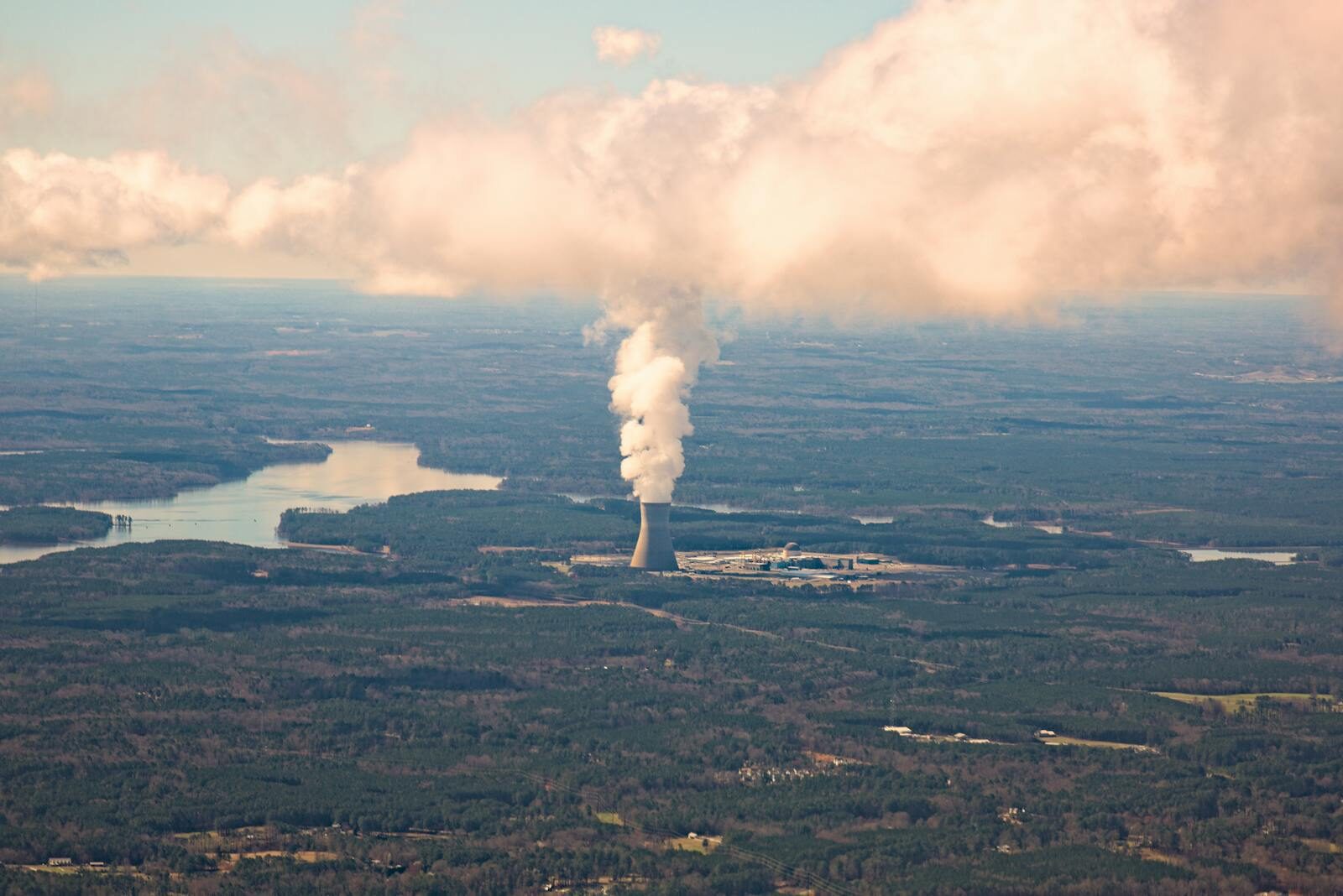
Nuclear reactors once seemed to offer almost limitless promise as a source of clean energy. The first full-scale nuclear power plant was built by the Westinghouse Electric Corporation for the Duquesne Light Company in Shippingport, PA, northeast of Pittsburgh. It became operational on December 2, 1957.
From the opening of the Shippingport facility through 1970, new reactor facilities came online at a pace of single digits per year. The numbers rose sharply in 1971 to 16, and climbed to 26 by 1974, with the double-digit pace continuing through the decade.
On March 28, 1979, a partial meltdown occurred at the Unit 2 reactor of the Three Mile Island Nuclear Generating Station, located near Harrisburg, PA. That year, the number of reactors coming online dropped to seven. The pace eventually returned to double digits, but public fear of nuclear power never entirely faded. A 2025 Pew study found that among Americans who oppose expanding nuclear power, safety concerns are the most common reason, cited by 44% of respondents — including those who consider nuclear power generally unsafe and those worried about the risks of catastrophe or harm to human health.
Nuclear energy remains one of the largest sources of electricity in the United States, accounting for roughly 19% of total generation, according to the U.S. Energy Information Administration. Fossil fuels, despite their significant environmental damage, still account for 60%. By comparison, the U.S. lags well behind several other developed nations in nuclear electricity generation — France generates 67% of its electricity from nuclear, Finland 39%, and South Korea 32%.
The most commonly cited reason for shutting down nuclear plants in the U.S. is that nuclear power is not price-competitive in most parts of the country, with natural gas frequently cited as a cheaper alternative. As the EIA notes, financial pressures from competitive wholesale power markets remain the primary driver of nuclear plant retirements.
In compiling its list of the states that have permanently shuttered the most nuclear plants, Climate Crisis 247 drew on data from the U.S. Nuclear Regulatory Commission and the U.S. Energy Information Administration — specifically the EIA’s Nuclear Reactor Shutdown List and NRC decommissioning records. To date, 41 locations have permanently shut down. Plant closures tend to be concentrated in a few states, typically due to a combination of historical early experimental reactors, economic pressures, regulatory decisions, or site-specific challenges.
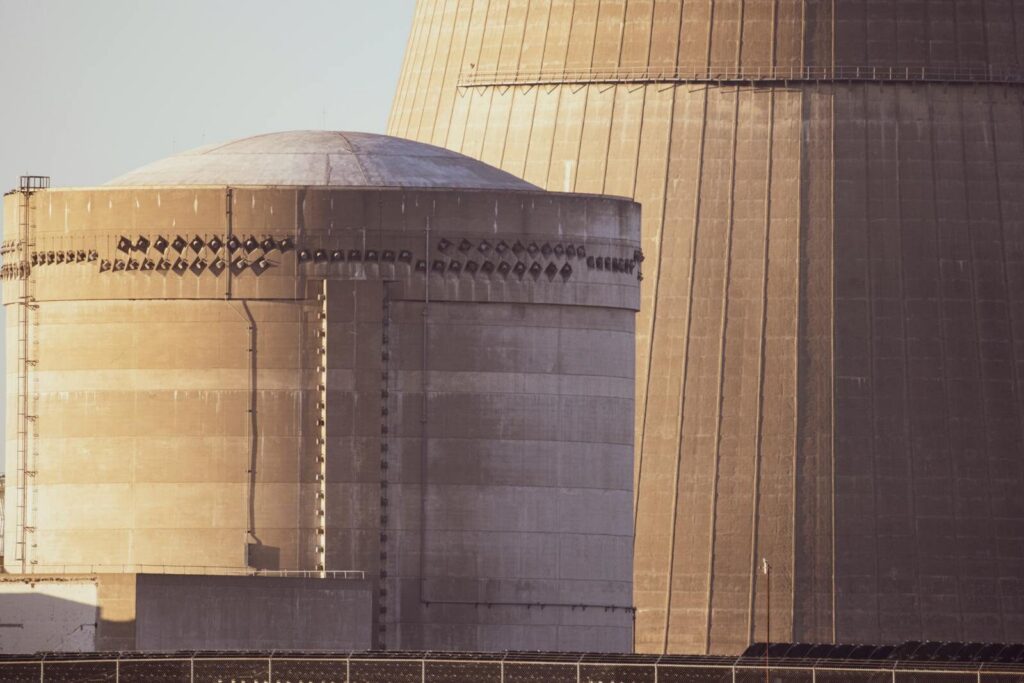
Here are the top states ranked by number of permanently shut down nuclear reactors:
California — 6 closed reactors
- San Onofre
- Nuclear Generating Station Units 1, 2, and 3
- Humboldt Bay Unit 3
- Rancho Seco
- Vallecitos (prototype)
Illinois — 4 closed reactors
- Zion Nuclear Power Station Units 1 and 2
- Dresden Unit 1 (early BWR)
New York — 4 closed reactors
- Indian Point Units 1, 2, and 3
- Shoreham (shut down due to public opposition)
Pennsylvania — 3–4 closed reactors (depending on whether early prototypes are counted)
- Three Mile Island Unit 2 (currently being reopened by Microsoft to power AI operations)
- Shippingport; Peach Bottom Unit 1
- Saxton (small experimental)
Florida and Wisconsin — approximately 2–3 closures each
- Florida: Crystal River 3
- Wisconsin: Kewaunee
- La Crosse (early small BWR)
Nuclear power may be experiencing a revival. Electricity demand from AI data centers has already outpaced what most regions of the U.S. can reliably supply, and nuclear is increasingly seen as a solution. While traditional nuclear plants take years to build, newer designs — known as Advanced Small Modular Reactors (SMRs) — offer a faster and more flexible path forward. According to the Department of Energy, SMRs offer advantages including smaller physical footprints, lower capital investment, the ability to be sited in locations unsuitable for larger plants, and incremental power capacity additions, along with distinct safeguards and nonproliferation benefits.
In a recent research paper titled “Is nuclear energy the answer to AI data centers’ power consumption?” Goldman Sachs noted that several major tech companies have already signed contracts for new nuclear capacity as they seek low-carbon, round-the-clock energy sources — and that more such deals are likely ahead.