States with most oil wells
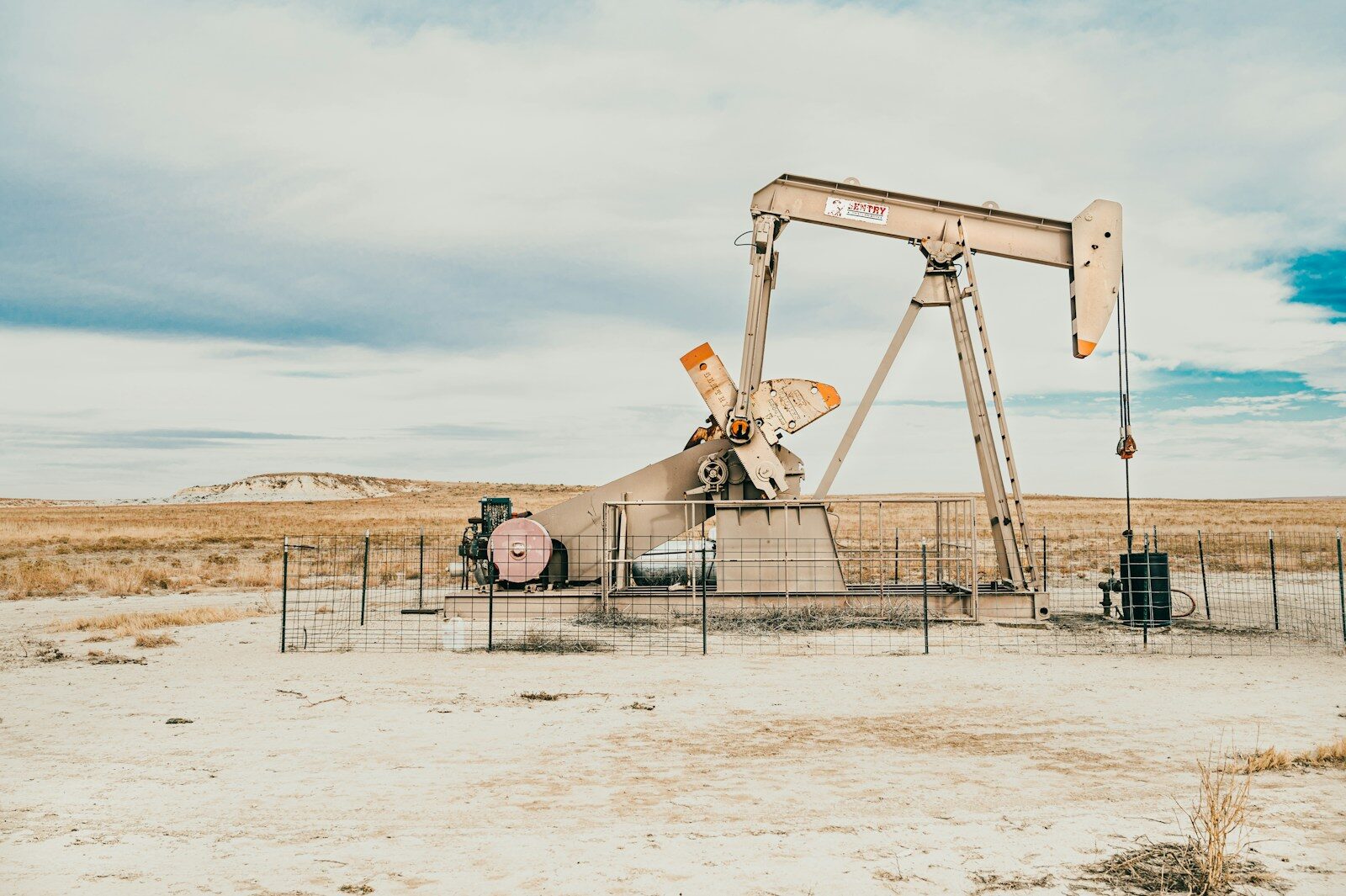
Most US oil and natural gas production is concentrated in a handful of states, which together supply much of the nation’s crude. The US is a net exporter of oil and natural gas, though it still imports some oil for certain refined products — the majority of which comes from Canada.
The Netherlands is a major importer of US oil, redistributing it across Europe. Many of the largest importing nations are in Asia, particularly South Korea, Japan, and China. Trade disputes had slowed the flow to China, but that is changing: as First Post reported, China appears to be quietly returning to the US energy market, with fresh data showing a resumption of crude oil and liquefied natural gas (LNG) purchases after a year-long hiatus. According to the commodities analytics firm Kpler, nearly 600,000 barrels per day of American crude are scheduled to be loaded onto China-bound tankers in April.
The states with the most oil and gas wells generally produce the most oil, and together they have reshaped the national energy industry and economy. US production recently hit a record high: according to the EIA, an average of 13.4 million barrels per day (b/d) of crude oil was produced in August 2024. After decades of heavy reliance on imports — particularly from the Middle East — the US achieved energy independence in 2019 for the first time since 1957, according to the Institute for Energy Research.
These oil-rich states are now supplying crude to an increasingly oil-hungry world. The ongoing Iran conflict has left massive quantities of oil and natural gas stranded on tankers, in some cases for weeks, with no resolution in sight. This supply disruption is the primary driver behind current high oil prices: West Texas Intermediate (WTI) now sits at $105 per barrel, up from $57 at the start of the year. Compounding the problem, some Middle Eastern producers have exhausted their export storage capacity. Kuwait has begun cutting production due to lack of storage space, and Saudi Arabia has recently reduced output by 20% for the same reason.
Among the world’s largest oil importers — China, India, Japan, South Korea, Germany, Spain, and Italy — there is no easy solution if Middle Eastern supply remains blocked for an extended period. The natural gas situation is equally concerning. While the US is the world’s largest producer, most of its output is consumed domestically. Iran, Qatar, and Saudi Arabia are all major LNG producers, but their exports are largely bottlenecked by the conflict.
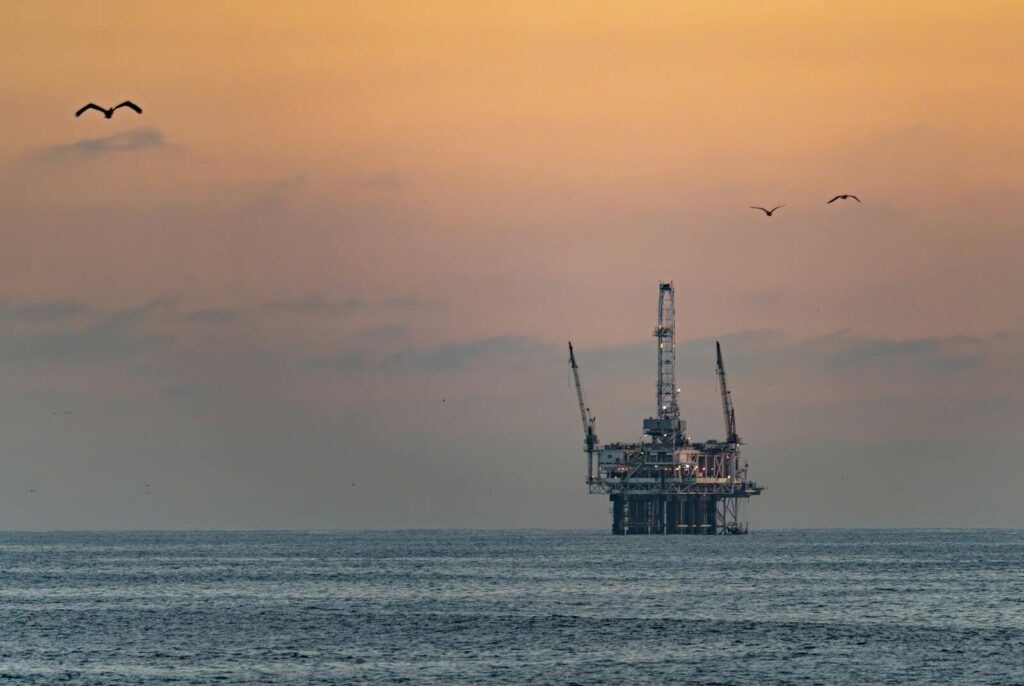
The US has approximately 918,000 producing oil and gas wells, according to the EIA. The nine states with the highest well counts likely account for roughly half of that total. Offshore drilling is also a significant source of crude: the Gulf of Mexico alone hosts around 3,500 oil and gas structures and tens of thousands of inactive wells, making it one of the most concentrated areas of offshore fossil fuel infrastructure in the world.
The most recent reliable data on producing oil and natural gas wells by state comes from the EIA’s “U.S. Oil and Natural Gas Wells by Production Rate” report, supplemented by the U.S. Geological Survey, Drilling Edge, and Energy Now. The following is an analysis of total producing wells by state for 2024, broken down by oil and natural gas wells:
- Texas: 281,164 total (160,353 oil; 120,811 gas)
- Pennsylvania: 84,427 total (10,952 oil; 73,475 gas)
- Oklahoma: 67,302 total (27,951 oil; 39,351 gas)
- Kansas: 65,607 total (47,698 oil; 17,909 gas)
- New Mexico: 62,044 total (20,047 oil; 41,997 gas)
- West Virginia: 56,630 total (3,933 oil; 52,697 gas)
- California: 46,766 total (42,130 oil; 4,636 gas)
- Colorado: 43,860 total (6,040 oil; 37,820 gas)
- Ohio: 35,866 total (10,411 oil; 25,455 gas)