“Drill, Baby, Drill” Collides With Endangered Species
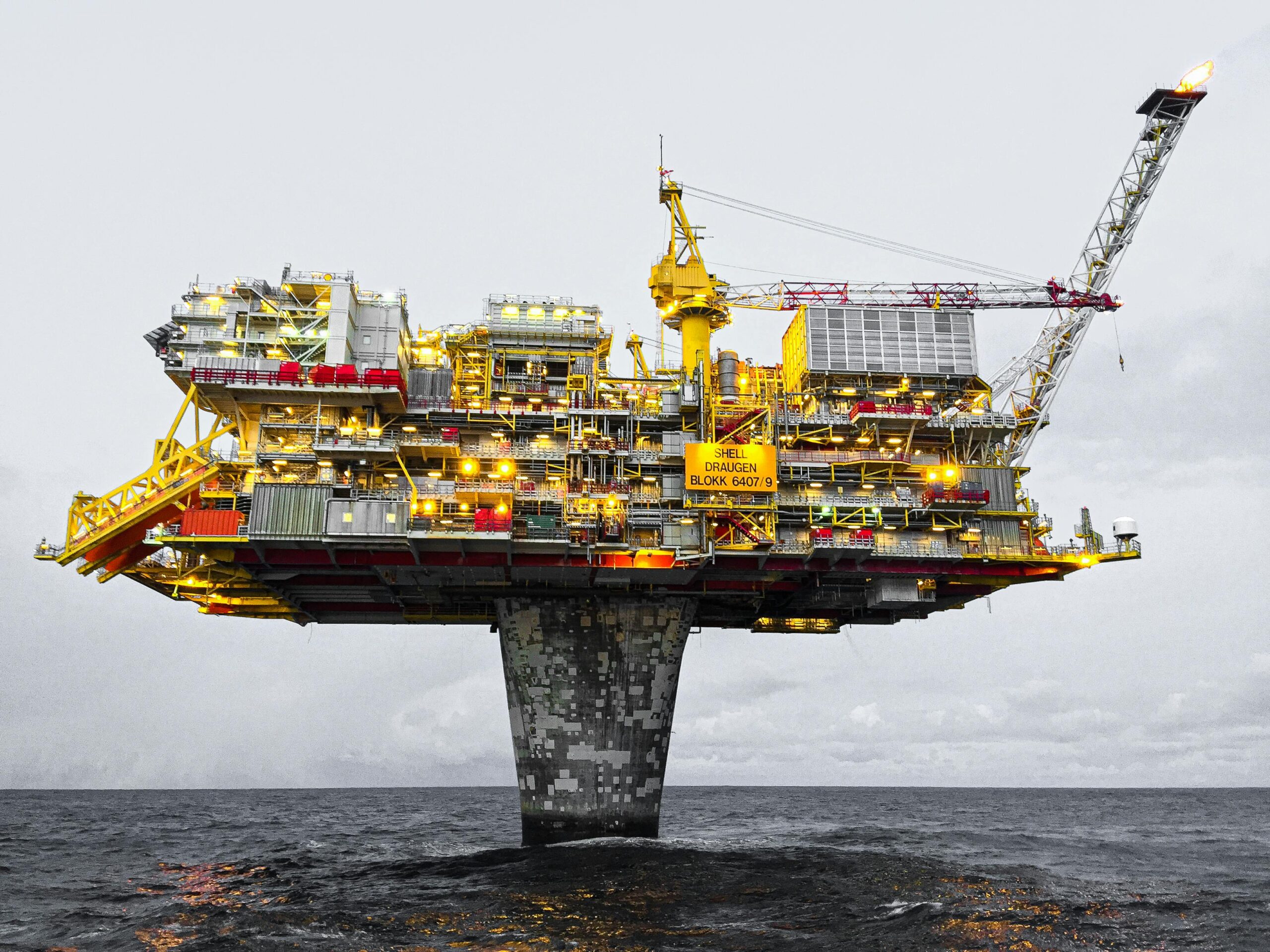
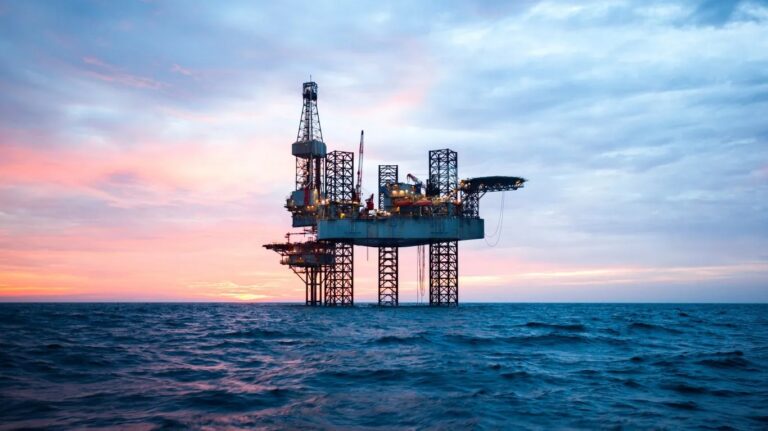
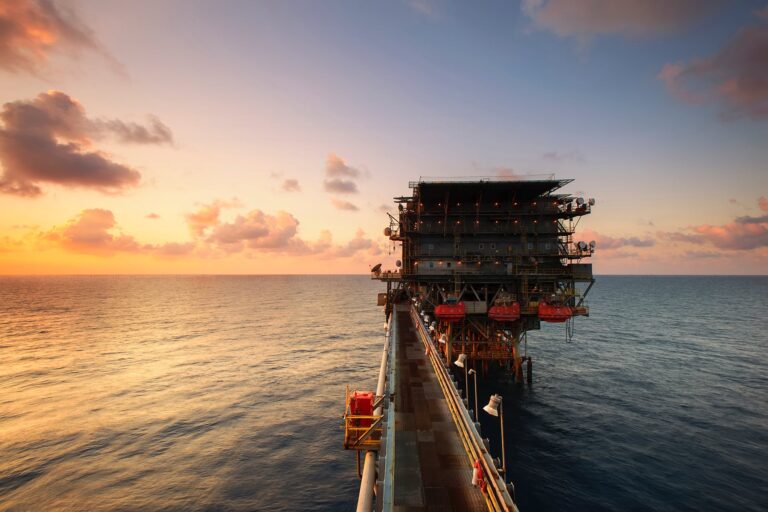
Despite the substantial reluctance of oil companies to take up President Trump’s “Drill, Baby, Drill” plan, the Endangered Species Committee will allow oil companies to drill in the Gulf of Mexico. Environmental groups say this will endanger several species, including the whales that live there. The act that created this committee “requires federal agencies (often referred to as action agencies) to ensure that actions they undertake, authorize, or fund are not likely to jeopardize threatened or endangered species (i.e., listed species) or adversely modify designated critical habitat of listed species.”
According to the New York Times, the group is also known as “The God Squad” because, indeed, its decisions affect the future life or death of some plants and animals. The Times adds, “Until Tuesday, the God Squad had convened only three times, and never in the past three decades.”
Among the justifications for the committee’s decision is the growing argument by the Trump Administration that the US needs to be energy independent, particularly in light of oil and gas supply disruptions caused by the Iran War. It should be noted that the US has been a “net energy exporter” since 2019. This is particularly true of oil and petroleum products. The EIA reports, “Increased U.S. crude oil and natural gas production reduced the need for crude oil and natural gas imports and also contributed to increased crude oil and natural gas exports.”
“Drill, Baby, Drill” was supposed to encourage a surge in oil exploration. It has not worked that way. In January of last year, the White House released an executive order titled “Unleashing American Energy.” The argument was that demand for energy in the US was so high that an expansion of supply was needed to boost the national economy. “These high energy costs devastate American consumers by driving up the cost of transportation, heating, utilities, farming, and manufacturing, while weakening our national security,” the order stated
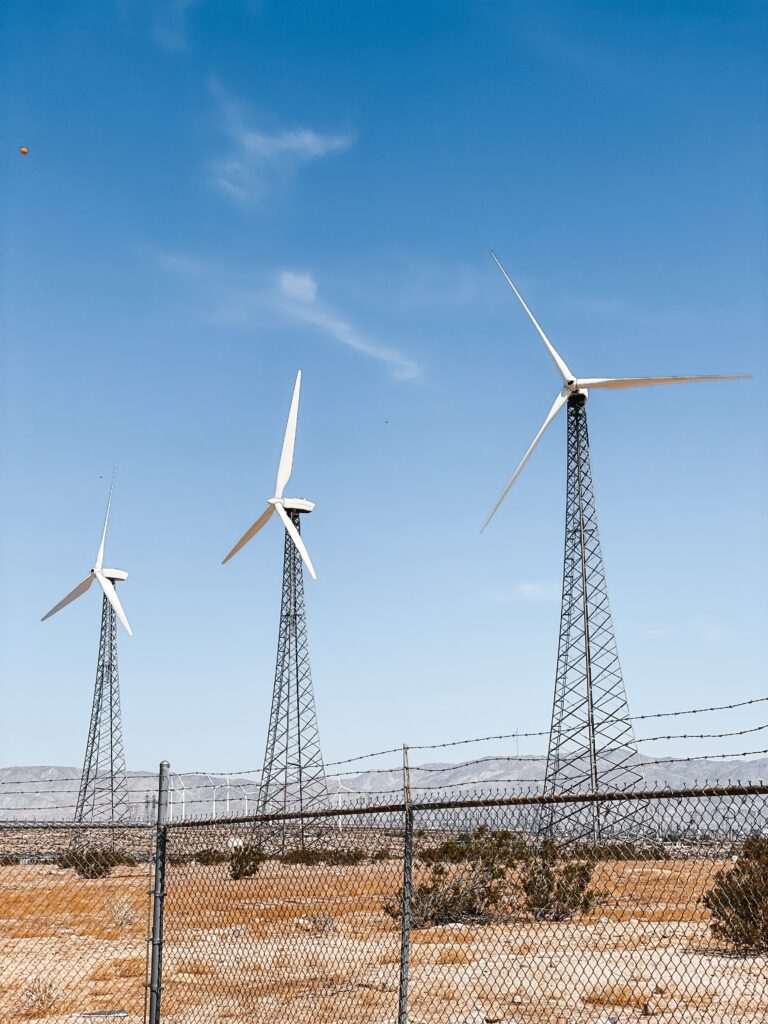
The Administration’s order also did a great deal to curb efforts to expand green energy. Part of this was the end of the $7,500 EV tax credit on September 30. EV sales fell sharply in the fourth quarter. Credits for residential solar were also eliminated. The Administration also issued additional executive orders to shutter several offshore wind farms, costing large wind companies billions of dollars. Some of these companies sued and mostly won these cases, and will restart their projects.
Instead of moving toward more drilling, large oil companies cut thousands of jobs. Skip York, an oil and gas expert and nonresident fellow at the Rice University Baker Institute’s Center for Energy Studies, told Oil and Gas News Watch, that exploration was an enemy to the stock prices of big oil companies. “The pressure on them is to keep delivering returns to investors. It’s not ‘drill, baby, drill. It’s ‘profit, baby, profit.’”
Another prime example of the oil companies’ lack of interest in exploration is the drilling leases offered in Alaska’s Cook Inlet federal waters. According to Alaska Beacon, there were no bids. The U.S. The Bureau of Ocean Energy Management, which oversees oil and gas leasing in federal offshore territory, announced on its website, “At this time, no bids have been received.”
An estimate by Reuters was that Exxon could make a small fortune if prices stayed high. “Exxon produces close to 5 million barrels of oil per day. Assuming the same price rise per barrel, additional revenues in March would add up to about $5.1 billion.”
Instead of drilling to provide the energy independence of the US, oil companies have decided to skip that and make more money with the production they have. The Endangered Species Committee has opened the door to more oil and gas exploration. It remains to be seen if they will walk through it.
More from ClimateCrisis 247
- From Deepwater Horizon to Donora: America’s Biggest Environmental Disasters
- While Consumers Pay More, Big Oil Makes Millions Every Hour
- The Highest Gas Prices of the Last 50 Years
- The 20 Largest Oil-Producing Nations in the World