The 10 Countries Dumping The Most Plastic Into The Ocean
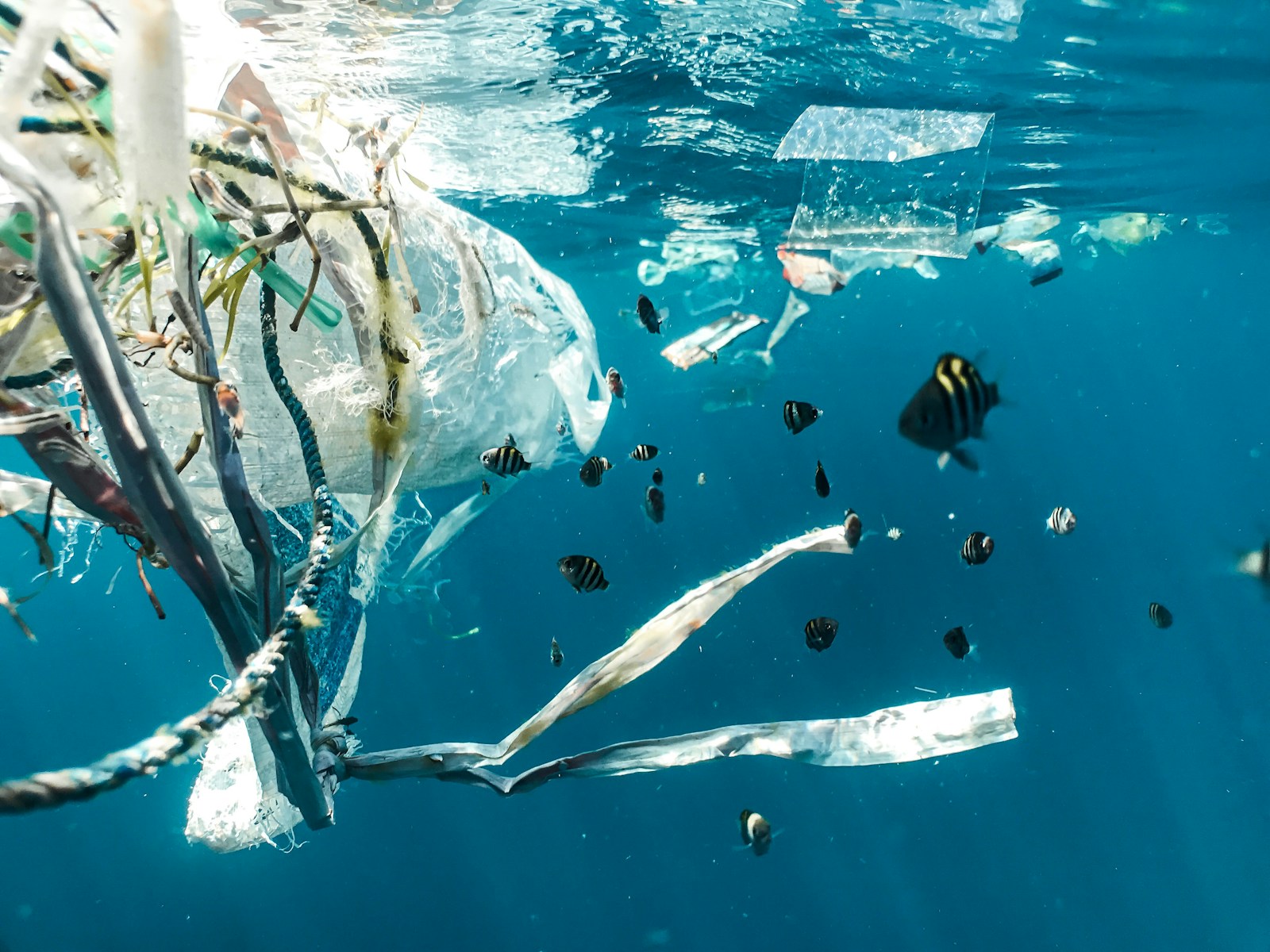
A new study finds that a handful of nations are responsible for the vast majority of plastic waste entering the world’s oceans. Just 10 countries account for more than 80% of all ocean-bound plastic, with the Philippines alone contributing 36% – more than any other country.
Waste management varies widely around the world, leading to vast differences in marine pollution mitigation. While less than 1% of plastic waste generated in the United States ends up in the ocean, in some countries more than 10% of plastic waste reaches the world’s oceans. A closer look at the data reveals which countries are most responsible for global plastic emissions.
To identify the nations sending the most plastic into the ocean, Climate Crisis 247 analyzed data from the April 2021 study “More than 1000 rivers account for 80% of global riverine plastic emissions into the ocean.” Countries are ranked by the total amount of plastic waste that enters the ocean annually. Population figures come from the World Bank.
10. Nigeria
Nigeria contributes about 18,640 metric tons of plastic to the ocean each year, ranking 10th globally. Rapid urban expansion and limited formal waste systems allow large amounts of trash to enter rivers and drainage channels. Seasonal floods often sweep accumulated waste toward the coast, accelerating losses into the ocean. Without major improvements in infrastructure, plastic leakage is likely to grow.
9. Thailand
Thailand releases roughly 22,806 metric tons of plastic into the ocean annually. Tourism-heavy coastal regions generate large amounts of single-use plastics, while waste systems struggle to keep pace. Many waterways, especially in urban Bangkok, act as major conduits for plastic washed into the Gulf of Thailand. Efforts to curb plastic bag use have begun, but the country still faces a steep challenge.
8. Bangladesh
Bangladesh sends an estimated 24,640 metric tons of plastic into the ocean each year. Dense urban centers like Dhaka generate significant waste, and inadequate collection means much of it ends up in rivers. The country’s vast river network – flowing toward the Bay of Bengal – makes leakage hard to contain. Monsoon rains further push discarded plastic downstream.
7. Vietnam
Vietnam contributes about 28,221 metric tons of ocean-bound plastic annually. Rapid economic growth and rising consumption have outpaced improvements in recycling and disposal. The Mekong River, flowing from inland cities to the South China Sea, is a major pathway for waste migration. Coastal regions dependent on fishing and tourism are particularly affected by the pollution.
6. Brazil
Brazil emits roughly 37,799 metric tons of plastic into the ocean each year. Urban sprawl around major cities like Rio and São Paulo generates large volumes of unmanaged waste, much of which reaches rivers. The Amazon Basin also transports plastic thousands of miles toward the Atlantic. Informal waste collection is widespread but insufficient to prevent leakage.
5. Indonesia
Indonesia releases an estimated 56,333 metric tons of plastic into the ocean annually. As an archipelago of more than 17,000 islands, the country has an enormous coastline where waste can easily reach the sea. Rivers like the Citarum – often called among the most polluted in the world – carry plastic directly into coastal waters. Despite major cleanup campaigns, plastic leakage remains severe.
4. China
China contributes about 70,707 metric tons of plastic to the ocean each year. Industrial growth and consumer waste created immense pressure on disposal systems, especially in earlier decades. The country has since enacted strict waste-import bans and expanded recycling, but plastic leakage persists through major river systems like the Yangtze. Rural-to-urban migration has also strained municipal waste capacity.
3. Malaysia
Malaysia sends an estimated 73,098 metric tons of plastic into the ocean annually, one of the highest totals relative to its population size. The country became a major destination for global plastic scrap after China’s import ban, overwhelming domestic recycling capacity. Illegal dumps and open burning sites contribute significantly to leakage into rivers. Coastal regions on both peninsulas face mounting marine debris.
2. India
India releases roughly 126,513 metric tons of plastic into the ocean each year. Explosive growth in consumer goods has created far more waste than municipal systems can handle. Rivers such as the Ganges transport enormous volumes of plastic from inland cities to the Bay of Bengal. Seasonal flooding, informal dumping, and limited recycling intensify the problem.
1. Philippines
The Philippines is the world’s largest source of ocean-bound plastic, contributing 356,371 metric tons annually – more than a third of the global total. Heavily populated coastlines and thousands of river mouths make leakage extremely difficult to control. Informal waste disposal, combined with frequent typhoons and flooding, pushes huge amounts of plastic into waterways. Even small improvements in waste management here could have an outsized global impact.