The 10 Most Sustainable Countries In The World
Each year, the Environmental Performance Index (EPI) publishes a report ranking countries on their environmental performance. This article looks at the top 10 nations in the 2026 edition, which covers 177 countries and serves as our primary source, with a few exceptions.
The rankings draw on metrics covering environmental health and protection. The data is organized into 12 categories, including air quality, forests, fisheries, and climate, and is drawn from international agreements. The methodology relies heavily on the OECD handbook, which was created, among other purposes, to rate and rank entities on data and policy.
The ratings are divided into three weighted categories:
- Ecosystem health (45%): evaluations of wildlife habitat, forests, fisheries, and farming.
- Climate change (30%): driven largely by greenhouse gas emissions and whether they are rising or falling.
- Human health (25%): built from data on air pollution, drinking water, and sanitation.
As the authors write, “These indicators provide a gauge at a national scale of how close countries are to established environmental policy targets.” They hope the index will help governments set better policy on sustainability practices, laws, and regulations.
Scores can theoretically range from 0 to 100, with 100 being the best. In practice, the highest score belongs to Estonia at 74.79, followed closely by Luxembourg at 74.24.
The top 10 consists of wealthy European nations, most of them EU members, plus the UK and Norway. Each scores well across every metric:
Clean air and water
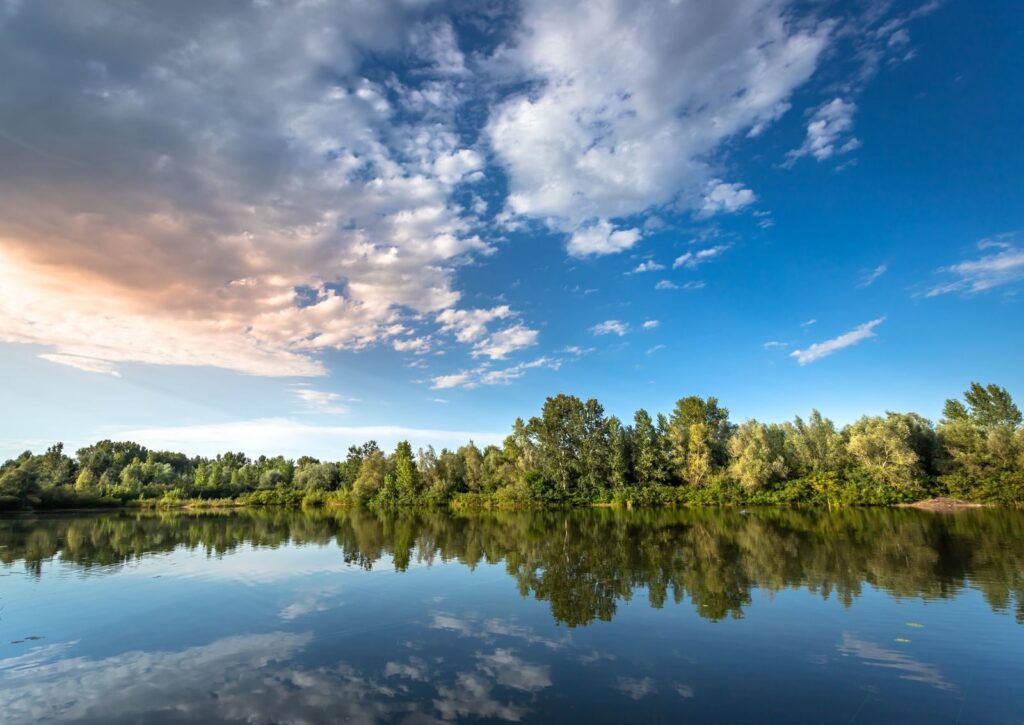
Finland ranks first among all 177 nations on the environmental health measure, followed by Norway and Sweden, which tie for second. Each of these three leads the world in regulations that keep greenhouse gas production low.
Falling emissions
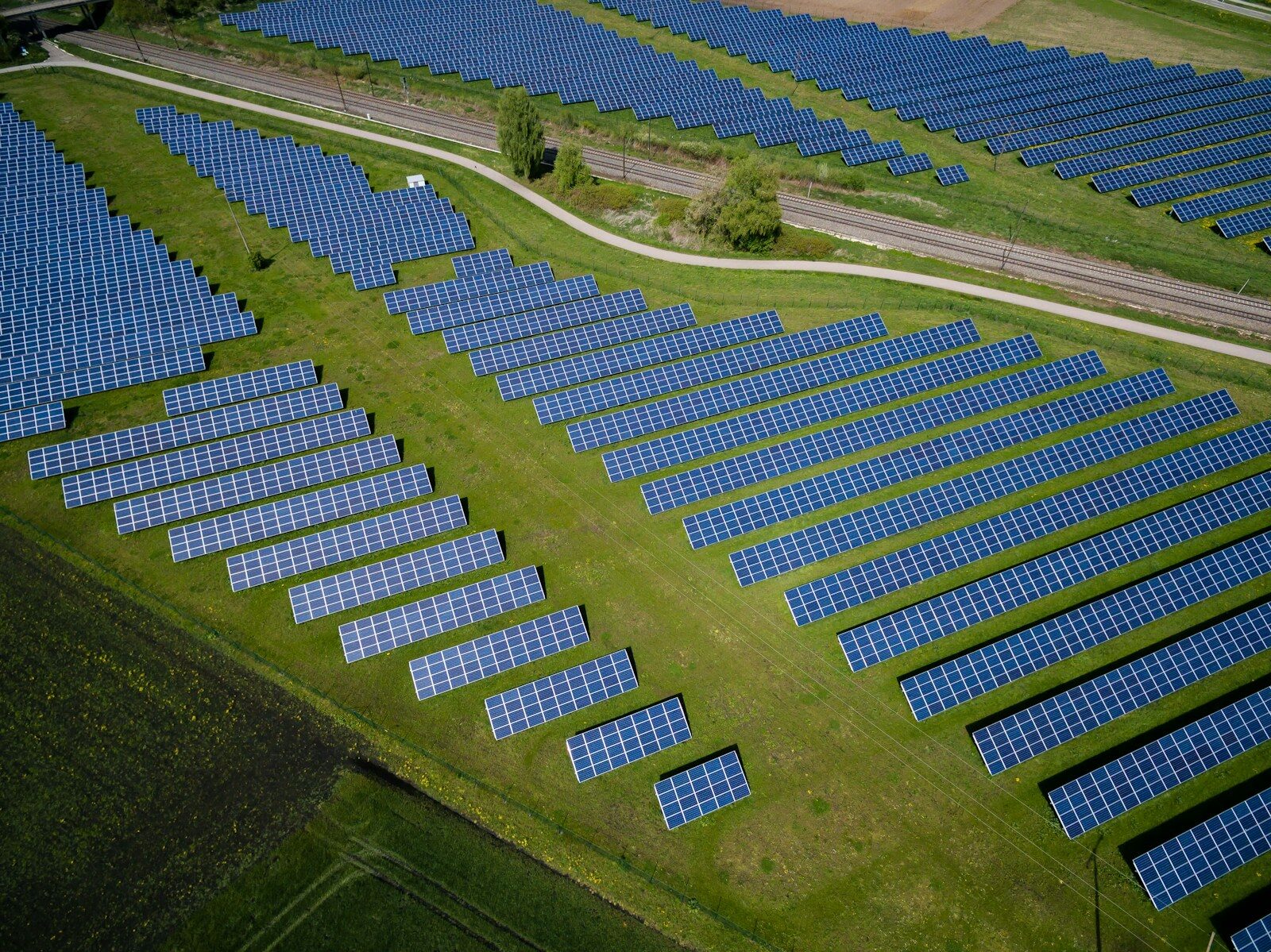
Each country has cut greenhouse gas emissions for years, mostly by reducing coal use. (The US also cut coal use for years, but it is now rising again because of the power demands of AI data centers.) These countries have also shifted toward renewables, and some have built nuclear plants. Estonia in particular has sharply reduced its use of shale oil, a major source of greenhouse gases.
Protected nature
The UK, Luxembourg, and Estonia rank in the top 10 for ecosystems, thanks to strong regulations protecting animal and bird habitats and sanctuaries. Each country also has a high GDP, particularly per capita. Wealthier countries can afford environmental regulation and cleanup, while nations at the bottom of the list, with low GDP per capita, cannot. In addition, these countries have moved industrial production to less developed nations.
The 10 most sustainable countries in the world
| Country | Ranking | EPI score | 10-year change |
|---|---|---|---|
| Estonia | 1 | 74.79 | +23.22 |
| Luxembourg | 2 | 74.24 | +10.20 |
| United Kingdom | 3 | 71.51 | +5.12 |
| Finland | 4 | 71.04 | +5.05 |
| Netherlands | 5 | 70.49 | +11.17 |
| Germany | 6 | 69.93 | +8.47 |
| France | 7 | 69.82 | +6.58 |
| Norway | 8 | 69.24 | +6.82 |
| Sweden | 9 | 69.20 | +3.49 |
| Austria | 10 | 66.80 | +3.87 |
Source: Yale EPI 2026
More from ClimateCrisis 247
- States Where Tax Payers Will Pay The Most for Rising Sea Levels
- The 10 Least Sustainable Countries In The World
- The Worst Back-to-Back Hurricanes in US History
- The Deadliest Hurricanes To Hit the US in the last half century