The Biggest Climate Disasters Of The Last Year
The journal BioScience has just published a report titled “The 2026 State of the Climate Report: Challenges and Opportunities.” Its primary purpose is to examine Earth’s climate as it enters “uncharted” territory this year. It also looks at the factors that drove climate change over the past year, their effects during that time, and possible solutions and policy recommendations. The authors open the report with this statement: “We are witnessing the rapid destabilization of the Earth’s climate system. This is no longer a warning for the future; it is a diagnosis of the present. Earth’s life-support systems are being pushed beyond stable limits, with changes unfolding faster than our ability to respond.”
The report is divided into sections, each examining a critical issue in greater depth. They cover changes in greenhouse gas emissions and rising temperatures; the accelerating pace of ice melt at the poles and in Greenland; rising seas, many of which have also reached record heat levels; wildfires; the state of the world’s forests; and the climate effects of war zones, particularly in Ukraine and the Middle East.
In every area it examines, the report finds that conditions are worsening. Its “final word” section, however, offers hope in the form of green energy, advances in battery technology, and the restoration of large ecosystems that are in decline. Still, at the heart of every solution is a change in public policy, without which the other advances are not possible. The authors conclude: “The decisions made during the coming years will strongly influence whether future generations inherit a planet with an unstable climate system or a more resilient and sustainable world.”
One section of the research is titled “Recent extreme weather events since September 2025.” In it, the authors select what they consider the best examples of how climate change is producing increasingly dangerous and violent weather.
Climatecrisis247 has summarized this list without adding events or reordering the original analysis. Our summary of the worst climate disasters of the past year, which makes only minor changes to the original, appears below. The data behind the analysis is all publicly available.
Extreme weather since September 2025
| Type | Event | When | What happened |
|---|---|---|---|
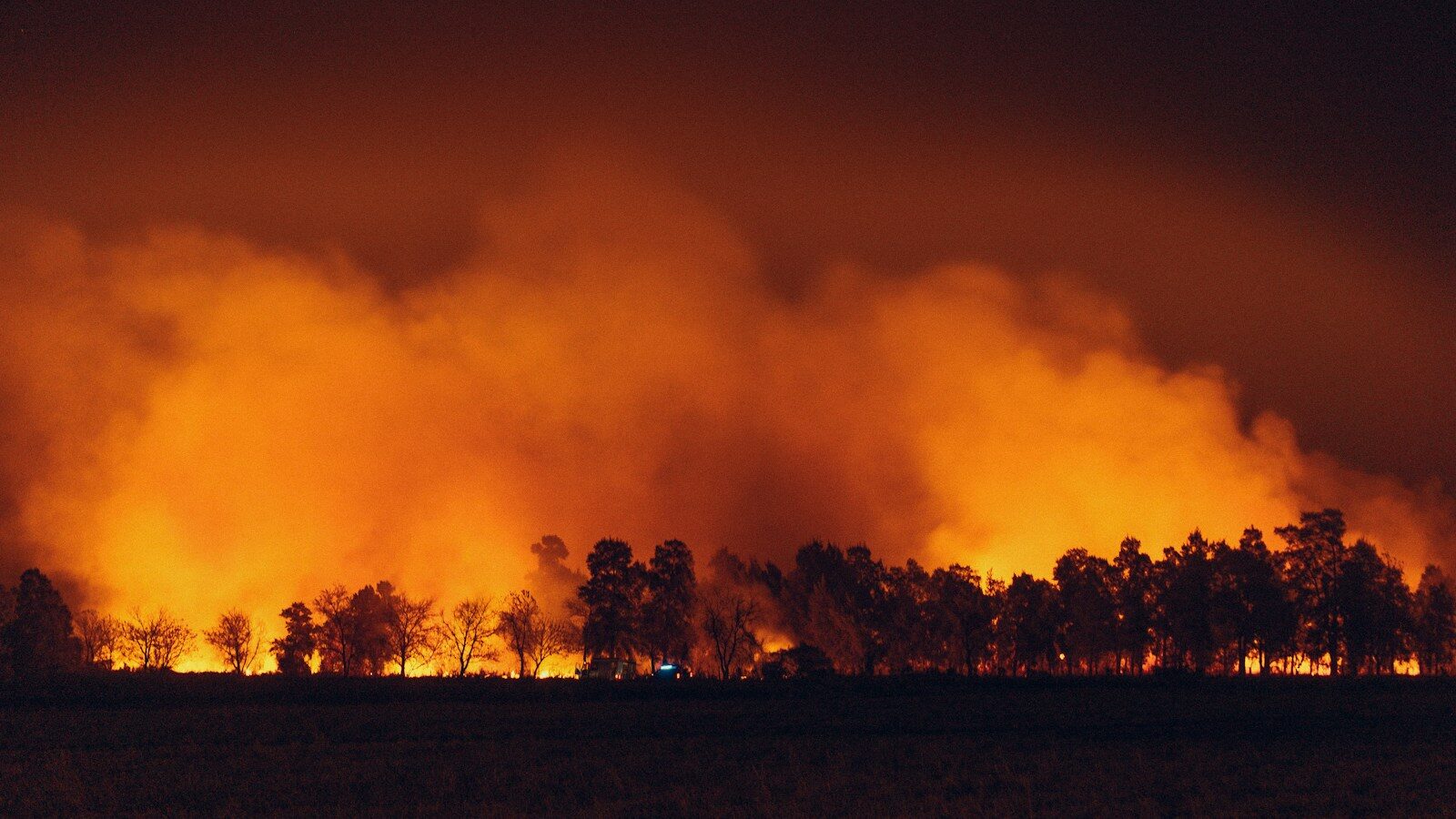
| Wildfire | New South Wales wildfires | Oct. 2025 | Fires on the outskirts of Sydney destroyed property and drove residents from their homes. |
| Wildfire | Florida wildfires | Apr. 2026 | A wave of fires across southwest Florida prompted officials to order evacuations. |
| Wind | Cyclone Harry (Mediterranean) | Jan. 2026 | The storm wrecked homes and businesses and may have contributed to a boat sinking that killed as many as 380 people. |
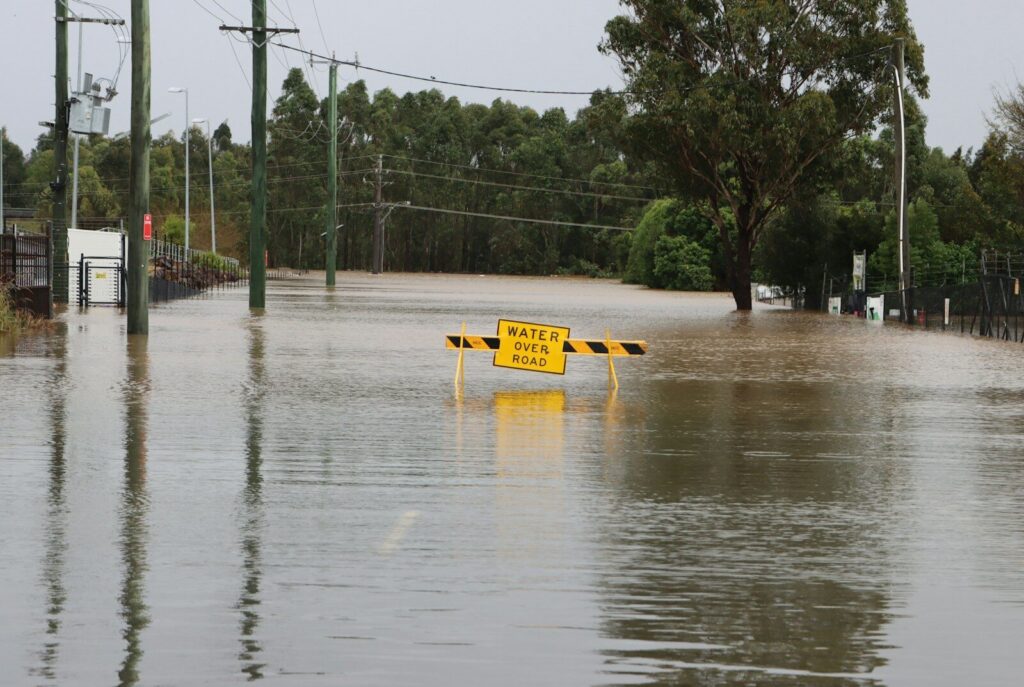
| Rain and flooding | Bali floods | Sept. 2025 | The worst flooding in over a decade on the Indonesian island left at least 17 people dead. |
| Rain and flooding | Typhoon Ragasa | Sept. 2025 | The powerful storm set off floods and landslides in Southeast Asia and southern China, killing at least 40 people and causing more than $2.86 billion in damage. |
| Rain and flooding | Storm Amy | Oct. 2025 | The storm swept across western and northern Europe, killing four people and cutting power to more than 832,000 customers. |
| Rain and flooding | Hurricane Melissa | Oct. 2025 | The Category 5 storm matched the Atlantic record for highest wind speed. It killed 95 people, most of them in Jamaica and Haiti, and caused more than $12.2 billion in losses. |
| Rain and flooding | Albania and Greece floods | Nov. 2025 | A stalled weather system brought several days of rain to western Greece and southern Albania, causing flash floods and landslides that cut roads and rail lines. |
| Rain and flooding | Vietnam floods | Nov. 2025 | Unprecedented rain in south-central Vietnam killed 90 people, swamped 235,000 homes, and caused $341 million in damage. |
| Rain and flooding | Sumatra floods | Nov. 2025 | A tropical storm combined with monsoon rains to kill 708 people in Indonesia and devastate roads, farms, and businesses. |
| Rain and flooding | Colombia floods | Feb. 2026 | Torrential rain in the country’s north killed 18 people and affected more than 58,000 families. |
| Rain and flooding | Storm Nils | Feb. 2026 | The storm killed one person in western Europe, disrupted some transportation, and cut power to 850,000 homes. |
| Rain and flooding | Brazil floods | Feb. 2026 | Downpours in the country’s southeast caused floods and mudslides that killed 73 people and forced more than 5,500 from their homes. |
| Heat | India heatwave | Apr. 2026 | Extreme heat gripped much of the country, endangering the health of millions. |
| Heat | Western Europe heatwave | May 2026 | The heat killed at least seven people, overwhelmed hospitals, and damaged power grids. |
| Heat | Antarctic heatwave | June 2026 | Weather stations in Antarctica recorded temperatures significantly above normal for the season in the Southern Hemisphere. |
| Heat | European heatwave | June 2026 | Scorching temperatures were linked to about 14,000 more deaths than usual. |
| Heat | North American heatwave | June–July 2026 | Heat across the eastern US and southern Canada set off violent storms and blackouts affecting roughly 50 million people. |
| Cold | North American winter storm | Jan. 2026 | A major storm in the US and Canada killed several people, grounded flights, and caused widespread outages. |
More from ClimateCrisis 247
- In America’s Largest Cities, October Can Bring Oppressive Heat and Frigid Cold
- America’s Worst Cities For EVs
- Banned Famous Books About The Environment
- Record 100-Degree Heat Scorches October’s First Days