Top 10 Best-Selling Electric Vehicles in the US Since 2000
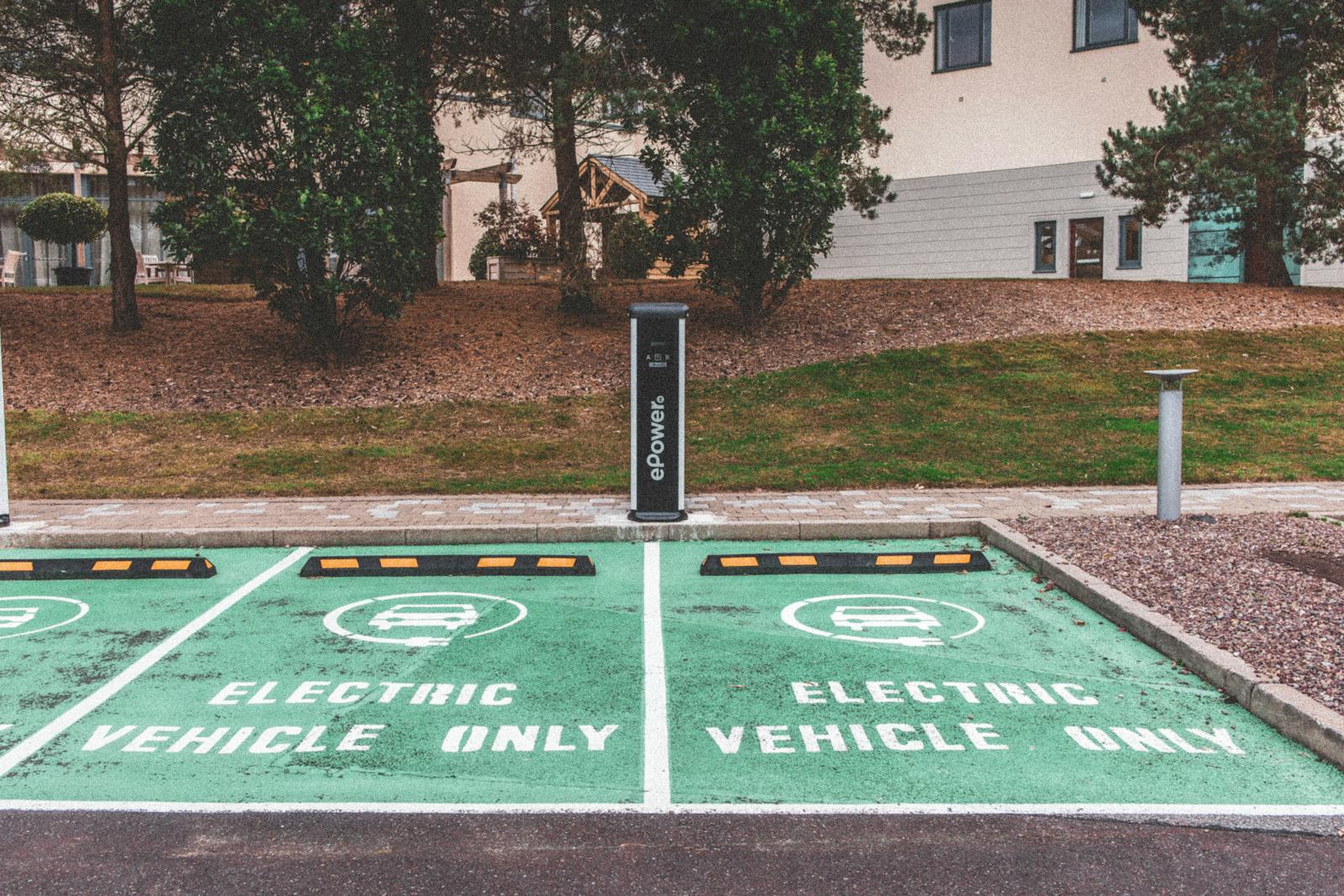
Electric cars existed as early as the start of the 20th century, but batteries and range were problematic. The gas-powered engine became dominant because it could travel farther and fuel was more plentiful—issues EVs still face today.
Elon Musk is widely considered the father of the modern electric car and the person who made EVs broadly available. Tesla began putting cars on the road in 2008. The Model S launched in 2012 and currently sits at the high end of Tesla’s model line. The Model X SUV was released in 2015, followed by the less expensive Model 3 in 2017. The final model in Tesla’s primary lineup, the Model Y, debuted in 2020.
Musk launched the Cybertruck two years ago to compete with American pickups, which are by far the best-selling vehicles in America. As it turned out, consumers weren’t interested in EV versions.
The EV business looked promising enough that industry experts predicted 50% of all new cars sold in 2030 would be electric—a goal the Biden Administration actively supported. Almost every major car company in the world tried to capitalize on what appeared to be the “next big thing” in the automotive industry. To boost growth, the federal government added a $7,500 tax credit per vehicle. By 2025, over 5% of new cars sold in America were EVs, but it became clear the 2030 goal was unattainable.
As the EV revolution slowed to a halt, major car companies began cutting production. Eventually, it became obvious that sales in the sector had plateaued. A number of large manufacturers were fighting for an ever-shrinking pie. The situation became so difficult that Ford took a $19.5 billion write-off on its EV projects. Tesla’s sales started to drop year over year, though it retained over 50% of the overall market.
It will be debated for years whether Tesla’s troubles stemmed from broad market trends or whether Elon Musk’s stances on various issues drove some customers away. Regardless, Tesla remains one of the most valuable companies in the world with a market cap exceeding $1 trillion—more than all other car companies combined.
Among the certain factors is range. Even today, most EVs cannot travel more than 250 miles on a charge, while a tank of gas will take most fossil fuel engines closer to 400 miles. There are still too few charging stations. People who charge their cars at home can conveniently avoid public charging stations, but they still face that problem when driving any significant distance.
Several smaller challenges persist. In very cold weather, an EV battery loses about 30% of its capacity. EVs wear through tires about 50% faster than gas-powered cars. EVs also carry a price premium, averaging about $10,000 more than gas-powered vehicles.
One mystery is why EVs remain such a modest part of the American market compared to other countries. EVs have been wildly successful in China. Over 95% of new cars sold in Norway are electric.
EVs have been in the market long enough that the used car inventory has risen sharply. Unsurprisingly, Tesla dominates the used EV market based on its huge lead in new car sales from a few years ago.
The Trump Administration eliminated the $7,500 tax credit and has created a friendly environment for the oil industry. Low gas prices make EVs less attractive.
What will restart EV sales in the U.S.? There is no single clear answer.
Here are the top 10 best-selling electric vehicles in the United States by cumulative sales since 2000. This ranking is based on cumulative sales data from industry experts including Cox Automotive, Autoblog, CarEdge, S&P Global, and AutoVista24.
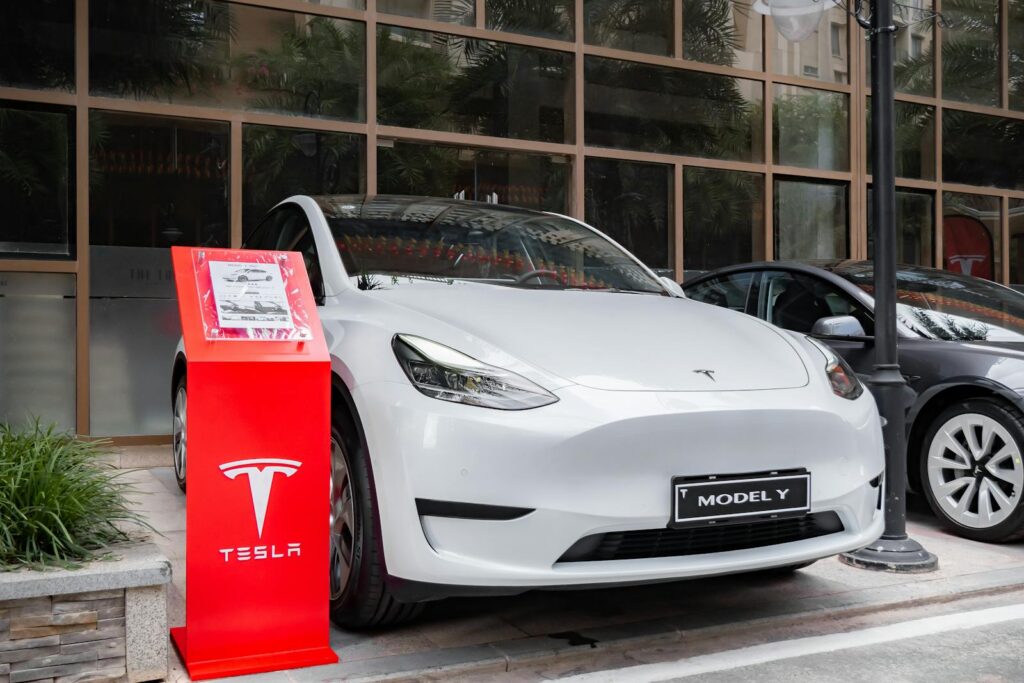
1.Tesla Model Y: The clear leader and frequently the best-selling vehicle overall in recent years. Cumulative U.S. sales likely exceed 1.5–2 million.
2. Tesla Model 3: The mass-market sedan that launched in 2017. Cumulative U.S. sales estimated at over 1 million.
3. Nissan Leaf: The first widely available mass-market BEV since 2010. Cumulative U.S. sales around 165,000–180,000.
4. Chevrolet Bolt EV / EUV: Affordable long-range option (2017–2023). Cumulative sales around 150,000–200,000.
5. Tesla Model S: The luxury flagship since 2012. Cumulative sales approximately 150,000–200,000 in the U.S.
6. Tesla Model X: The premium SUV since 2015. Significant but lower volume than the sedans and Model Y.
7. Ford Mustang Mach-E: Strong performer since 2021, with cumulative sales exceeding 100,000 by 2025.
8. Hyundai Ioniq 5: Rapidly growing since 2022, becoming a consistent top non-Tesla seller.
9. Chevrolet Equinox EV: Newer compact SUV (launched around 2024) seeing very strong recent sales growth.
10. Volkswagen ID.4 or Ford F-150 Lightning: These models round out the list with solid cumulative growth in the compact SUV and electric truck categories.