Deteriorating Air Quality Could Make These Countries Unlivable in future
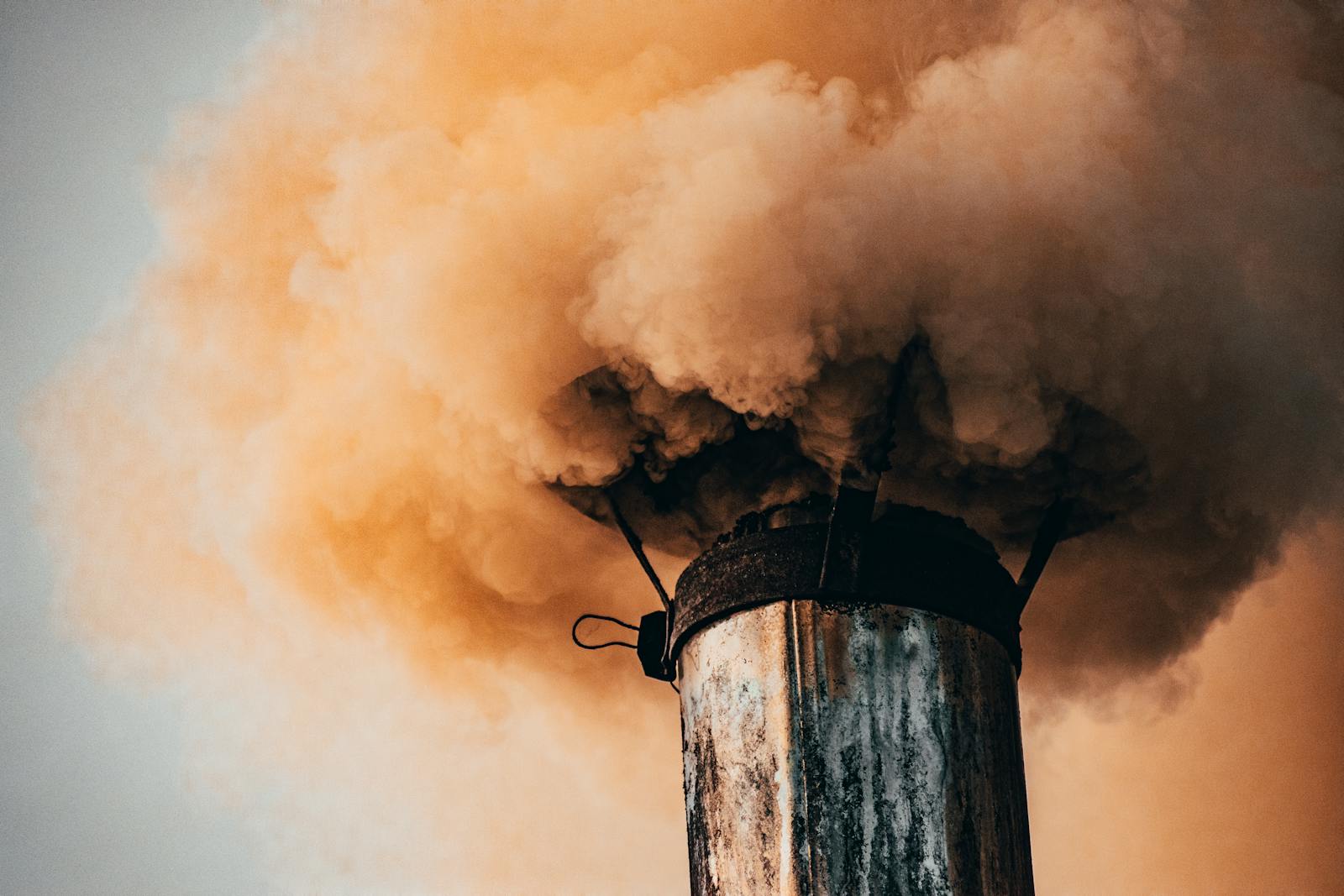
Fossil fuel consumption is a primary driver of climate change. When burned to produce energy, certain natural resources – including coal, natural gas, and oil – emit greenhouse gasses, which have accumulated in the Earth’s atmosphere for decades and led to an unprecedented spike in global temperatures. But the harms associated with fossil fuels are by no means limited to the environment.
In addition to heat-trapping gasses, the air pollution generated by fossil fuels also contain microscopic particles which, in high enough quantities, pose a direct and immediate threat to public health. According to the National Institutes of Health, air pollution contributes to an estimated 6.5 million deaths globally each year. One of the most dangerous atmospheric pollutants is a category of fine particulate matter measuring 2.5 micrometers or less – about one-30th the diameter of a human hair – commonly known as PM2.5. Most PM2.5 is released into the atmosphere from industrial activity, power plants, and automobiles.
Even short-term exposure to high concentrations of PM2.5 has been linked to multiple respiratory and heart conditions, which can often require urgent medical attention, and even cause premature death. Certain demographic groups, including children, older adults, and those with certain heart or lung diseases are especially vulnerable.
Encouragingly, concentrations of PM2.5 have been falling in recent years. Since hitting a multi-decade high of 43 micrograms per cubic meter in 2013, the average global concentration of PM2.5 has declined every year, reaching a historic low of 31 micrograms per cubic meter in 2020, the most recent year of available data from the World Bank. Still, the global trend is not indicative of the reality certain countries are facing. In parts of the world, PM2.5 pollution has been steadily rising in the last 15 years, and if concentrations of air pollution continue to climb at the present rate, diminished air quality in these places will render them virtually uninhabitable in the coming decades.
Using data from the World Bank, Climate Crisis 247 identified the countries that are on pace to have hazardous air quality within the next 100 years. We reviewed the average annual concentration of PM2.5 in countries around the world, and calculated the relative average annual change in PM2.5 levels between 2006 and 2020, the most recent 15 year period of available data. Using average annual rates of change to project future PM2.5 concentrations, we identified the year when each country will have at least 225.5 micrograms of PM2.5 per cubic meter of air, the level at which air quality goes from “very unhealthy” to “hazardous.” Measures of air quality, based on levels of PM2.5, were determined using the guidelines set forth in the U.S. Air Quality Index.
At current rates, all 10 countries on this list will have hazardous air quality in less than 100 years. These countries are primarily concentrated in Africa – and since 1990, each has reported rapid population growth and surging carbon emissions. In all but one country on this list, the bulk of electricity production comes from oil, gas, or coal – but other significant sources of PM2.5 pollution in these places also include residential fuel use, and even wind-blown dust and sand.
10. Kenya
- Estimated year when air quality will be hazardous: 2122 (96 years from now)
- Average concentration of PM2.5 in 2020: 24.4 micrograms per cubic meter (moderate risk for some people)
- 15-year average increase in PM2.5 concentration: +2.2% per year
- Share of electricity generated from oil, gas, or coal: 10.3%
- Annual carbon emissions: 21.6 million tons (+234.6% since 1990)
- Total population: 56.4 million (+146.5% since 1990)
9. The Gambia
- Estimated year when air quality will be hazardous: 2111 (85 years from now)
- Average concentration of PM2.5 in 2020: 58.4 micrograms per cubic meter (unhealthy for general public)
- 15-year average increase in PM2.5 concentration: +1.5% per year
- Share of electricity generated from oil, gas, or coal: 98.4%
- Annual carbon emissions: 492,300 tons (+301.5% since 1990)
- Total population: 2.8 million (+161.7% since 1990)
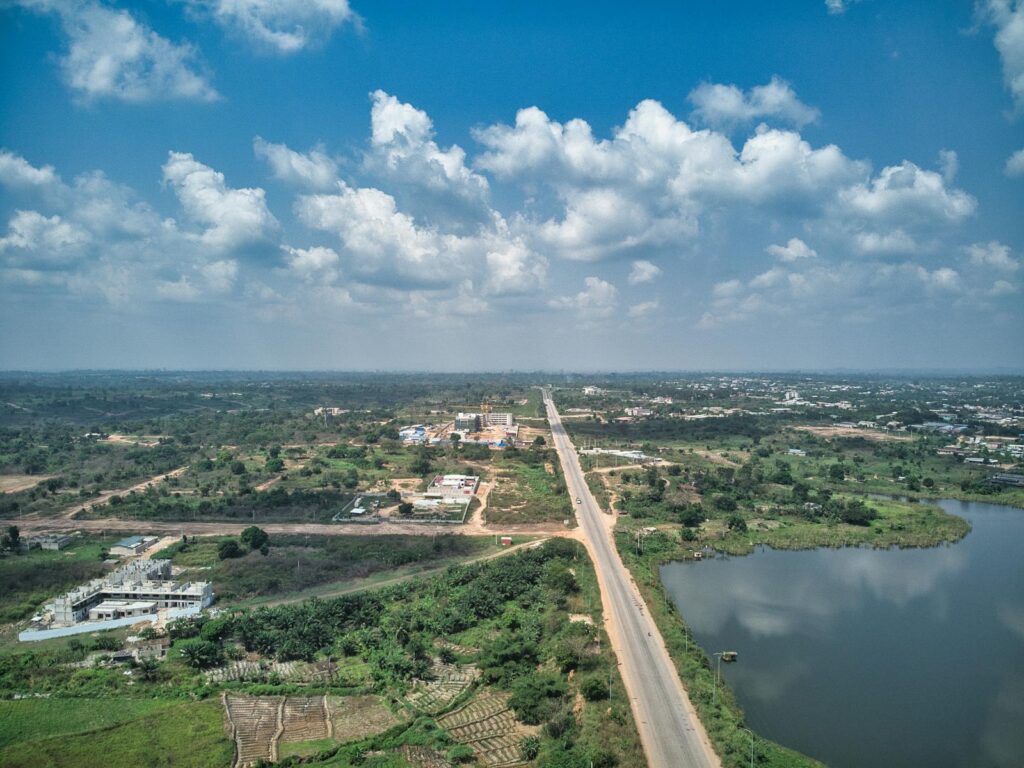
8. Cote d’Ivoire
- Estimated year when air quality will be hazardous: 2102 (76 years from now)
- Average concentration of PM2.5 in 2020: 49.5 micrograms per cubic meter (unhealthy for sensitive groups)
- 15-year average increase in PM2.5 concentration: +1.9% per year
- Share of electricity generated from oil, gas, or coal: 75.9%
- Annual carbon emissions: 18.8 million tons (+532.9% since 1990)
- Total population: 31.9 million (+162.0% since 1990)
7. Nigeria
- Estimated year when air quality will be hazardous: 2099 (73 years from now)
- Average concentration of PM2.5 in 2020: 56.5 micrograms per cubic meter (unhealthy for general public)
- 15-year average increase in PM2.5 concentration: +1.8% per year
- Share of electricity generated from oil, gas, or coal: 75.5%
- Annual carbon emissions: 131.9 million tons (+75.6% since 1990)
- Total population: 232.7 million (+139.6% since 1990)
6. Ghana
- Estimated year when air quality will be hazardous: 2095 (69 years from now)
- Average concentration of PM2.5 in 2020: 54.2 micrograms per cubic meter (unhealthy for sensitive groups)
- 15-year average increase in PM2.5 concentration: +1.9% per year
- Share of electricity generated from oil, gas, or coal: 63.9%
- Annual carbon emissions: 24.2 million tons (+672.0% since 1990)
- Total population: 34.4 million (+123.6% since 1990)
5. Mongolia
- Estimated year when air quality will be hazardous: 2094 (68 years from now)
- Average concentration of PM2.5 in 2020: 29.7 micrograms per cubic meter (moderate risk for some people)
- 15-year average increase in PM2.5 concentration: +2.8% per year
- Share of electricity generated from oil, gas, or coal: 90.2%
- Annual carbon emissions: 27.7 million tons (+110.4% since 1990)
- Total population: 3.5 million (+68.0% since 1990)
4. Togo
- Estimated year when air quality will be hazardous: 2093 (67 years from now)
- Average concentration of PM2.5 in 2020: 51.7 micrograms per cubic meter (unhealthy for sensitive groups)
- 15-year average increase in PM2.5 concentration: +2.0% per year
- Share of electricity generated from oil, gas, or coal: 79.1%
- Annual carbon emissions: 2.6 million tons (+248.0% since 1990)
- Total population: 9.5 million (+138.0% since 1990)
3. Senegal
- Estimated year when air quality will be hazardous: 2090 (64 years from now)
- Average concentration of PM2.5 in 2020: 63.7 micrograms per cubic meter (unhealthy for general public)
- 15-year average increase in PM2.5 concentration: +1.8% per year
- Share of electricity generated from oil, gas, or coal: 86.0%
- Annual carbon emissions: 14.2 million tons (+500.5% since 1990)
- Total population: 18.5 million (+139.6% since 1990)
2. Benin
- Estimated year when air quality will be hazardous: 2089 (63 years from now)
- Average concentration of PM2.5 in 2020: 51.0 micrograms per cubic meter (unhealthy for sensitive groups)
- 15-year average increase in PM2.5 concentration: +2.2% per year
- Share of electricity generated from oil, gas, or coal: 96.6%
- Annual carbon emissions: 7.0 million tons (+1,668.2% since 1990)
- Total population: 14.5 million (+173.8% since 1990)
1. Cabo Verde
- Estimated year when air quality will be hazardous: 2050 (24 years from now)
- Average concentration of PM2.5 in 2020: 42.3 micrograms per cubic meter (unhealthy for sensitive groups)
- 15-year average increase in PM2.5 concentration: +5.9% per year
- Share of electricity generated from oil, gas, or coal: 81.7%
- Annual carbon emissions: 676,200 tons (+1,156.9% since 1990)
- Total population: 524,877 (+39.8% since 1990)
More from ClimateCrisis 247
- The Fish, Birds, and Mussels America Just Lost for Good
- Tornado Season Looks Different Now: Is Your State on the List?
- The Least Reliable Electric Vehicles, According to Consumer Reports
- At the Wall of Wind, engineers blow homes apart to learn how to save them