The Most Expensive States to Insure an EV
Electric vehicle sales dropped sharply in the fourth quarter of last year and the first quarter of 2026, with the expiration of the $7,500 federal tax credit cited as the primary cause. New EV registrations plunged 41% in January compared to the same month in 2024, according to S&P Global Mobility.
But the tax credit alone doesn’t tell the whole story. A second factor may pose an even longer-lasting threat to EV adoption: the soaring cost of insurance. EV insurance premiums have risen so fast and so high that they threaten to make ownership unaffordable for many drivers.
EVs cost an average of 42% more to insure than gas-powered cars, according to Insurify’s 2026 EV Report, which analyzed more than 235 million insurance rates. Nationally, full coverage on an EV runs $3,159 per year — nearly $1,000 more than the $2,218 average for a comparable gas-powered vehicle.
The insurance gap is driven primarily by repair costs. Battery packs are expensive to replace. The integrated structural designs common in EVs mean that even minor collisions can total a vehicle. And a shortage of certified EV technicians creates a high-demand, low-supply dynamic that pushes both labor costs and repair wait times well above those for gas-powered cars.
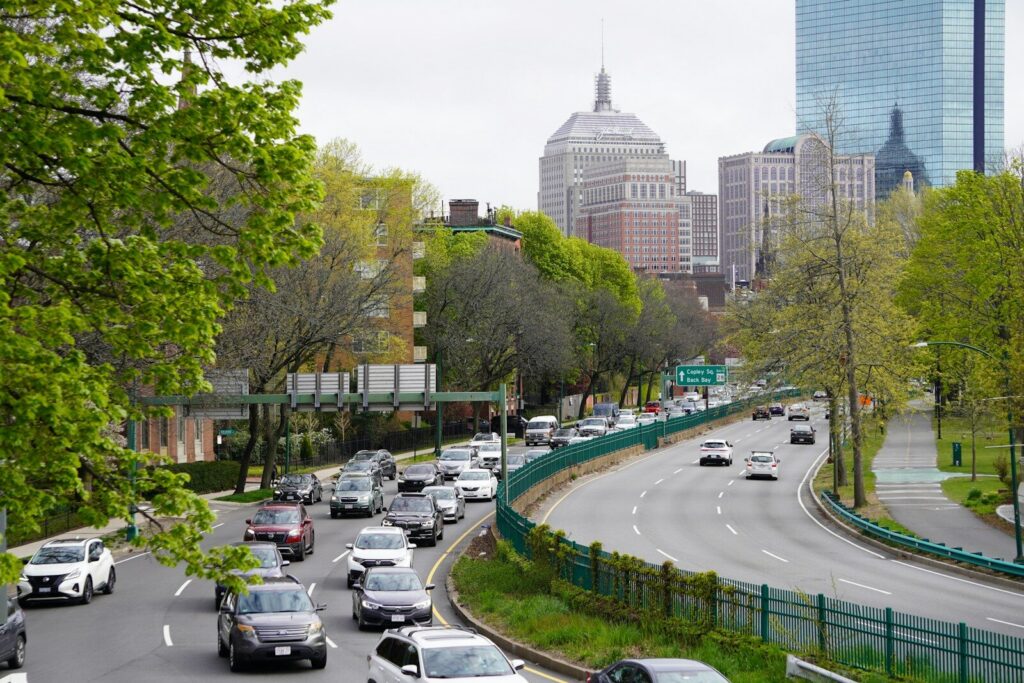
Geography compounds the problem. Washington, D.C., is the most expensive market in the country, where EV drivers pay an average of $6,394 annually in premiums. Massachusetts has the largest state-level disparity: insuring a new EV there costs 54% more than covering a similarly equipped gas-powered car.
Tesla, the U.S. market share leader, ranks among the most expensive brands to insure — a factor that may be weighing on sales for America’s top-selling EV brand.
There are, however, early signs of improvement. Among model year 2024 vehicles and newer, the insurance premium gap narrows to 18%, or roughly $501 per year in 2026. Newer EVs increasingly come equipped with advanced driver-assist and safety systems, which reduce accident rates, generate fewer insurance claims, and are beginning to be reflected in lower premiums.
The cost gap has not closed, but consumers are finding workarounds. Sales of pre-owned electric vehicles surged 54% in March compared to the prior month, according to Cox Automotive, as buyers seek to avoid steep depreciation on new models while still reducing fuel costs. Rising gas prices have likely reinforced that calculus. The used-EV boom may signal a longer-term shift in how consumers approach EV ownership.
Until repair costs for EVs fall meaningfully relative to gas-powered vehicles, insurers recalibrate their risk models, and new EV sticker prices move closer to those of conventional cars, the affordability challenge is unlikely to go away.
| Rank | State | Avg. Annual EV Premium | Avg. Annual Gas-Powered Premium | EV vs. Gas Cost Difference |
|---|---|---|---|---|
| 1 | Massachusetts | $3,560 | $2,318 | 54% |
| 2 | New York | $4,531 | $3,135 | 45% |
| 3 | Rhode Island | $6,043 | $4,344 | 39% |
| 4 | Oregon | $3,346 | $2,454 | 36% |
| 5 | New Jersey | $5,632 | $4,145 | 36% |
| 6 | Idaho | $2,063 | $1,573 | 31% |
| 7 | Washington | $3,260 | $2,515 | 30% |
| 8 | Delaware | $4,046 | $3,123 | 30% |
| 9 | North Carolina | $2,374 | $1,848 | 28% |
| 10 | Kansas | $3,073 | $2,411 | 27% |
More from ClimateCrisis 247
- Cities Where Americans Have the Highest Water Bills
- New Documents Add to Evidence in Climate Deception Case Against ExxonMobil
- The 10 Most Sustainable Countries In The World
- States Where Tax Payers Will Pay The Most for Rising Sea Levels