How Much Is nature Worth?
A new study by the UN has caused Bloomberg to ask that question. Unfortunately, whatever the price, many industries and nations ignore it. Douglas A. McIntyre, Editor-In-Chief of Climatecrisis247, explains.
Although it is by “accident”, cows spread plastic to humans. After it enters their systems, it enters ours in milk and meat. Douglas A. McIntyre, Editor-In-Chief at Climatecrisis247, explains
A new study shows that hundreds of species of fish eat plastic. It is by “accident”, but that does not keep it from moving to humans. Douglas A. McIntyre, Editor-In-Chief of Climatecrisis247 explains.
Problems with America’s grid are not just in one place. A new study shows that several states have electricity infrastructure problems. Douglas A. McIntyre, Editor-In-Chief of Climatecrisis247, explains.
Where is it getting the hottest, the fastest? In the world’s coldest places. That doesn’t seem to make sense. Douglas A. McIntyre, Editor-In-Chief of Climatecrisis247, explains.
Climate change is real. Scientists argue about exactly how it works. Douglas A. McIntyre, Editor-In-Chief at Climatecrisis247 explains.
A new legal theory holds that fossil fuel companies have acted in concert to maintain their businesses in the face of green energy. Douglas A. McIntyre, Editor-In-Chief of Climatecrisis247, explains.
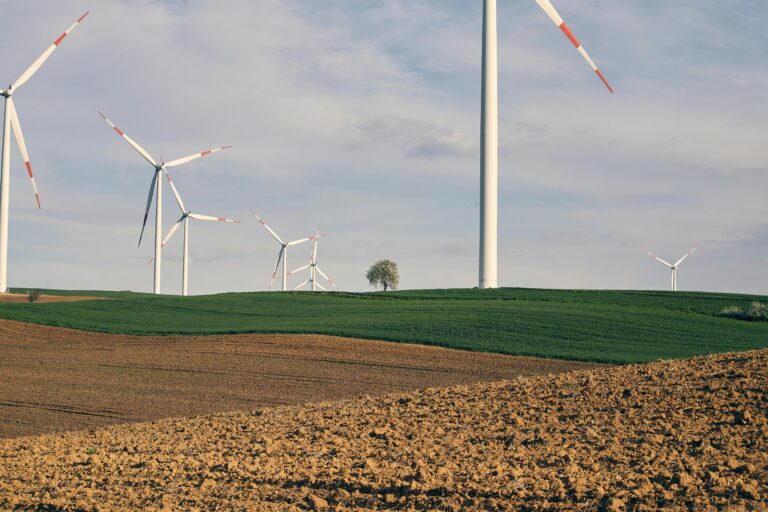
Factories are eating electricity like AI odes. That mean a need for more energy-some of its green. Douglas A. McIntyre, Editor-In-Chief at Cliamtecrisis247 explains
A new study says forecasts about rising temperatures are wrong. The problem is worse than feared. Douglas A. McIntyre, Editor-In-Chief of Climatecrisis247, explains.
Is fishing for a piece of plastic a way to clean the oceans? Maybe. It’s being done on a small scale. Douglas A. McIntyre, Editor-In-Chief of Climatecrisis247 explains
As high insurance rates and dangerous weather make a number of people likely to leave places like Florida, many markets in the north have rising home prices because of demand. Douglas A. McIntyre, Editor-In-Chief of Climatecrisis247 explains.
Home prices in Florida are already falling. Data from several realtors show that it will continue as storms worsen and insurance rates rise. Douglas A. McIntyre, Editor-In-Chief of Climatecrisis247 explains
New York City faces a wind chill of -10 degrees, which damages the “ground level” economy, including stores, shops, and restaurants. Douglas A. McIntyre, Editor-in-Chief of Climatecrisis247, explains
New York and California are preparing to sue fossil fuel companies for the damage they have caused. Douglas A. McIntyre, Editor-In-Chief of Climatecrisis247, explains.
With all the weather map data in, it shows that during the major storm two weeks ago, there was record snowfall from New Mexico to Maine. In New Mexico, the count hit 31 inches, Douglas A. McIntyre, Editor-In-Chief of Climatecrisis247 explains
Drought and the polar vortex have produced an unusual set of weather conditions, according to The New York Times. There has been more snow in Florida than in Utah. In Utah, it is a huge problem. Douglas A. McIntyre, Editor-In-Chief of Climatecrisis247, explains
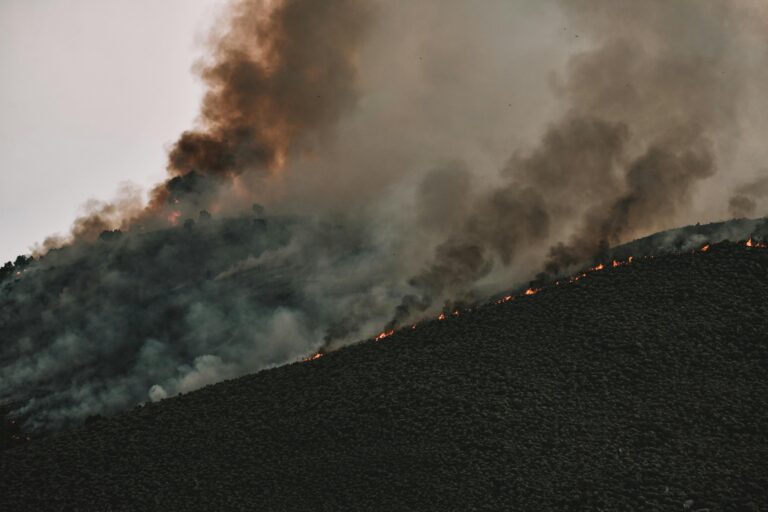
In Colorado, power has been cut to 50,000 homes on a rolling basis as wildfire risks hit several areas. Douglas A. McIntyre, Editor-In-Chief of Climatecrisis247, explains
The Super Bowl has a huge carbon footprint. Most comes from TV ads. Douglas A. McIntyre, Editor-In-Chief at Climatecrisis247
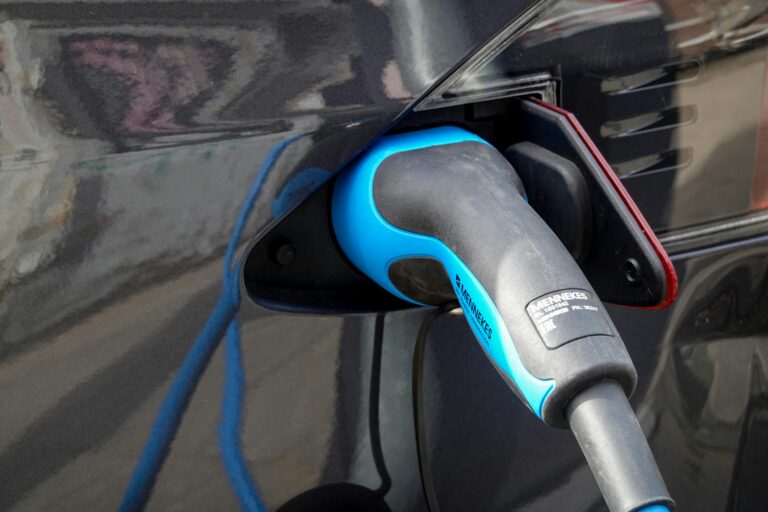
About 25% of all EVs can be used to power homes using their batteries. Maybe it’s a way to restart EV sales, which have been in trouble. Douglas A. McIntyre, Editor-In-Chief at Climatecrisis247 explains
The IEA reports that electricity demand in the US will grow by 2% per year until 2030. Half of that will be for AI data centers. Douglas A. McIntyre, Editor-In-Chief of Climatecrisis247 explains
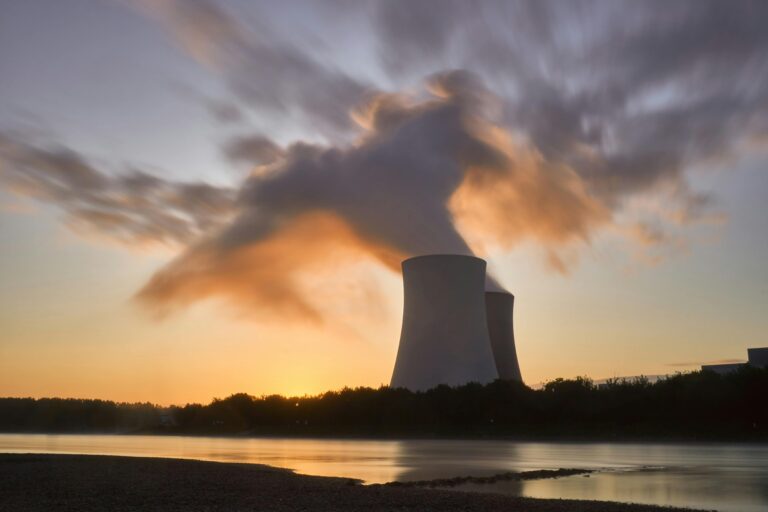
The Trump Administration is trying to find a place in the US to store 100,000 tons of radioactive waste under the “Nuclear Lifecycle Innovation Campuses in the US” plan. So far, no state has stepped forward to do this. Douglas A. McIntyre, Editor-In-Chief of Climatecrisis247 explains,