Biggest One Day Temperature Changes In History
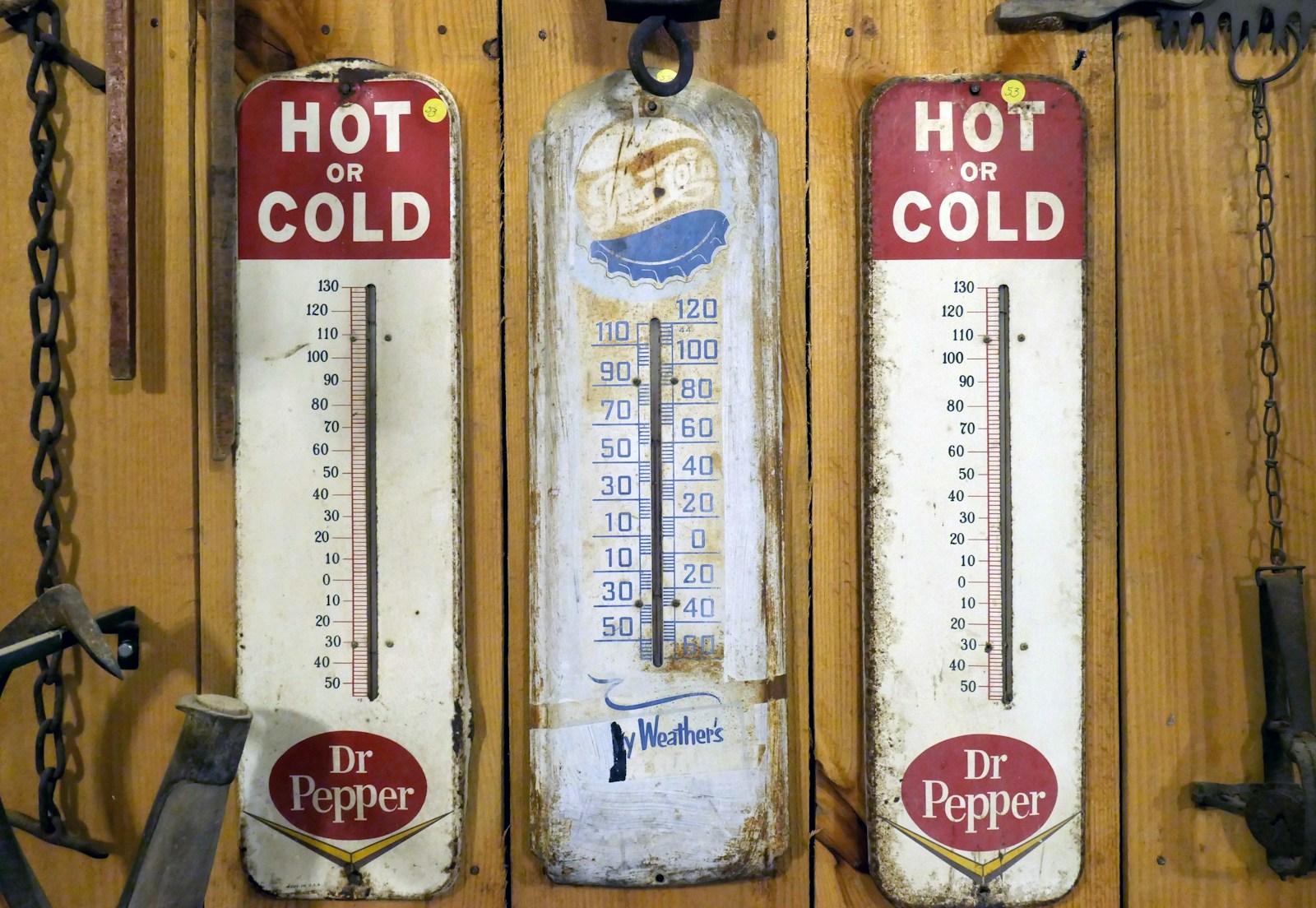
While temperature shifts of 20 to 30 degrees Fahrenheit in a single day are common, some changes have been truly extraordinary. Recently in New York City, temperatures dropped from 60°F at midday to 30°F by midnight as cold air rushed in from the north.
However, there have been at least two documented cases where temperatures changed by as much as 100°F within 24 hours, and numerous instances of changes exceeding 70°F.
Research published in the journal Nature Climate Change warns that global warming is increasing both the frequency and intensity of extreme weather events. The authors project that by 2100, 80% of the world’s population will live in areas experiencing frequent large temperature fluctuations—some severe enough to “increase mortality.”
The largest recorded 24-hour temperature change is an astonishing 103°F rise in Loma, Montana, on January 14–15, 1972. The temperature soared from a bone-chilling -54°F to 49°F, triggered by powerful Chinook winds—warm, dry downslope winds from the Rocky Mountains that rapidly displaced an Arctic air mass.
This extreme swing is officially recognized by Guinness World Records, the National Oceanic and Atmospheric Administration (NOAA), and weather historians as the greatest 24-hour temperature variation ever documented at a single location.
Montana dominates the list of extreme temperature changes due to its geographic position east of the Rocky Mountains, where Chinook winds can cause dramatic warm-ups and Arctic outbreaks trigger massive drops. According to NOAA State Climate Summaries, “Montana, the fourth largest U.S. state in land area, has large climatic variations due to its geographic diversity and altitudinal range.”
Weather Underground explains that “Chinook winds result from air rising over mountain ranges. As the air reaches the ridge tops, it begins to sink and warm as it descends the mountain slopes. The resulting winds are often gusty and can create dramatic temperature changes by pushing away cold air at lower elevations.”
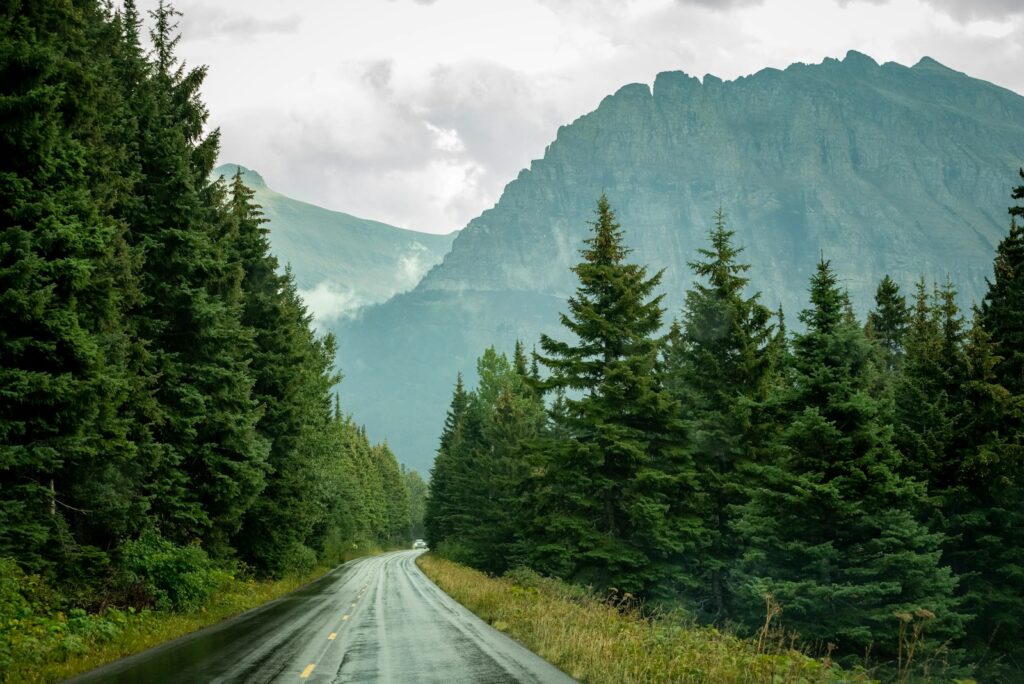
These records are primarily from the United States, as no larger verified changes have been documented elsewhere globally. They’re driven by phenomena like Chinook winds and powerful cold fronts in the Great Plains and Rocky Mountain regions.
1. 103°F rise — Loma, Montana, January 14–15, 1972: From -54°F to 49°F. World record for the greatest 24-hour temperature rise, caused by intense Chinook winds.
2. 100°F drop — Browning, Montana, January 23–24, 1916: From 44°F to -56°F. Record for the largest 24-hour temperature drop.
3. 84°F drop (in 12 hours) — Fairfield, Montana, December 24, 1924: From 63°F to -21°F. While shorter than 24 hours, it’s one of the most extreme cold plunges in U.S. records.
4. 80°F rise (in 15 hours) — Kipp, Montana, December 1, 1896: Part of broader Chinook-driven swings in the region.
5. 78°F rise — Roy 24 NE (near Mobridge area), Montana, January 11–12, 1980: From approximately -25°F near midnight to 53°F in the afternoon.
6. 71°F drop — Lamberton, Minnesota, April 3, 1982: From a high of 78°F to a low of 7°F.
7. 66°F drop — Multiple locations during the 1911 “Great Blue Norther,” November 1911: Amarillo, Texas area and Oklahoma City experienced drops of 65–70°F in under 24 hours. Springfield, Missouri dropped from 80°F to 13°F.
8. 58°F change — Spearfish/Rapid City, South Dakota area: Various Chinook events have produced extreme short bursts contributing to significant daily ranges.
9. 53°F drop — La Crosse, Wisconsin, January 29–30, 2008: From a high of 43°F to a low of -10°F.
10. 52°F change — Multiple sites near Rochester, Minnesota, May 5, 1909.