These 15 Houses Fell Into The Atlantic Ocean Last Year
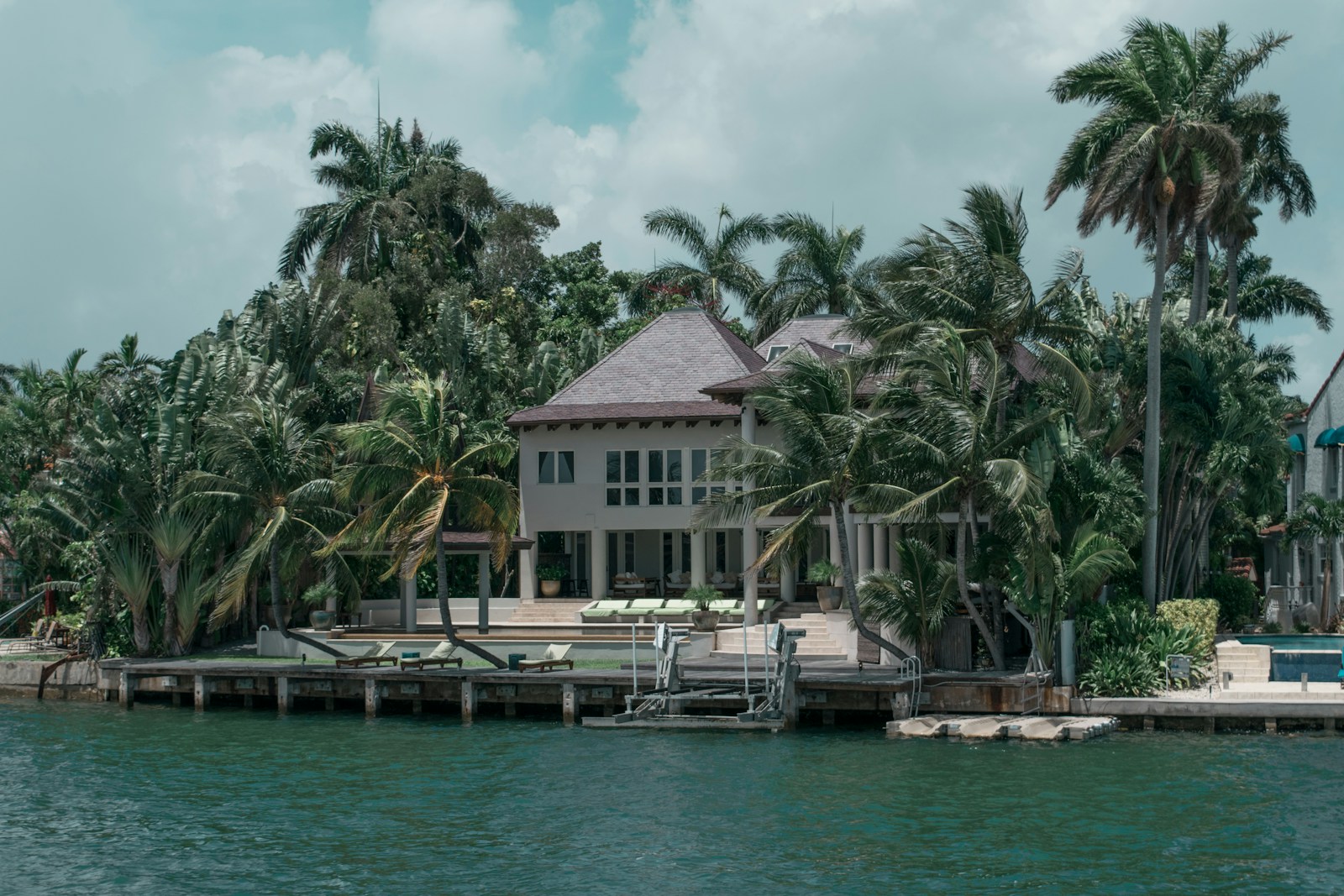
One of the most widely covered climate disasters in America last year killed no one and caused little property damage. However, it captured public attention as a vivid illustration of what climate change can do to individuals and their property in a single day. Over the course of the year, homes in the Carolinas began falling into the Atlantic Ocean.
The problem is not unique to the Carolinas. A bluff collapsed in Rancho Palos Verdes, California, leaving several mansions on the brink, though so far none have fallen into the Pacific.
In 2025, at least 15 houses collapsed into the Atlantic Ocean along North Carolina’s Outer Banks, in the towns of Buxton and Rodanthe on Hatteras Island.
Information on these collapses comes from reliable, publicly reported sources, including official updates from Cape Hatteras National Seashore (a division of the National Park Service) and major news outlets such as The New York Times, CBS, and The Washington Post. Most incidents were covered on the days they occurred between October and December.
The Post provided figures covering a longer period, based on National Park Service data. On October 28, the newspaper reported: “The agency said 27 privately owned houses have collapsed along the Cape Hatteras National Seashore since 2020. But 15 of those happened in the past month alone: one in the town of Rodanthe and the rest in Buxton.”
The Times explained the erosion process: “Most of the houses that collapsed were not built in conditions anything like the ones seen in videos of their demise. Even those that are only a few decades old once stood a respectful distance from the water, hidden behind wide stretches of dunes.”
The homes became more dangerous after collapsing. On October 1, CBS reported that Cape Hatteras National Seashore warned: “Seashore visitors are urged to stay away from the collapsed house sites and to use caution for miles to the south of the sites, due to the presence of potentially hazardous debris.”
All houses that collapsed were unoccupied beachfront homes lost to severe coastal erosion, worsened by offshore hurricanes (including Humberto and Imelda), nor’easters, high tides, and ongoing sea level rise.
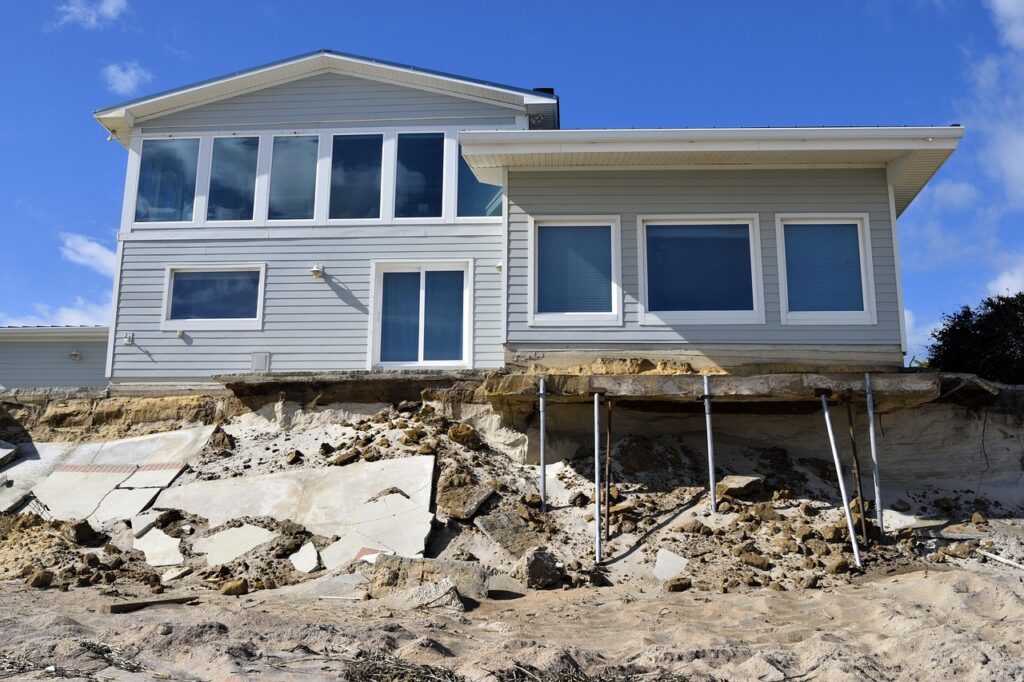
Key Breakdown of Reported Collapses in 2025
September 2025: Multiple events, including 5–6 homes on September 30 in Buxton (due to powerful surf from Hurricanes Imelda and Humberto), plus at least one earlier in the month.
October 2025: Additional collapses, including 5 homes on October 28 in Buxton, and others scattered throughout the month, pushing the monthly total to around 15.
This is part of a larger trend—21–23 homes have been lost in the region since 2020, with a sharp spike in 2024–2025.
These collapses occurred on the Outer Banks, a vulnerable barrier island system where rapid erosion has accelerated due to climate factors. Barrier islands are naturally dynamic and migrate westward over time. Human development, combined with intensified storms and sea level rise, has made collapses more frequent and dramatic.
Inside Climate News reported on the limited options facing property owners: “People can dismantle their homes or relocate them, which is costly and comes with little government support. Or they can wait until the property is swallowed by the sea and claim the insurance money. That option may be better financially for the owners, but it poses environmental, economic and safety issues across the region when debris breaks off into the water and on the beach.”