Regions in the U.S. Where Carbon Emissions are Projected to Plummet
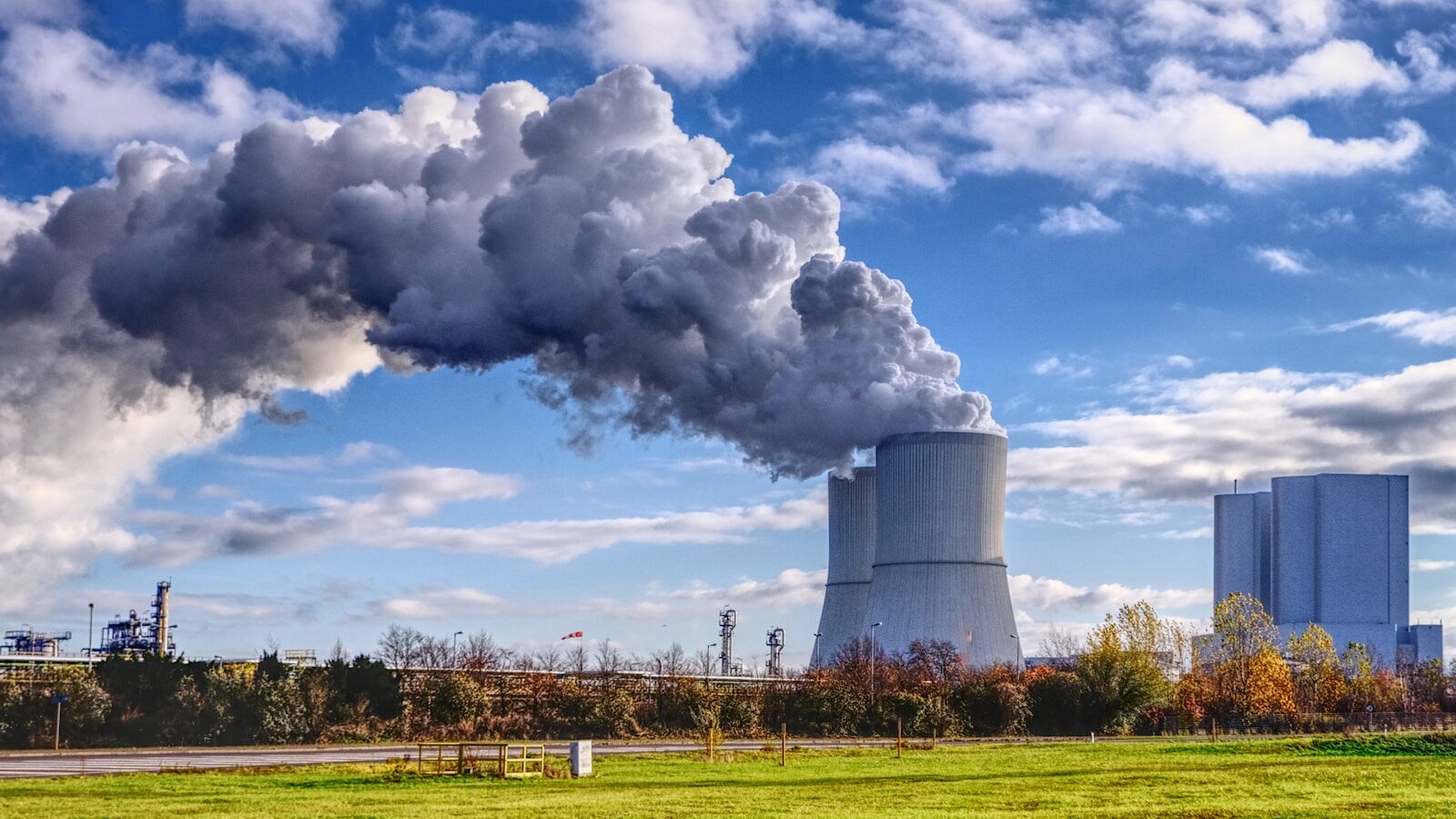
With the largest economy and one of the largest populations, the United States is also among the world’s leading polluters – and a driving force behind the climate change phenomenon. According to data from the World Bank, the United States emitted over 4.6 billion tons of carbon dioxide in 2024 alone, more than every country except China, and nearly double the combined carbon output of all 27 European Union member states.
Even when controlling for population, the United States is still among the top polluters globally. The latest data from the Energy Information Administration shows that the average American has a carbon footprint of about 14 metric tons per year. For comparison, annual carbon emissions per capita worldwide is only about 4.7 tons, according to the World Bank.
While outsized, America’s carbon footprint has been getting smaller in recent years. According to the EIA, per capita carbon dioxide emissions fell by 30% between 2005 and 2023 in the United States. The improvement has been largely due to a shift away from coal, and a growing reliance on cleaner-burning natural gas. Development and deployment of emissions-free energy sources, like wind and solar, have also been a factor.
Encouragingly, these trends are likely to continue in the coming decades. The latest EIA projections indicate that by 2050, per capita carbon emissions will fall 34% nationwide, from 14 metric tons down to 9.2. In some parts of the country, per capita emissions are expected to fall by even more.
Using data from the EIA, Climate Crisis 247 identified the parts of the country where carbon emissions are projected to fall the most in the coming decades. We ranked all nine U.S. Census regions on the projected absolute change in carbon emissions per capita between 2024 and 2050.
Among the nine regions of the United States, carbon emissions per capita are projected to decline between 17% and 44% by mid-century. Such improvements will mean a reduction in carbon pollution by anywhere from 1.9 to 8.3 metric tons per person, per year.
9. Mid-Atlantic Region of the U.S.
- Projected change in carbon dioxide emissions per capita, 2024-2050: -1.9 metric tons (-17.0%)
- Carbon dioxide emissions per capita in 2024: 11.1 metric tons (4th lowest of all 9 U.S. regions)
- Projected carbon dioxide emissions per capita in 2050: 9.2 metric tons (5th lowest of all 9 U.S. regions)
- States in the Mid-Atlantic region: New Jersey, New York, and Pennsylvania
8. Pacific Region of the U.S.
- Projected change in carbon dioxide emissions per capita, 2024-2050: -2.7 metric tons (-29.2%)
- Carbon dioxide emissions per capita in 2024: 9.1 metric tons (the lowest of all 9 U.S. regions)
- Projected carbon dioxide emissions per capita in 2050: 6.5 metric tons (2nd lowest of all 9 U.S. regions)
- States in the Pacific region: Alaska, California, Hawaii, Oregon, and Washington
7. New England Region of the U.S.
- Projected change in carbon dioxide emissions per capita, 2024-2050: -3.0 metric tons (-31.4%)
- Carbon dioxide emissions per capita in 2024: 9.5 metric tons (2nd lowest of all 9 U.S. regions)
- Projected carbon dioxide emissions per capita in 2050: 6.5 metric tons (3rd lowest of all 9 U.S. regions)
- States in the New England region: Connecticut, Maine, Massachusetts, New Hampshire, Rhode Island, and Vermont
6. East North Central Region of the U.S.
- Projected change in carbon dioxide emissions per capita, 2024-2050: -4.7 metric tons (-31.0%)
- Carbon dioxide emissions per capita in 2024: 15.1 metric tons (5th lowest of all 9 U.S. regions)
- Projected carbon dioxide emissions per capita in 2050: 10.4 metric tons (4th highest of all 9 U.S. regions)
- States in the East North Central region: Illinois, Indiana, Michigan, Ohio, and Wisconsin
5. South Atlantic Region of the U.S.
- Projected change in carbon dioxide emissions per capita, 2024-2050: -4.8 metric tons (-44.1%)
- Carbon dioxide emissions per capita in 2024: 10.8 metric tons (3rd lowest of all 9 U.S. regions)
- Projected carbon dioxide emissions per capita in 2050: 6.0 metric tons (the lowest of all 9 U.S. regions)
- States in the South Atlantic region: Delaware, Florida, Georgia, Maryland, North Carolina, South Carolina, Virginia, and West Virginia
4. Mountain Region of the U.S.
- Projected change in carbon dioxide emissions per capita, 2024-2050: -6.7 metric tons (-43.7%)
- Carbon dioxide emissions per capita in 2024: 15.2 metric tons (4th highest of all 9 U.S. regions)
- Projected carbon dioxide emissions per capita in 2050: 8.6 metric tons (4th lowest of all 9 U.S. regions)
- States in the Mountain region: Arizona, Colorado, Idaho, Montana, Nevada, New Mexico, Utah, and Wyoming
3. West South Central Region of the U.S.
- Projected change in carbon dioxide emissions per capita, 2024-2050: -7.1 metric tons (-31.3%)
- Carbon dioxide emissions per capita in 2024: 22.7 metric tons (the highest of all 9 U.S. regions)
- Projected carbon dioxide emissions per capita in 2050: 15.6 metric tons (the highest of all 9 U.S. regions)
- States in the West South Central region: Arkansas, Louisiana, Oklahoma, and Texas
2. West North Central Region of the U.S.
- Projected change in carbon dioxide emissions per capita, 2024-2050: -7.7 metric tons (-39.8%)
- Carbon dioxide emissions per capita in 2024: 19.4 metric tons (2nd highest of all 9 U.S. regions)
- Projected carbon dioxide emissions per capita in 2050: 11.7 metric tons (2nd highest of all 9 U.S. regions)
- States in the West North Central region: Iowa, Kansas, Minnesota, Missouri, Nebraska, North Dakota, and South Dakota
1. East South Central Region of the U.S.
- Projected change in carbon dioxide emissions per capita, 2024-2050: -8.3 metric tons (-44.3%)
- Carbon dioxide emissions per capita in 2024: 18.8 metric tons (3rd highest of all 9 U.S. regions)
- Projected carbon dioxide emissions per capita in 2050: 10.5 metric tons (3rd highest of all 9 U.S. regions)
- States in the East South Central region: Alabama, Kentucky, Mississippi, and Tennessee
More from ClimateCrisis 247
- Cities Where Americans Have the Highest Water Bills
- New Documents Add to Evidence in Climate Deception Case Against ExxonMobil
- The 10 Most Sustainable Countries In The World
- States Where Tax Payers Will Pay The Most for Rising Sea Levels