These 15 American Cities Are Projected To Undergo ‘Biome Change’ by 2080
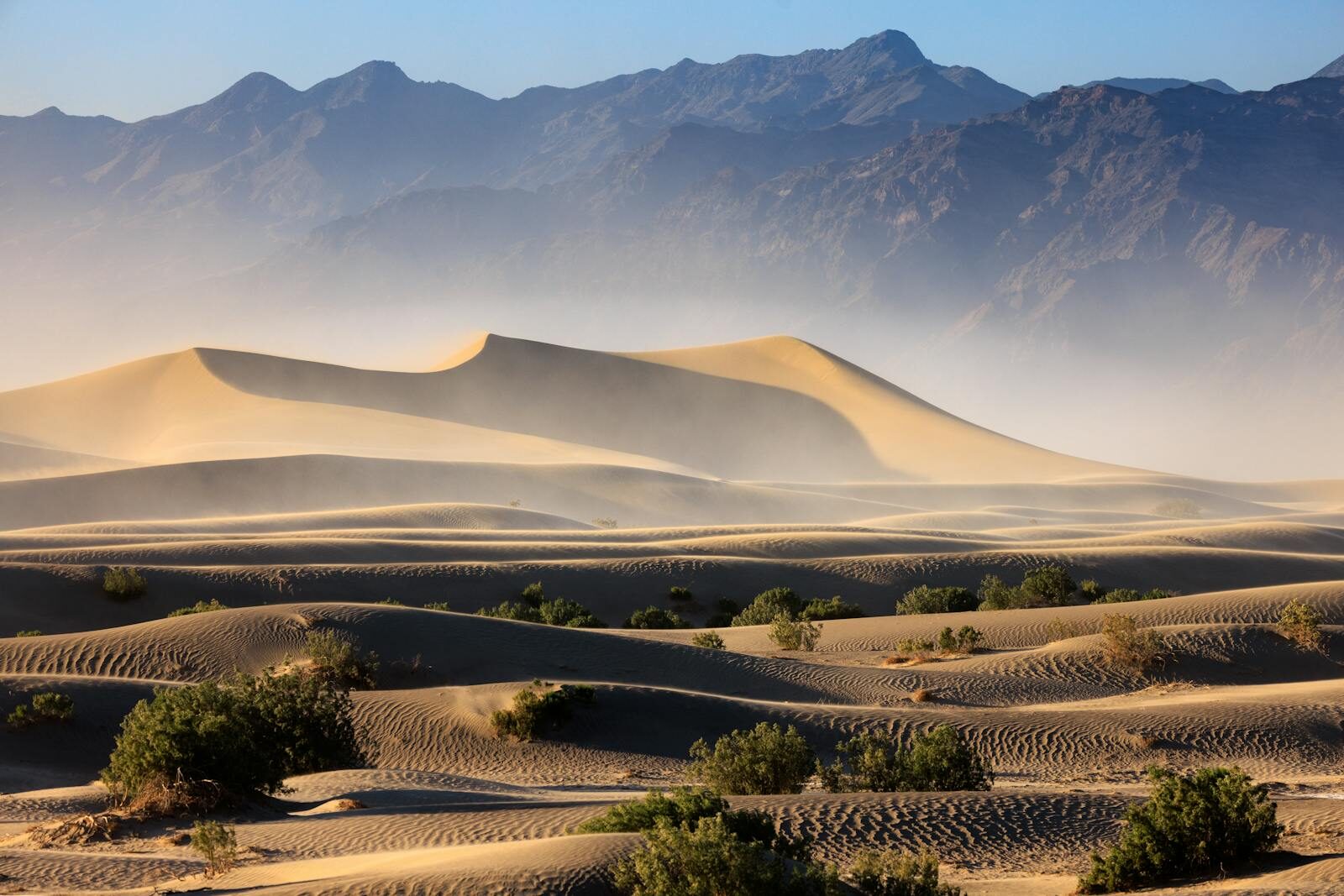
In a recent study in PeerJ, scientists with the Open Earth Monitor Cyberinfrastructure project harnessed high-resolution datasets and machine learning models to forecast how natural vegetation zones – or biomes – are projected to shift by 2080 under various climate scenarios.
Research results show that the distribution of biomes in the United States will undergo major shifts in the coming decades. The central United States will turn warmer and more arid, with the cool mixed forests in states like Minnesota and Wisconsin giving way to the dry, grassy steppe of the Great Plains states. Steppe landscapes are forecast to spread the fastest, while evergreen needleleaf forests and temperate deciduous broadleaf forests will contract considerably.
By century’s end, many of the country’s most populous metro areas – including Reno, Los Angeles, and Seattle – will completely transition to new biome types. Evergreen forests will turn to steppe, while steppe will turn to desert. A closer look at the data reveals the cities projected to undergo the greatest biome transformations in the next 50 years.
To determine the cities with changing biomes, Climate Crisis 247 reviewed spatial data from the April 2023 paper Current and future global distribution of potential biomes under climate change scenarios, published in PeerJ. Cities were ranked based on the degree of change from dominant biome type from a 1979-2013 baseline to a forecasted 2061-2080 scenario, based on the BIOME 6000 classification scheme. Forecast changes to biome landscape classification are based on RCP 8.5 scenario, or high emissions. Analysis was done in QGIS using raster data and zonal statistics. Only cities with at least 250,000 residents were considered.
15. Louisville, KY
- Current biome classification: Temperate deciduous broadleaf forest
- Projected biome classification, 2061-2080: Warm-temperate evergreen broadleaf and mixed forest
- Current population: 629,176
14. Nashville, TN
- Current biome classification: Temperate deciduous broadleaf forest
- Projected biome classification, 2061-2080: Warm-temperate evergreen broadleaf and mixed forest
- Current population: 684,103
13. Buffalo, NY
- Current biome classification: Cool mixed forest
- Projected biome classification, 2061-2080: Temperate deciduous broadleaf forest
- Current population: 276,688
12. Corpus Christi, TX
- Current biome classification: Warm-temperate evergreen broadleaf and mixed forest
- Projected biome classification, 2061-2080: Steppe
- Current population: 317,804
11. Cleveland, OH
- Current biome classification: Cool mixed forest
- Projected biome classification, 2061-2080: Temperate deciduous broadleaf forest
- Current population: 370,365
10. Boston, MA
- Current biome classification: Cool mixed forest
- Projected biome classification, 2061-2080: Temperate deciduous broadleaf forest
- Current population: 665,945
9. San Antonio, TX
- Current biome classification: Steppe
- Projected biome classification, 2061-2080: Warm-temperate evergreen broadleaf and mixed forest
- Current population: 1,445,662
8. Irvine, CA
- Current biome classification: Xerophytic woods/scrub
- Projected biome classification, 2061-2080: Steppe
- Current population: 304,527
7. Santa Ana, CA
- Current biome classification: Xerophytic woods/scrub
- Projected biome classification, 2061-2080: Steppe
- Current population: 311,379
6. Anaheim, CA
- Current biome classification: Xerophytic woods/scrub
- Projected biome classification, 2061-2080: Steppe
- Current population: 347,111
5. Long Beach, CA
- Current biome classification: Xerophytic woods/scrub
- Projected biome classification, 2061-2080: Steppe
- Current population: 462,293
4. Sacramento, CA
- Current biome classification: Xerophytic woods/scrub
- Projected biome classification, 2061-2080: Steppe
- Current population: 523,600
3. Los Angeles, CA
- Current biome classification: Xerophytic woods/scrub
- Projected biome classification, 2061-2080: Steppe
- Current population: 3,881,041
2. Portland, OR
- Current biome classification: Cool evergreen needleleaf forest
- Projected biome classification, 2061-2080: Warm-temperate evergreen broadleaf and mixed forest
- Current population: 646,101
1. Seattle, WA
- Current biome classification: Cool evergreen needleleaf forest
- Projected biome classification, 2061-2080: Warm-temperate evergreen broadleaf and mixed forest
- Current population: 734,603
More from ClimateCrisis 247
- Cities Where Americans Have the Highest Water Bills
- New Documents Add to Evidence in Climate Deception Case Against ExxonMobil
- The 10 Most Sustainable Countries In The World
- States Where Tax Payers Will Pay The Most for Rising Sea Levels