Hottest Days in Greenland’s History
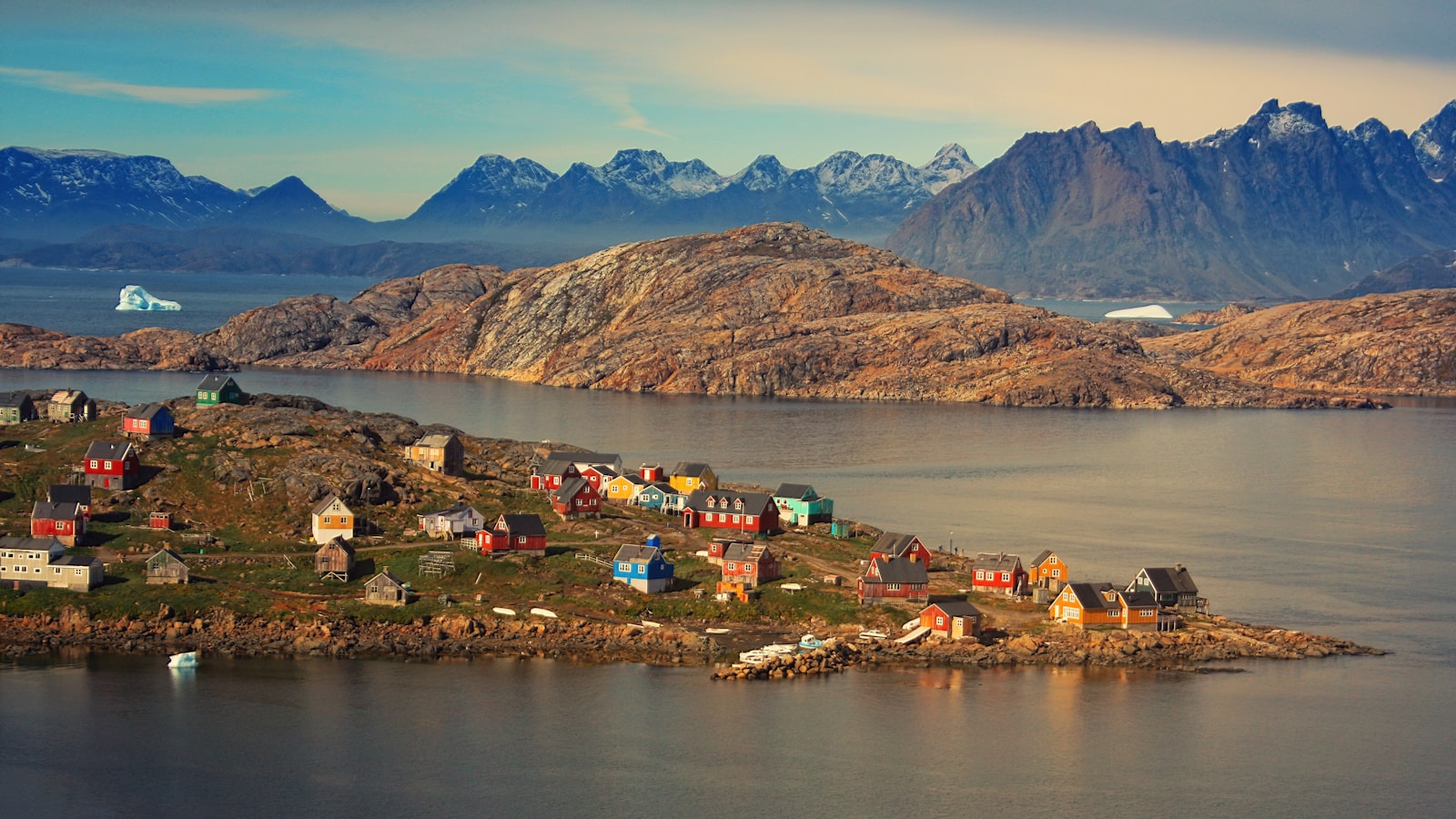
According to The Washington Post, as Greenland’s ice melts, the territory becomes more valuable to Donald Trump should he engineer a takeover. The trends are in his favor. According to NAU (Northern Arizona University), the Arctic region is warming faster than the rest of the world. Regents’ Professor of Ecosystem Ecology Ted Schuur of Northern Arizona University commented, “The Arctic seas have already become unrecognizable. The amount of ice we’re left with at the end of the summer keeps declining over time. Soon enough, summer ice could become a thing of the past.”
The Post points out that less ice coverage in Greenland works in Donald Trump’s favor. Arctic sea ice typically peaks in March, as ice forms and spreads through the depth of winter, before beginning to melt to its lowest extent, usually in September. Over approximately the past five decades, changes in Arctic ice cover have revealed new pathways for shipping and commerce, as parts of the region stay ice-free for longer periods. Some of the world’s shipping lanes no longer need to route through the Suez or Panama Canals, each of which has problems of its own. Drought has slowed the pace at which ships can move through the Panama Canal, while Houthi rebel attacks have made access to the Suez Canal dangerous.
Melting ice in Greenland also makes it easier to access valuable minerals. CNBC reports that these materials include rare earth metals, graphite, niobium, platinum group metals, molybdenum, tantalum, and titanium. Greenland is also known to have significant lithium, hafnium, uranium, and gold deposits.
The coldest days in Greenland are barely survivable for humans but are becoming fewer and farther between. Extremely cold days can reach temperatures of -50°F. The coldest day in Greenland’s history recorded a temperature of -93.3°F on December 22, 1991, according to the World Meteorological Organization.
Warm days in Greenland have occasionally become spring-like. While rare, several days have seen temperatures exceed 70°F.
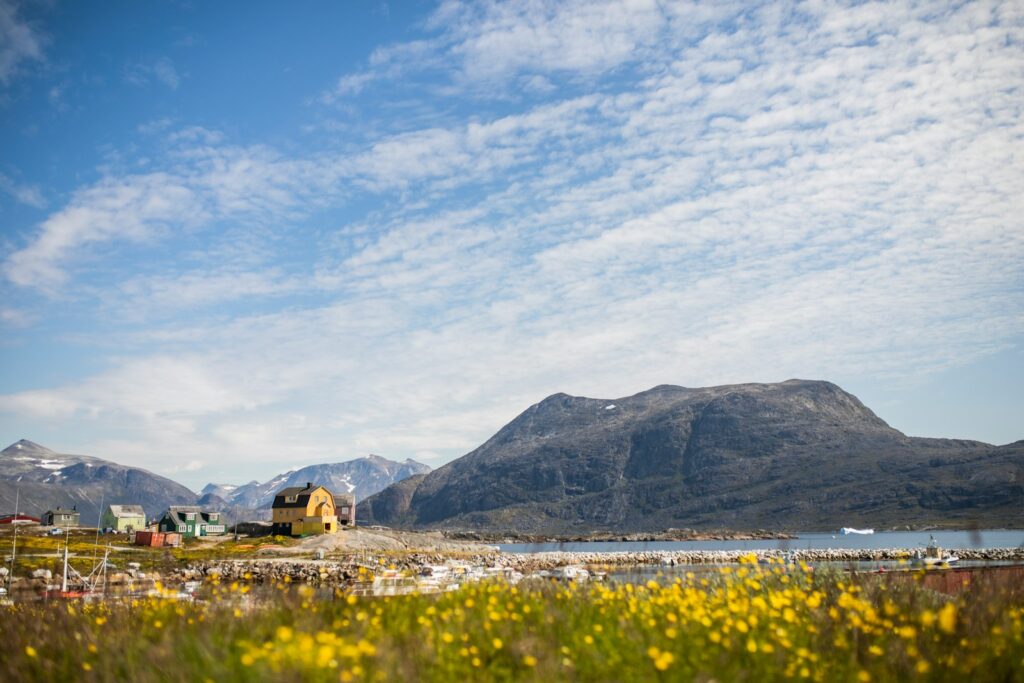
The DMI (Denmark Meteorological Institute) is Denmark’s weather collection organization. To determine the warmest days in Greenland’s history, Climatecrisis24 used its data (“Greenland – DMI Historical Climate Data Collection”) and the NOAA’s Arctic Report Card.
This is a ranking of the hottest recorded temperatures from Greenland settlements and weather stations. Most of the confirmed modern highs come from southern and coastal locations due to milder maritime influences. As NOAA has pointed out, ocean temperatures greatly affect temperatures along Greenland’s coast: “Because so many of Greenland’s glaciers reach the ocean and sit in hundreds of meters of water, they can be directly influenced by ocean conditions.”
- Maniitsoq (Southwest coast) — 78.6°F on July 30, 2013 — Greenland’s official modern all-time high, aided by foehn winds
- Nuuk (Capital, southwest coast) — 79.3°F on July 6, 2008
- Narsarsuaq (Southern fjord area) — 76.6°F in May 2012; summer peaks sometimes top 70.0°F
- Tasiilaq (East coast) — 77.4°F in August 1899
- Kangerlussuaq (Inland southwest) — 77.9°F on July 27, 1990
- Qaqortoq/Nanortalik (Far south) — Temperatures have topped 70.0°F
Southern Greenland (around Narsarsuaq, Qaqortoq, and Maniitsoq) consistently ranks as the warmest region. The area has a significant number of forests. Northern and inland ice sheet areas stay much colder. All of these locations have small populations—only three cities in Greenland have populations over 5,000.
Although the Trump Administration likely has limited interest in Greenland’s agriculture, warmer weather will transform that sector of the local economy. According to Good Nature, research shows that in the not-too-distant future, climate change could melt the edges of Greenland’s ice sheet, opening up fertile soil for new seeds and plants to take hold. Greenland will become more green.
Finally, Greenland is likely to warm even faster in the future. Temperatures could be 10.0°F warmer by 2100 than they are now. According to the International Arctic Research Center, “Greenland is likely to warm 7.2 to 11.9 degrees by the year 2100.”
More from ClimateCrisis 247
- Cities Where Americans Have the Highest Water Bills
- New Documents Add to Evidence in Climate Deception Case Against ExxonMobil
- The 10 Most Sustainable Countries In The World
- States Where Tax Payers Will Pay The Most for Rising Sea Levels